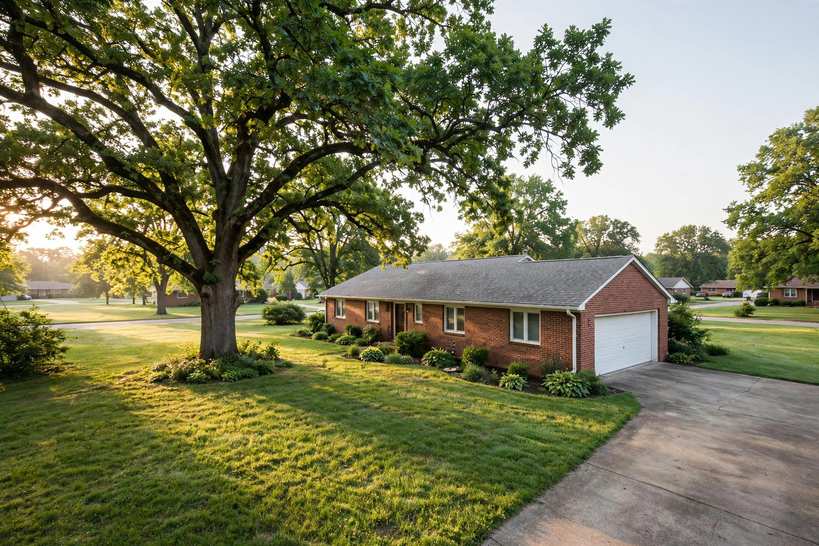
For homes
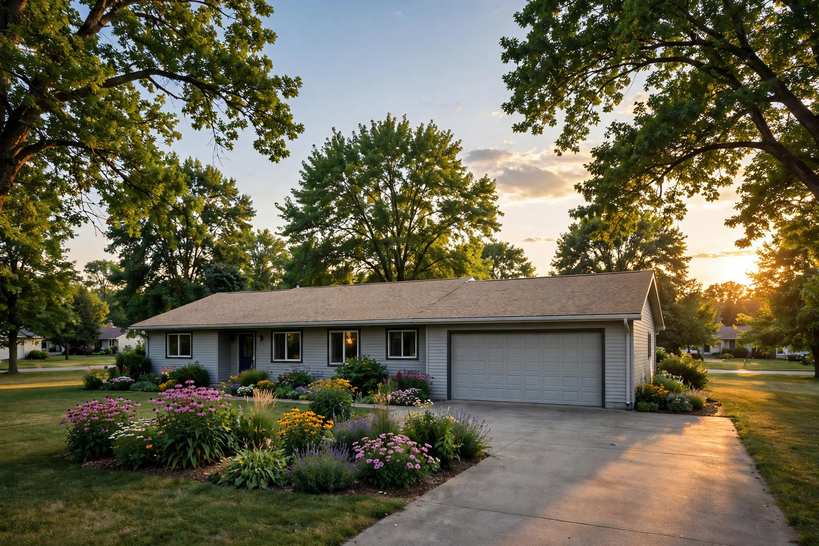
Open roofs are covered and leaks are traced in houses. A plain explanation comes before any repair starts.
- Ceiling stains after a storm
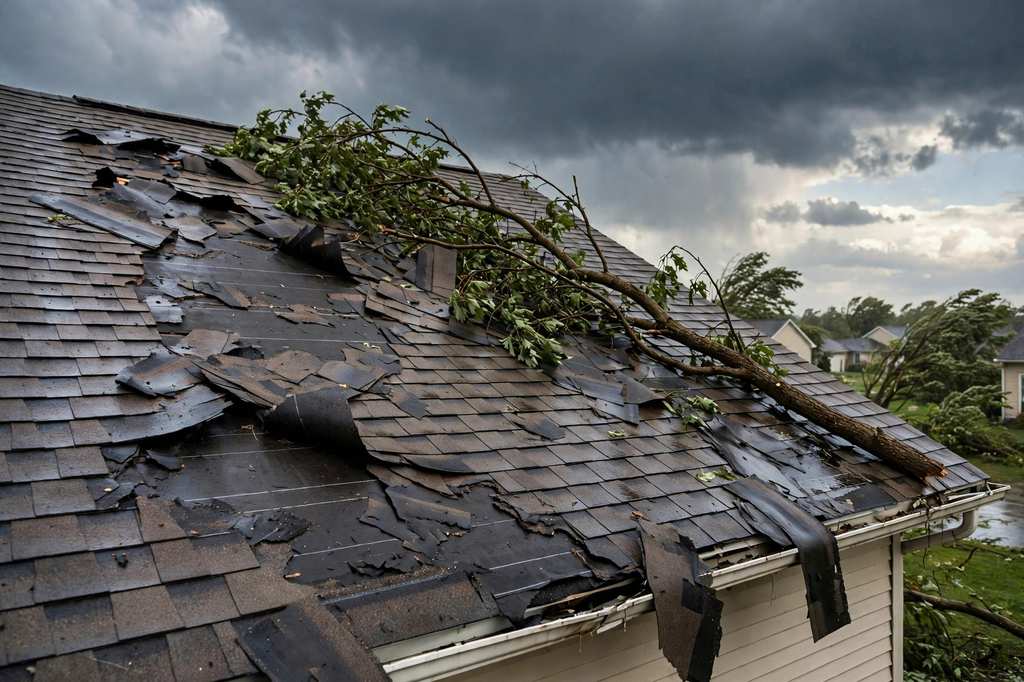
- Missing shingles in high wind
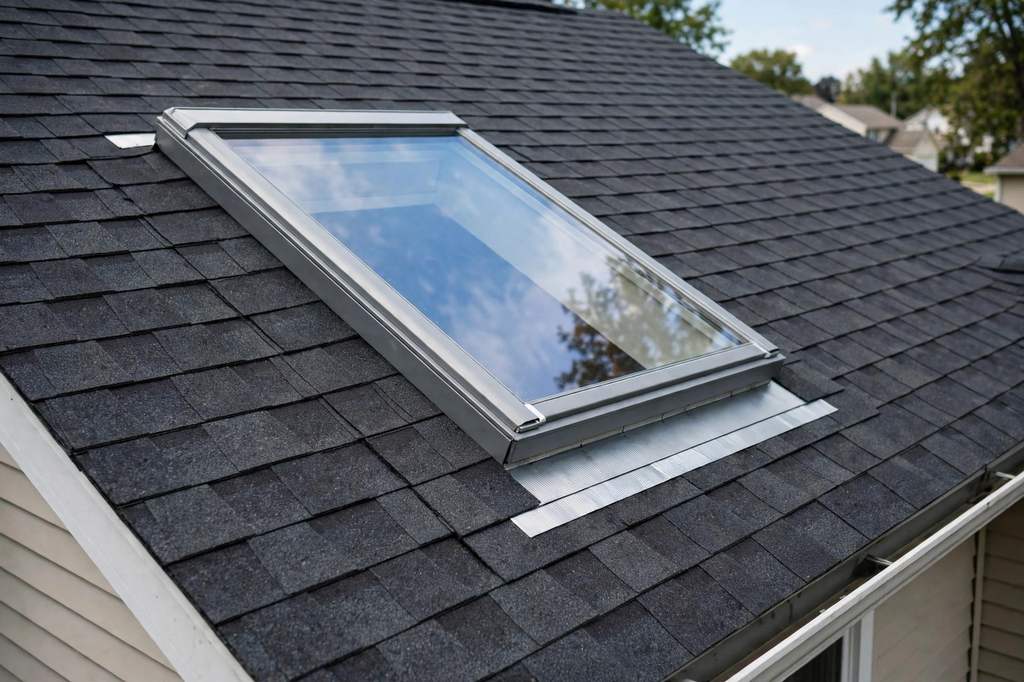
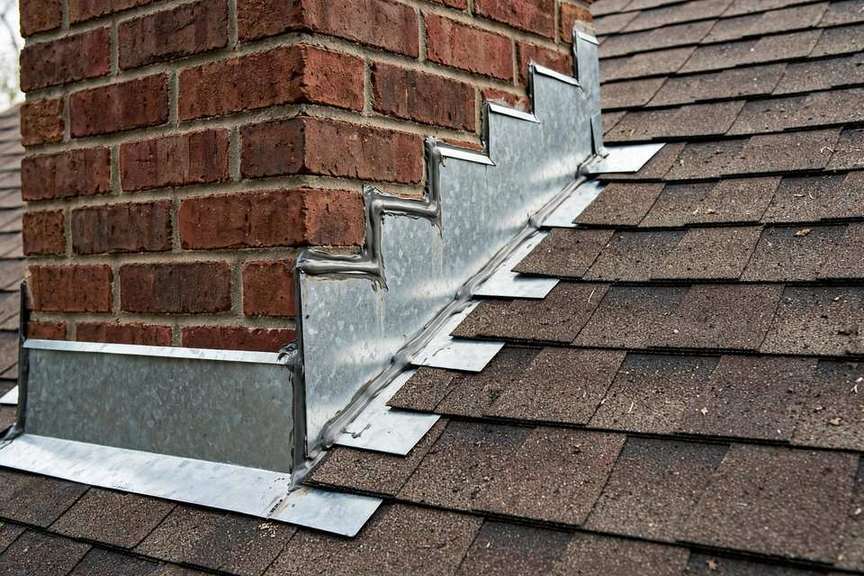
- Skylight or chimney leaks
Emergency roof repair Urbandale homeowners need starts with a call describing what is visible: a storm breach, missing shingles, or water running down a ceiling. This page explains what emergency repair involves — tarping as a concept, leak tracing, and storm damage documentation — without promising arrival times or outcomes. The listed hours are Open 24 hours, every day. Call (641) 219-5108 to describe what you see.
 Leak tracedTarp securedRepair matched
An emergency visit covers a diagnosis, a tarp where the roof is open, and a repair at the failed joint. Here is what that work consists of, and what is described separately in the written scope if the damage turns out bigger than it looked.
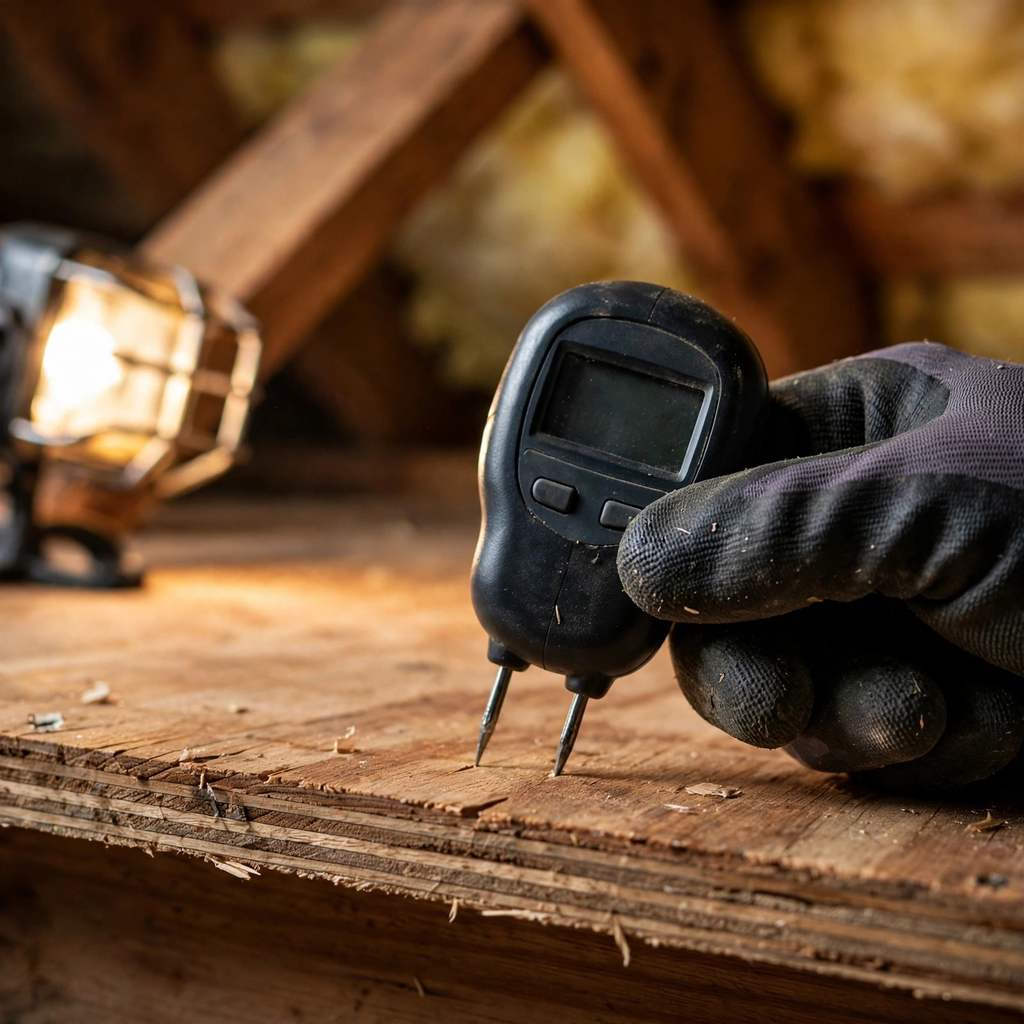
The roof and the attic are walked, a moisture meter runs on the sheathing, and the water is traced to its actual entry point. A plain explanation of what failed comes before the scope for the fix.
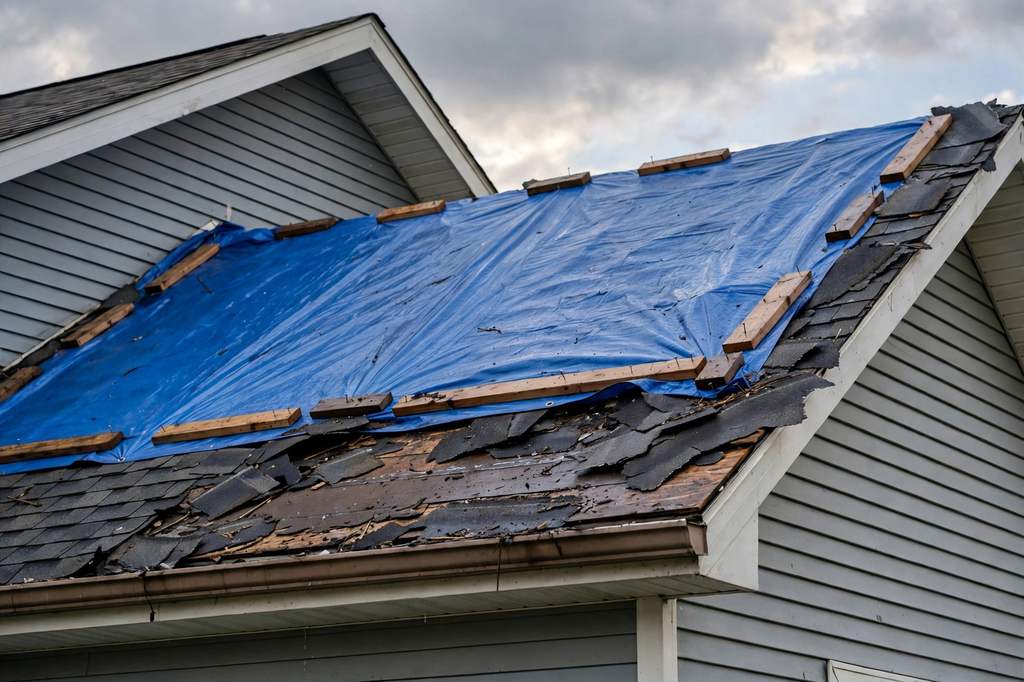
Where the roof is open or the leak is active, a tarp secured with battens covers the breach. A battened tarp stays in place through the next round of weather, unlike a sheet laid loose. Tarping is described here as a concept; no arrival or timing promise is made on this page.
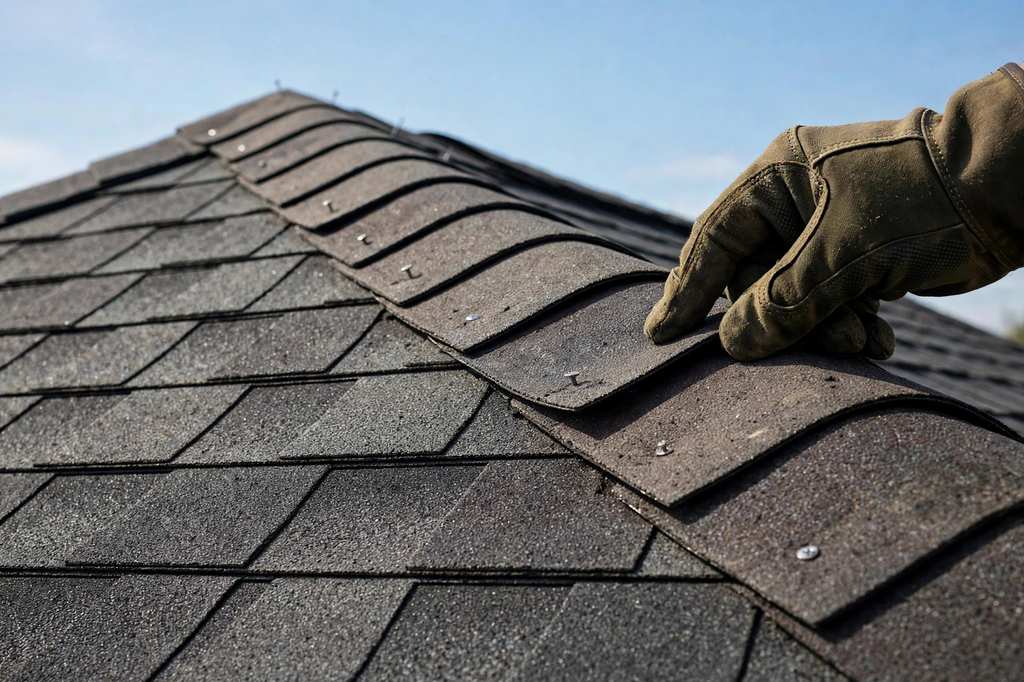
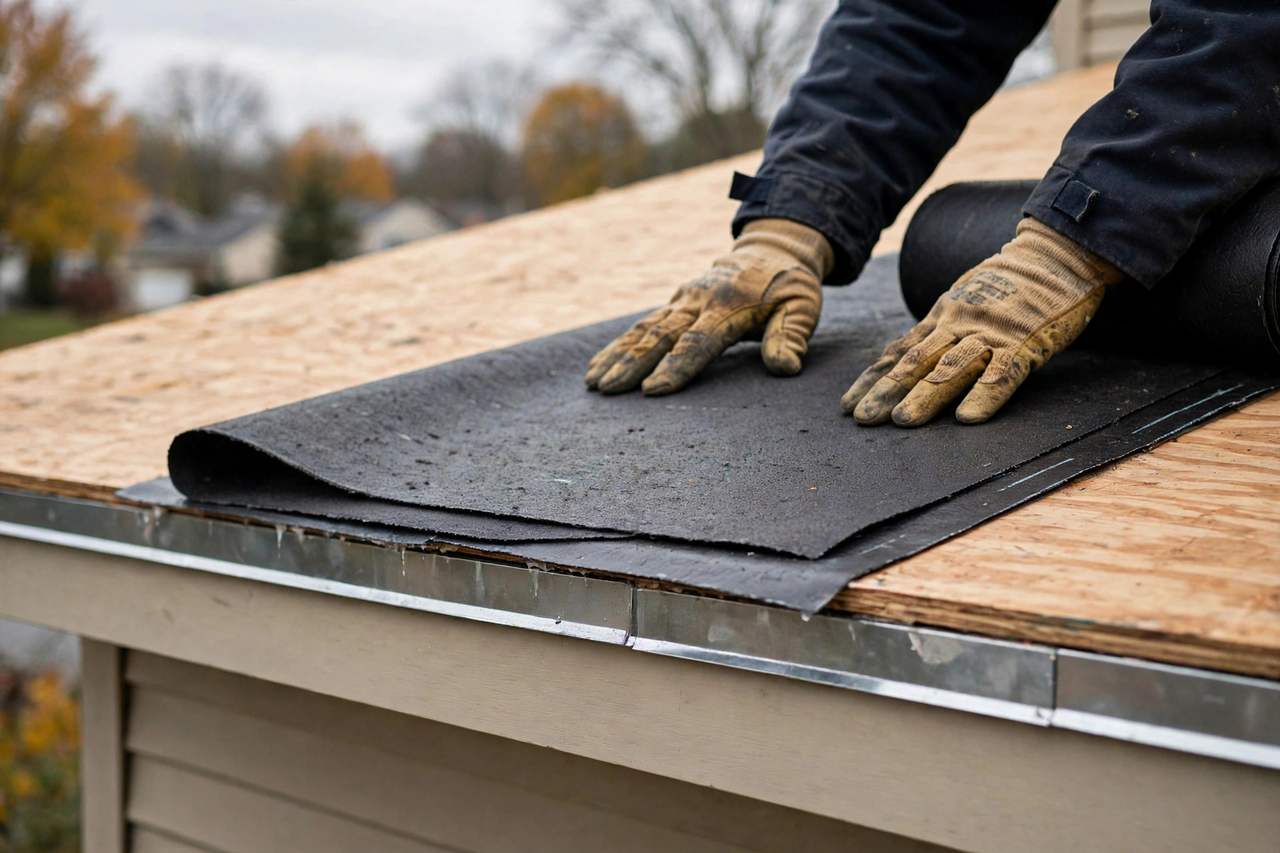
Damaged shingles are replaced, failed flashing is rebuilt, and penetrations are resealed with ice and water shield and underlayment. The repair is selected to blend with the existing roof as closely as materials allow.
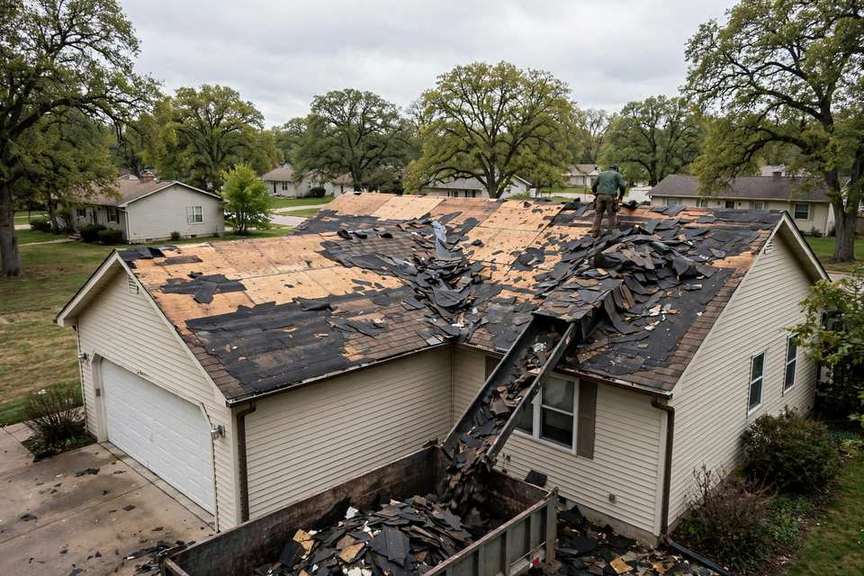
Gutters are cleared of shingle debris knocked loose, the yard is swept, and old material is hauled away.
Every emergency job gets a photo record of the damage and the repair. That record goes to you for your files and for your insurer. Check your policy, agent, or carrier for coverage questions; this is not insurance advice.
The approach is the same for a home and a business. What changes is the access, the schedule, and who needs the paperwork.
Open roofs are covered and leaks are traced in houses. A plain explanation comes before any repair starts.
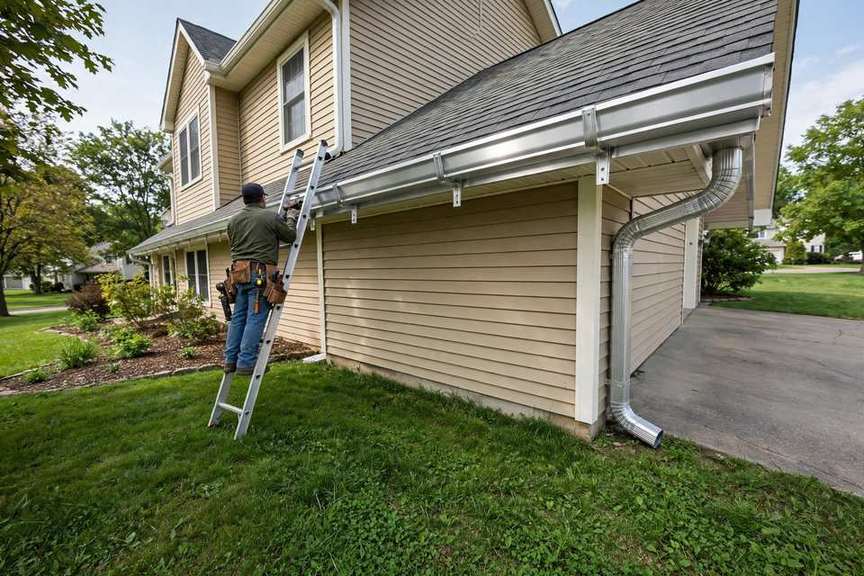
Roofs over storefronts and offices are repaired with photo reports for the file.
A plain-language look at what emergency roof repair involves and when it is needed.
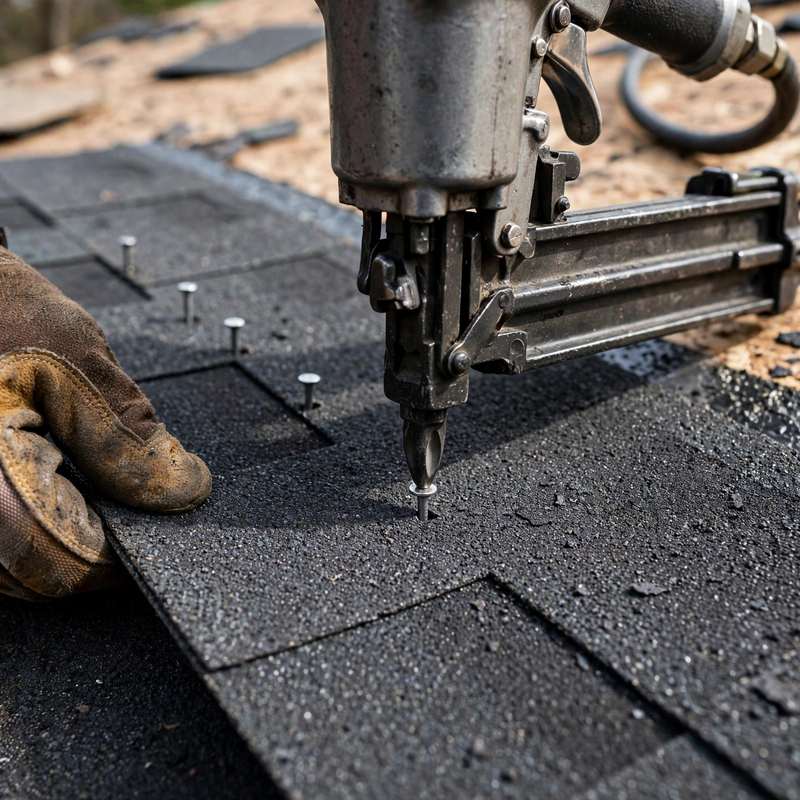
See how it worksEmergency roof repair in Urbandale is the urgent work that addresses an active roof failure: a tarp over an open deck, a moisture meter reading on wet sheathing, and a repair to the flashing, shingle field, or vent that let the water in. The tools involved are a roofing hammer, pry bar, shingle cutter, and roofing nail gun. No response time, arrival window, or dispatch promise is made on this page; the listed hours are Open 24 hours, every day, and the call describes what is visible so the visit can be scoped.
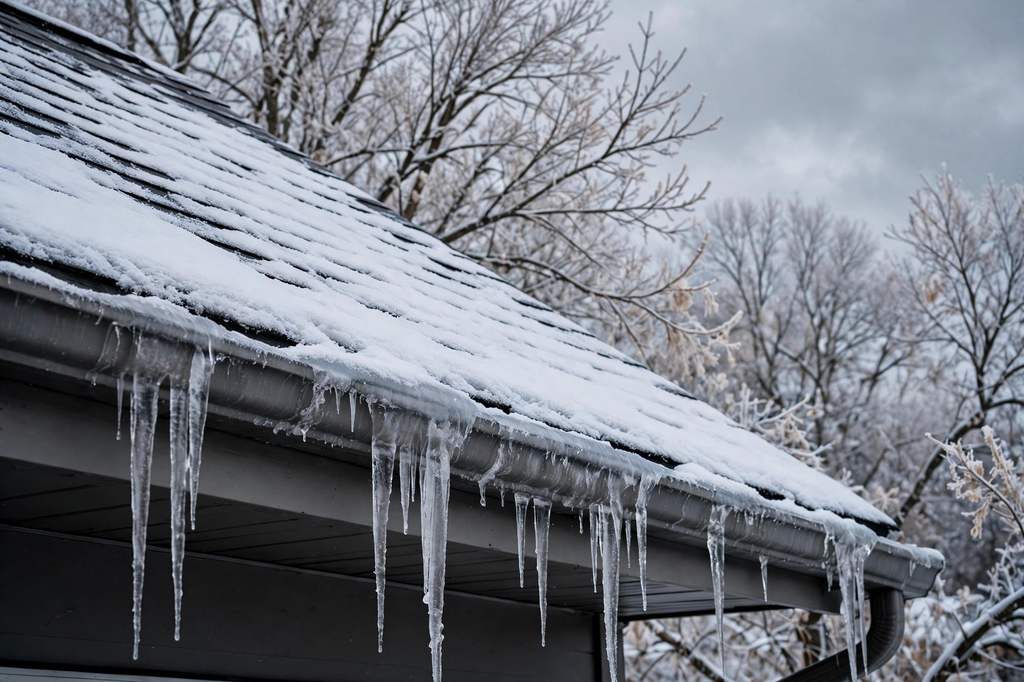
Urbandale roofs take a beating from hail, straight-line wind, and winter ice dams. The leaking roof post covers the first steps when water is coming in, and the wind damage post describes what to look for after a storm. Documentation guidance is on this page: photograph the damage safely from the ground, note when it started, and keep the record for your insurer.
A roof emergency is a race against the next rain, and the fix starts with finding the real leak.
Here is how an emergency roof repair call runs, from the first call to the final walk-around. No timing promise is made at any step.
Call (641) 219-5108 and describe what you see: a stain, a missing shingle, water on the floor. Questions follow to size the problem, and guidance covers what to do while waiting. The listed hours are Open 24 hours, every day.
The roof is walked and the attic is checked. A moisture meter runs on the sheathing and the actual entry point is looked for, not just the stain. A plain-English explanation of what failed and what it takes to fix it comes before any shingle is touched.
If the roof is open or the leak is active, a tarp covers the breach first. That protects the home from the next rain while materials are sourced or a break in the weather arrives. The tarp is secured with battens, not just tossed on.
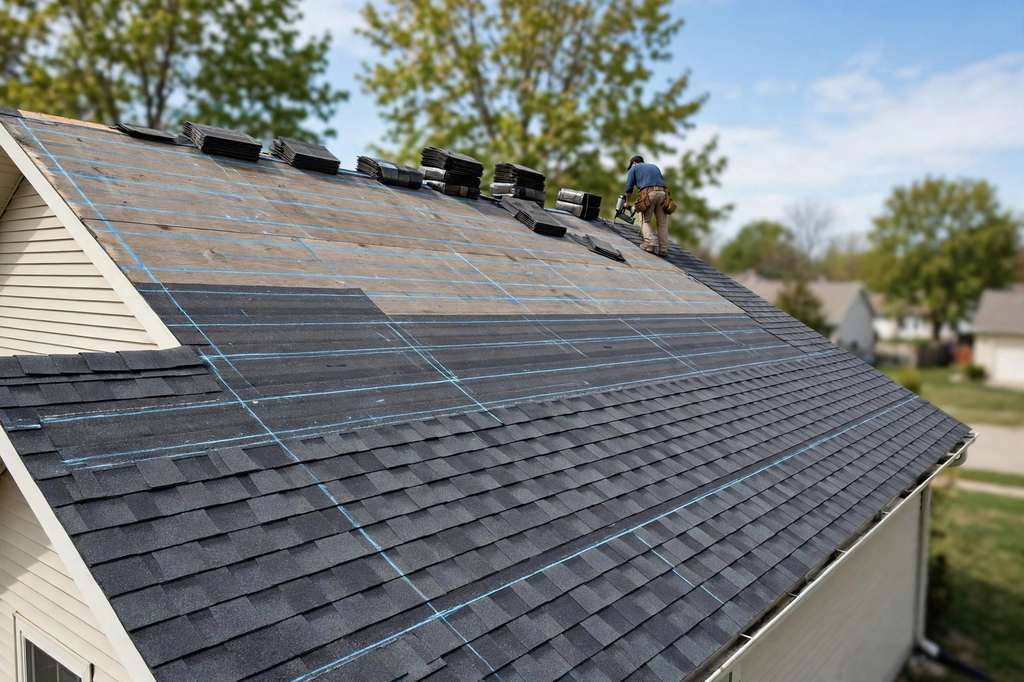
Damaged shingles are replaced, flashing is repaired or rebuilt, and penetrations are sealed with ice and water shield and underlayment. Gutters are cleared of debris knocked loose and old material is hauled away.
Before leaving, the roof is walked together or photos are sent, what was fixed is explained, and a written summary is shared. If a bigger issue shows, like curling shingles across the whole field, it is stated plainly with options.
Move across a circle, or focus it and press Enter, for an illustrative thermal view of the photograph.
Reads moisture in the sheathing and insulation so the real leak source is found instead of guessing at the stain.

Drives nails to the correct depth and pattern for a repair that holds in high wind.
Lifts and trims shingles cleanly so the repair blends into the existing field without tearing surrounding material.
Marks accurate cut lines for flashing and underlayment so the repair is square and sealed.
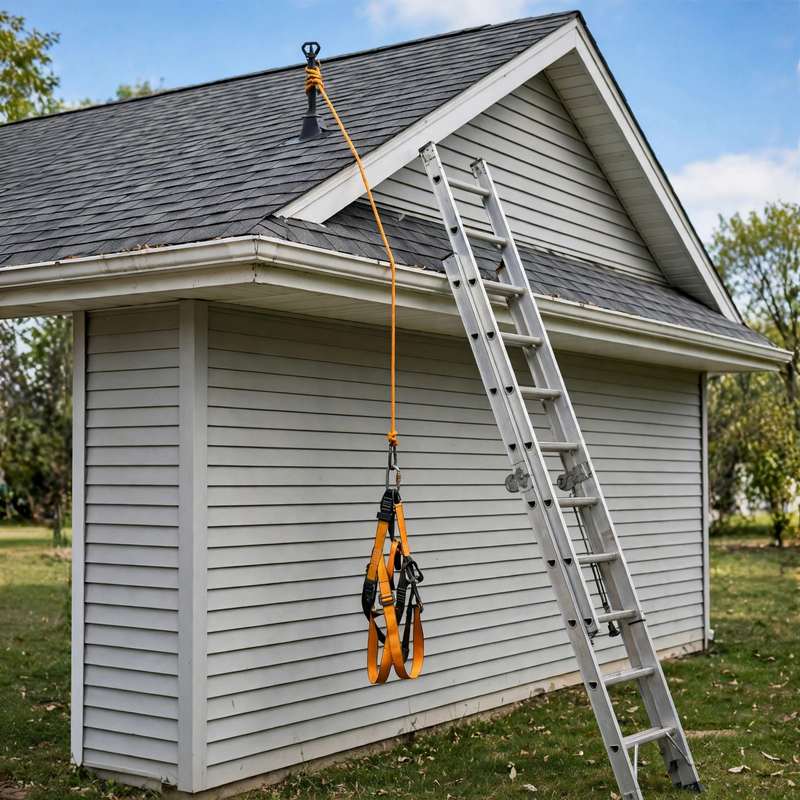
Gets the crew on steep pitches safely, which matters on two-story homes and after dark.
Thermal views are illustrative, generated from the photographs.
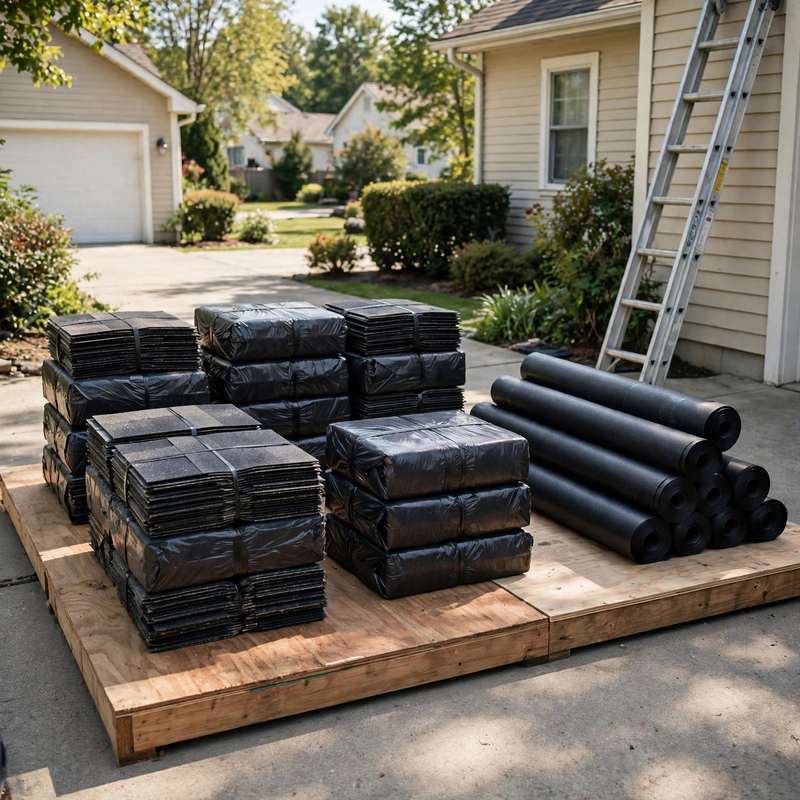
Ice and water shield runs under flashing and at the eaves, where ice dams and wind-driven rain do the most damage. It is the layer that keeps a small flashing failure from becoming a ceiling leak.
Before a repair is scoped, the attic is entered and the water path is followed. Water travels along framing, so the entry point is often feet from the stain. Tracing it avoids paying for the wrong repair.
Shingles are selected to blend with the existing roof so the repair sits well in the field. When a close blend is not available, that is stated before work starts. No brand is named on this site.
Every emergency job gets before-and-after photos. That record is kept for your files and for your insurer, and it shows clearly what was fixed.
A storm just took shingles off and rain is coming tonight
The open area is covered with a battened tarp and the permanent repair is scoped. The tarp holds through the next rain while the repair is arranged.
Outcome: The attic is protected from the next rain, and the repair scope is written with photos.
Water is dripping through a ceiling light fixture
It is treated as an active leak: covered if needed, and the source is traced. Power to that fixture is shut off before anyone arrives, if it can be reached safely.
Outcome: The leak is traced to its source, the ceiling is opened and dried, and the repair is made at the source, not just the stain.
Hail just hit and it is not clear if the roof is damaged
The roof is inspected for hail hits, the hits are documented with photos, and the findings are stated plainly: whether it is a repair, and what the documentation shows for the insurer's file. No pressure either way.
Outcome: A clear picture of the damage and a documented record for the file.
A commercial building has water coming in over a tenant space
The roof is covered and repaired, and the photo report goes to you for your records and for your insurer.
Outcome: The tenant space is protected, the business stays open, and the repair is documented with photos.
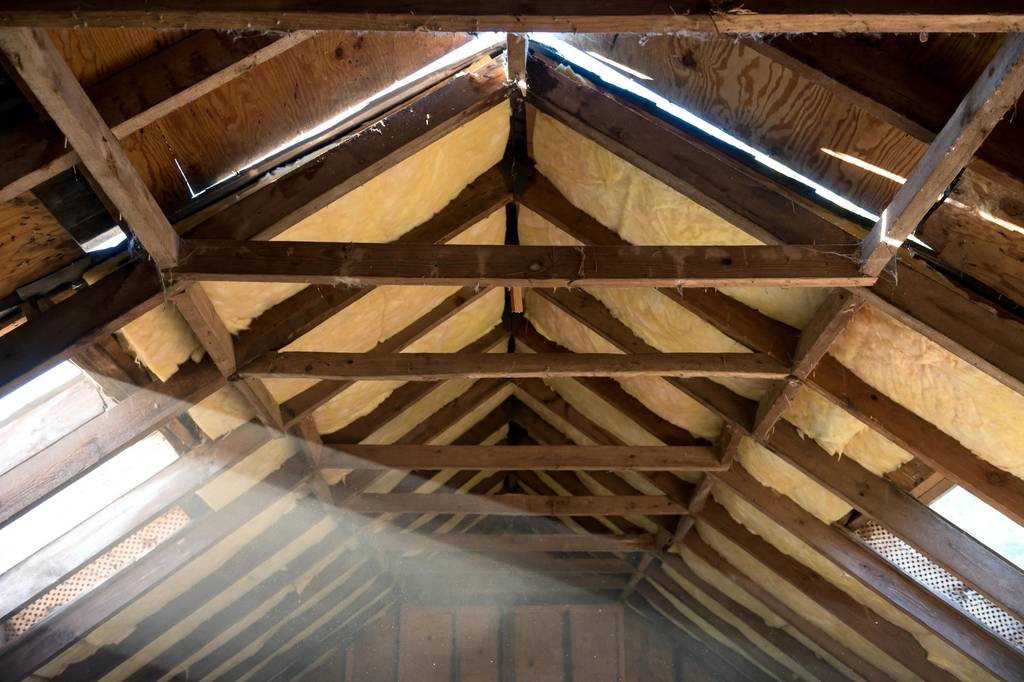
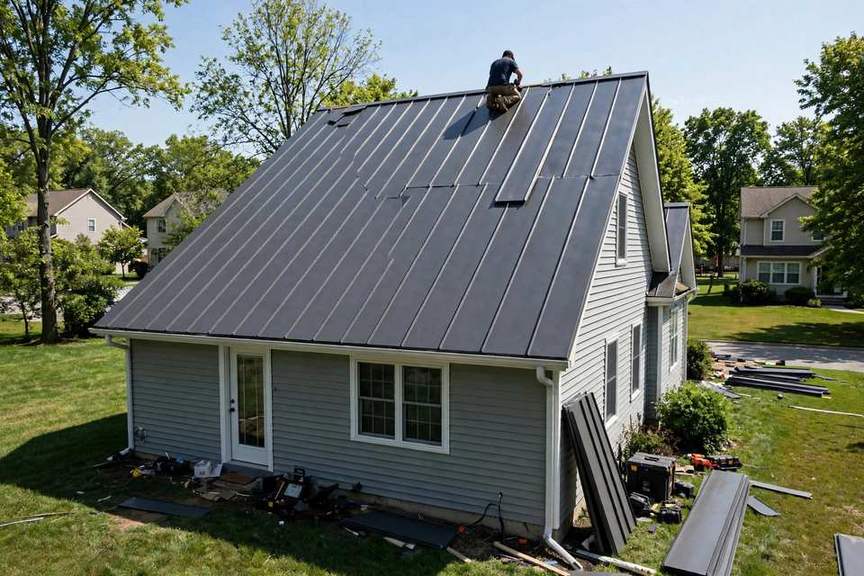
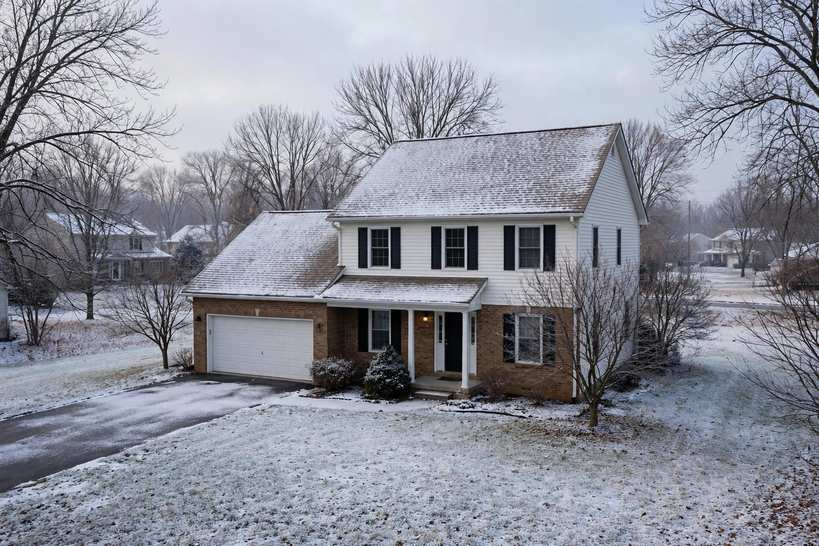
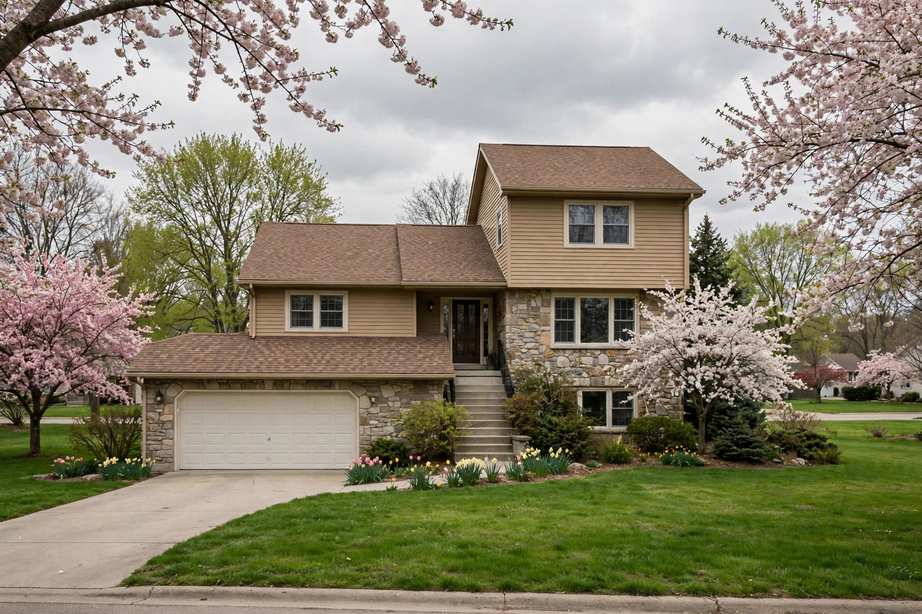
Urbandale roofs face a specific mix of weather: spring hail, summer straight-line wind, and winter ice dams. The roof styles vary block by block. Older homes often have aging asphalt shingles and original flashing, which fail first. Newer builds may have standing seam metal or architectural shingles that take damage differently. Call (641) 219-5108 to describe what is visible; the listed hours are Open 24 hours, every day.
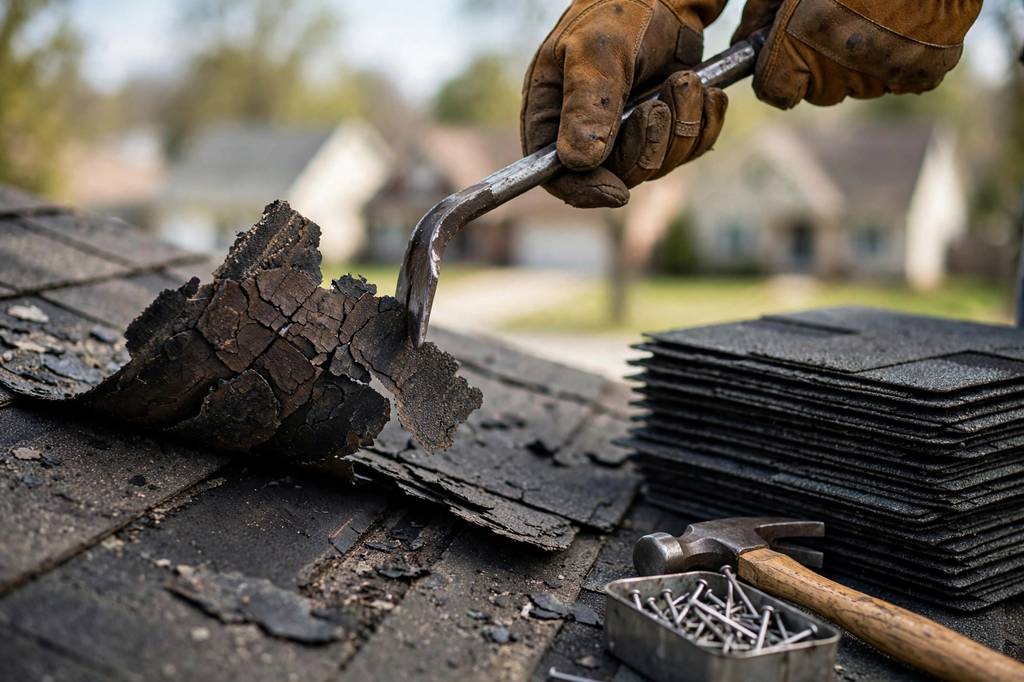
Before: A summer storm lifted a section of shingles over a two-story home, and rain was running down the inside of the exterior wall. A bucket sat in the hallway and a stain grew on the ceiling.
After: The open area was covered with a battened tarp and the shingle field was replaced, with shingles selected to blend with the existing architectural shingles. The wall was dried out, and the ceiling stain was sealed.
A post-storm inspection each spring and a gutter clearing in the fall keep water moving away from the roof edge.
Before: A ranch home had a recurring leak over the fireplace that had resisted earlier fixes. The ceiling stain kept coming back after every hard rain, and a whole roof replacement had been considered.
After: The leak was traced to failed chimney flashing, which was rebuilt with new flashing and ice and water shield, and the penetration was sealed. The ceiling stayed dry through the hard rains that followed.
A yearly flashing check and resealing any cracked sealant at the chimney base before winter are worth doing.
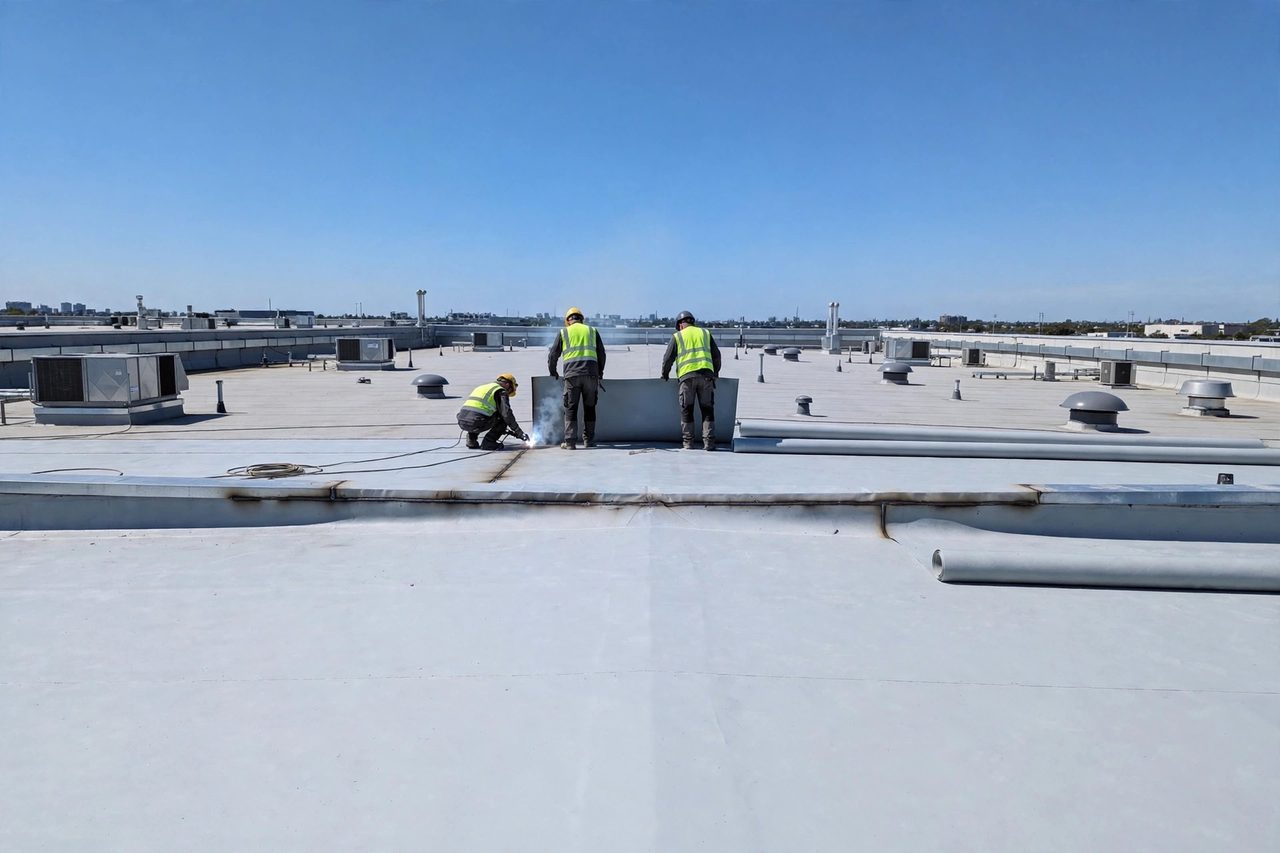
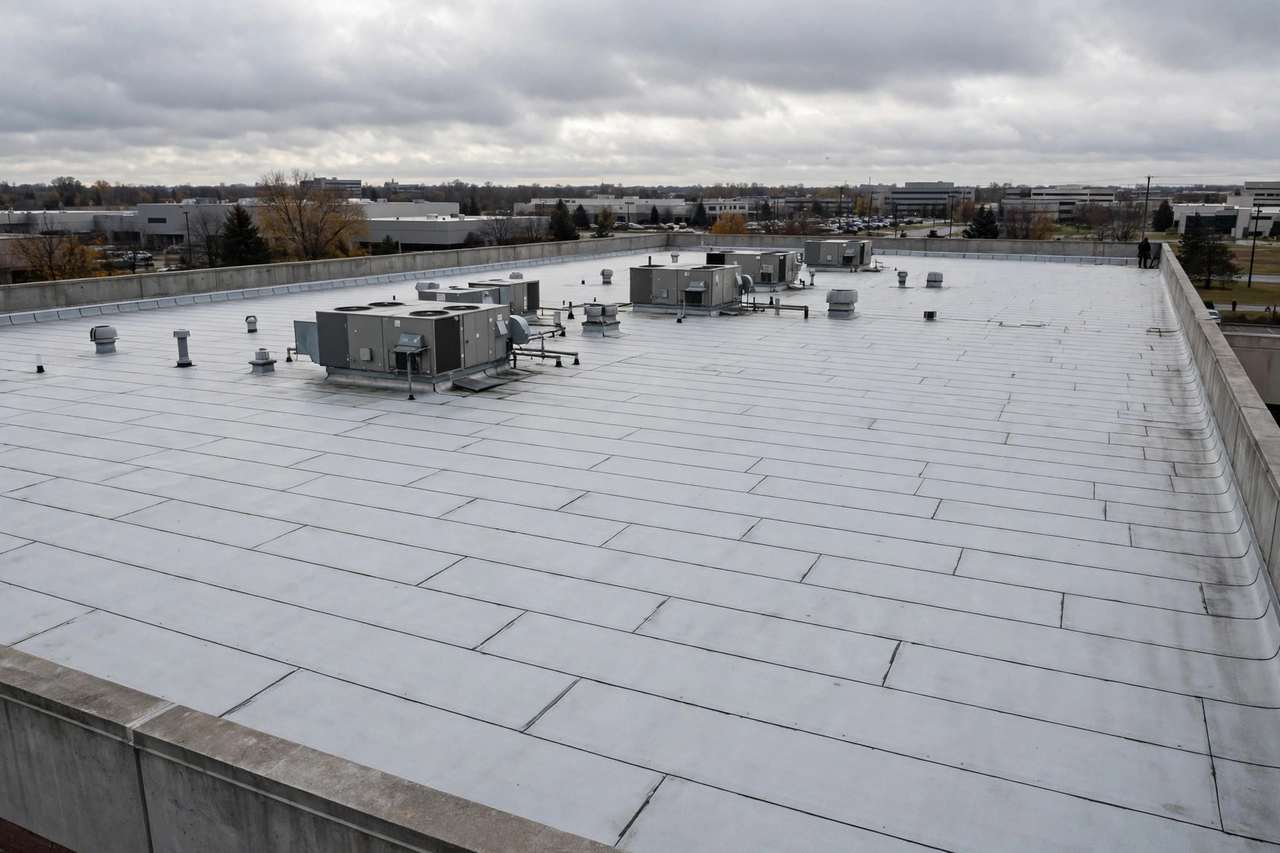
Before: A hail storm cracked membrane seams on a low-slope commercial roof, and water was dripping into a tenant space. The property manager needed the leak addressed without closing the business.
After: The active leak was covered, the membrane seams were repaired, and a photo report went to the file for the insurer. The tenant stayed open, and the ceiling was dried.
A roof check twice a year catches seam failures and clears the drains before the next storm season.
Most emergency calls come down to a handful of failures. Here is what shows up most in Urbandale and what happens if it waits.
A covered breach, a traced leak, and a repair at the source.
A tarp secured with battens over an open roof keeps water out of the attic and off the ceilings while the permanent repair is arranged. It is the covering step, described here as a concept; no timing promise is made on this page.
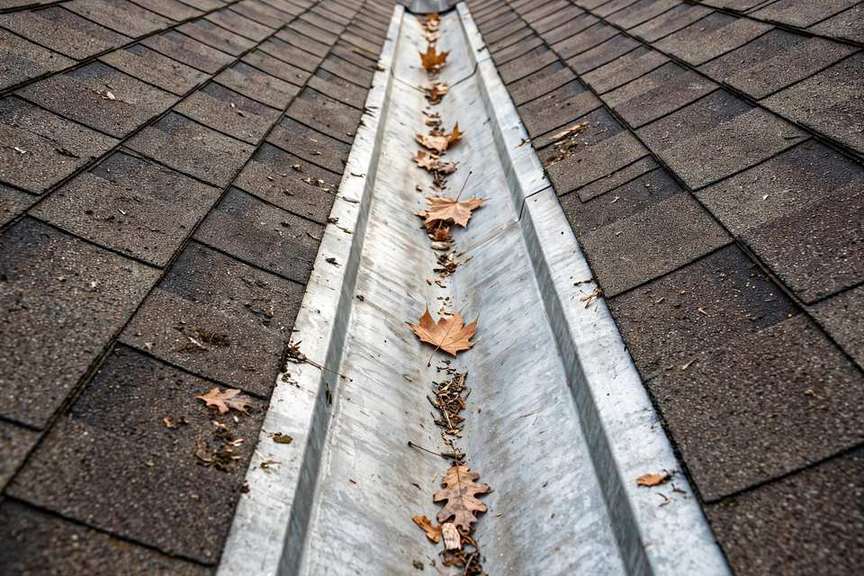
Water rarely enters where the stain shows. A moisture meter and a full attic trace find the actual entry point, whether it is flashing failure, a skylight leak, or a chimney leak. Fixing the wrong spot wastes money.
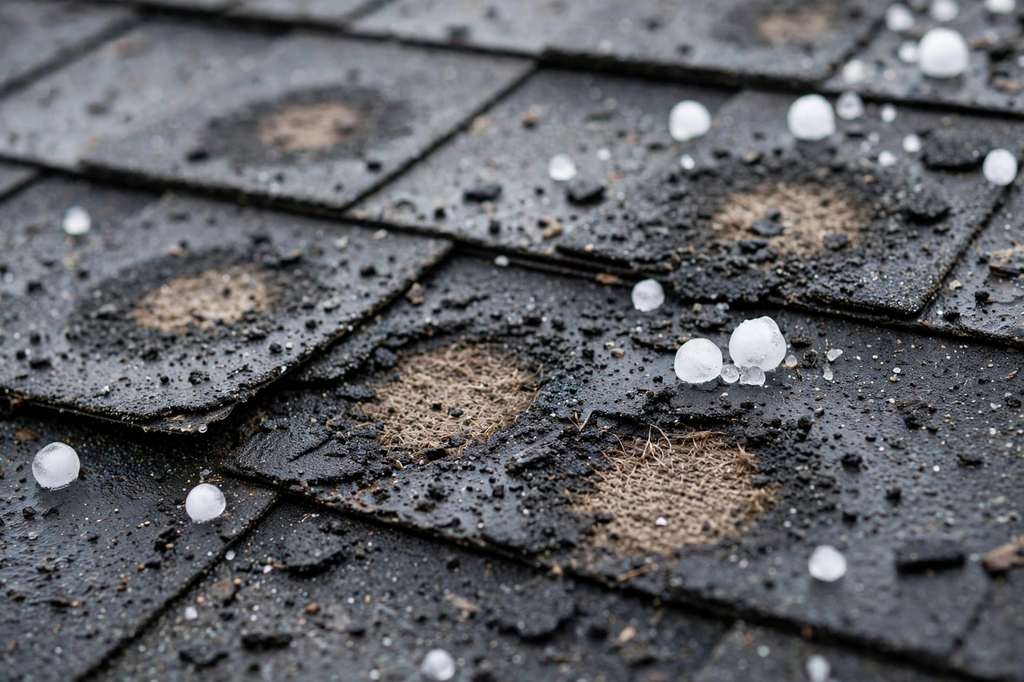
Hail damage and wind damage need a record. Hits are photographed, the shingle field is measured, and the damage is written up with photos for the insurer's file. Check the policy, agent, or carrier for coverage questions; this is not insurance advice.
Shingles are selected to blend with the existing field, flashing is sealed with ice and water shield where it belongs, and fastening follows the manufacturer instructions. A patch that fails in the next storm is not a repair.
Clear records to keep and share.
Damage and repair photos for your records
What failed and what was fixed
Shingles and flashing used
What to watch and when to check
Not every storm-damaged roof needs a replacement. The size of the damage and the age of the shingles decide it.
Small, isolated damage on a roof with life left
Larger damage that still leaves most of the roof intact
Widespread damage or a roof near the end of its life
A mailing address can carry a neighboring city's name, and an Urbandale address can carry a neighboring ZIP code. A parcel record settles which city governs an address. Call and ask about a specific street.
The pages below hold roofing information for Urbandale plats and districts. Each page describes its area. Call and ask about a specific street.
Move valuables away from the leak, put a bucket under the drip, and shut off power to any wet ceiling fixture if it can be reached safely. Do not climb onto the roof. If the ceiling is bulging, draining it through a small hole can keep it from collapsing. Then call (641) 219-5108 to describe what you see.
This business publishes no prices on this site, and no emergency surcharge or fee is stated anywhere on it. A written scope lists the work before it starts, so a tarp, a shingle repair, and a flashing rebuild are each visible as separate items.
What you see (a stain, missing shingles, water on the floor), where it shows inside, when it started, and whether the roof is open to the sky. Photos taken safely from the ground help. The listed hours are Open 24 hours, every day.
Move valuables away from the leak, put a bucket under the drip, and if the ceiling is bulging, poke a small hole to drain it so it does not collapse. Do not climb the roof. If a wet ceiling fixture can be reached safely, shut off power to it. Then call (641) 219-5108 to describe what you see.
Related pages from the services list.
Call Rocc Solid Construction at (641) 219-5108 to describe what you see. The listed hours are Open 24 hours, every day. No arrival time or outcome is promised on this page.
Call (641) 219-5108 to talk about a roofing question. The office is at 3815 109th St, Urbandale, IA 50322, United States, and the listed hours are Open 24 hours, every day.