For Urbandale Homes
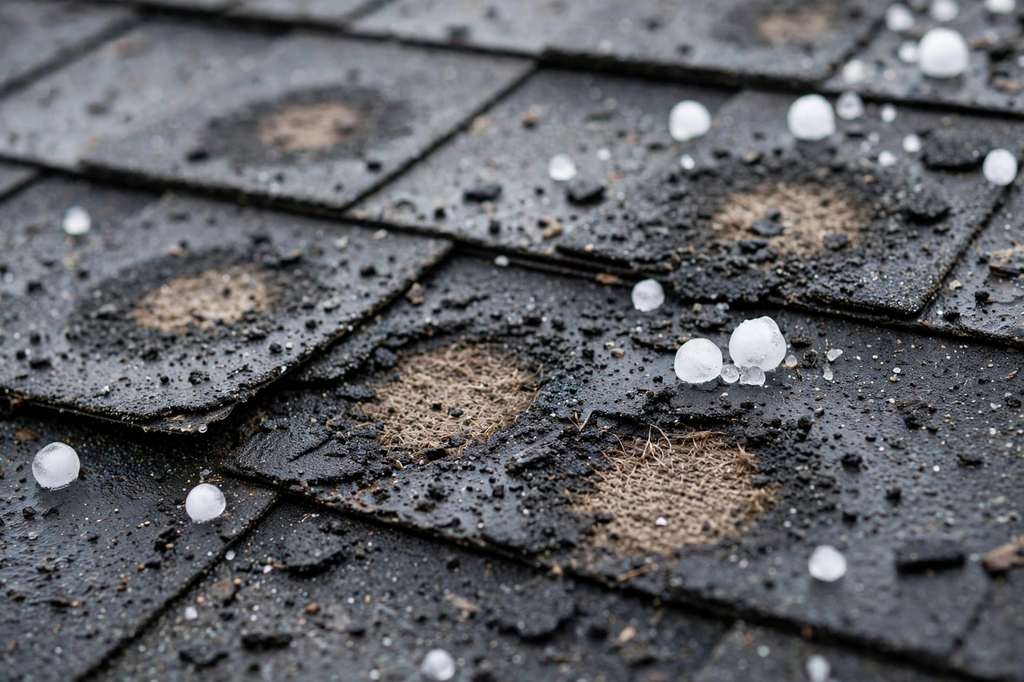
Hail bruises shingles in ways that cannot be seen from the ground. Every slope is inspected and photos are shown before a repair is recommended.
- Granule piles at downspouts
- Dented gutters and vents
- Ceiling stains after a storm
Hail damage roof repair Urbandale homeowners need after a hail event starts with an inspection of every slope. Hail bruises shingle mats and knocks granules loose in ways that are hard to see from the ground, so hits are photographed, measured, and described in a written scope before repair work is scoped.
 Storm inspectionPhoto documentationField repair
A hail repair starts with a full inspection and a written scope. What follows depends on what the storm did. The items below describe the standard scope.

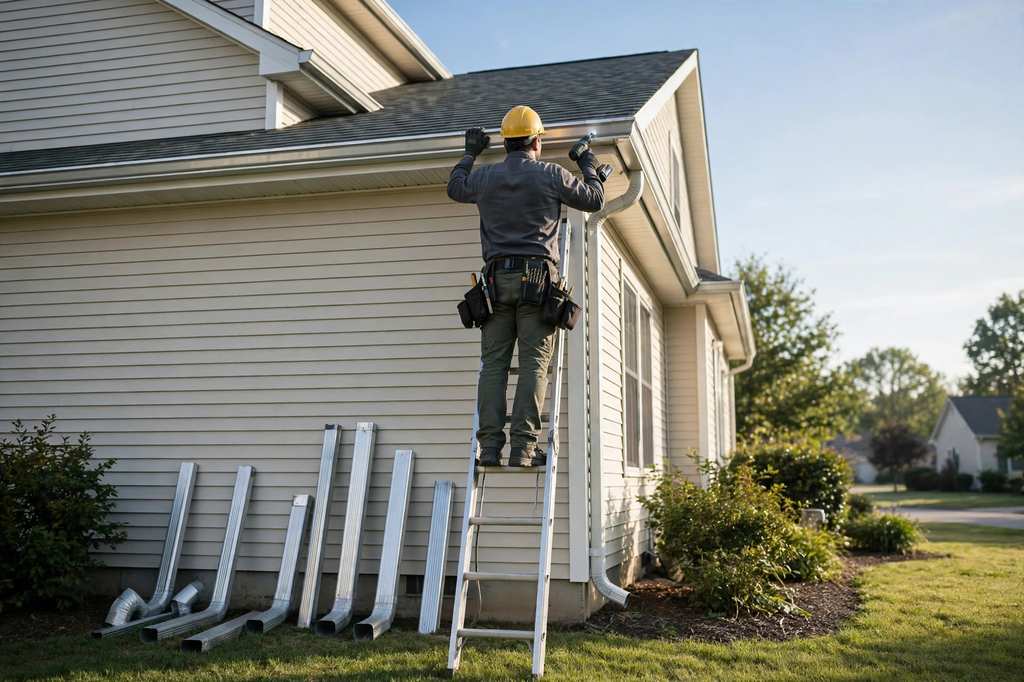
Every slope is walked, the shingle mat is checked for bruises, and hits are photographed. Gutters, downspouts, vents, and flashing are checked too, since hail damage often shows up in more than one place.
Dated photos of every damaged area, plus hit counts and measurements. The photo set is the record the repair scope is written from, and part of storm damage documentation for the insurer.
Damaged shingles are removed and replaced with material selected to sit alongside the existing field, with the correct nail pattern and underlayment beneath.
Hail bends flashing and cracks vents. Roof flashing, chimney flashing, ridge vents, and box vents are checked, and anything the storm damaged is repaired or replaced.
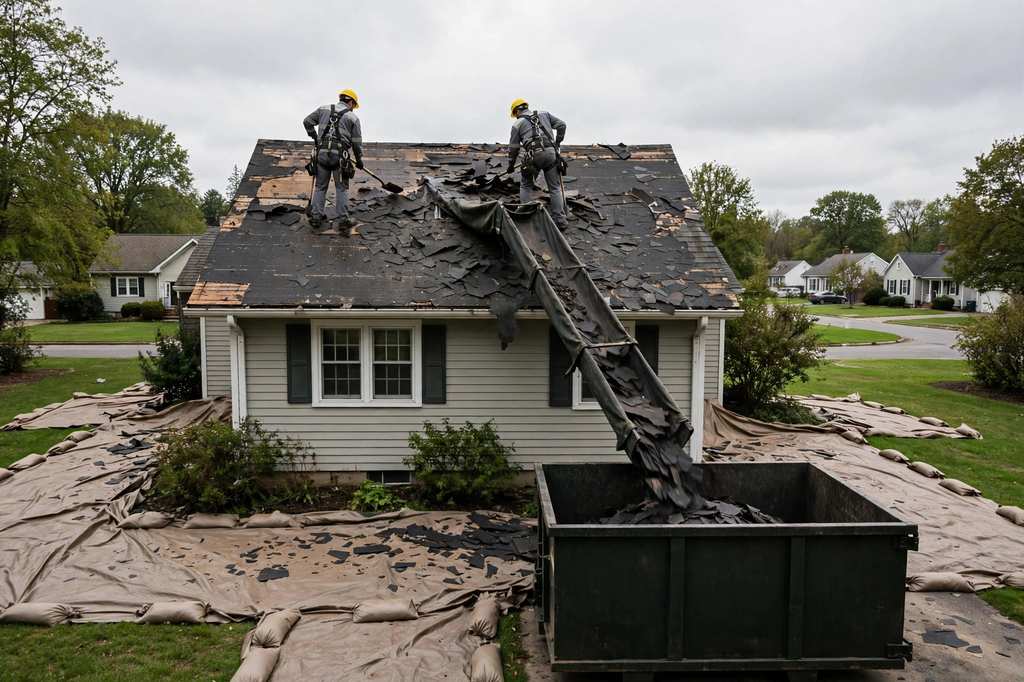
Landscaping is covered, the yard is magnet-swept for nails, and old shingles are hauled away.
The repaired area is checked and the attic is looked at for moisture before the job is called done.
The approach is the same for a home and a business. What changes is the access, the schedule, and who needs the paperwork.
Hail bruises shingles in ways that cannot be seen from the ground. Every slope is inspected and photos are shown before a repair is recommended.
Commercial roofs take hail damage on membrane and flashing. Damage is documented per building, with scopes for the property file. Larger properties are described on the commercial roofing page.
A plain-language look at what hail repair involves and when it is needed.
See how it worksHail damage roof repair in Urbandale means finding storm-caused bruises, fractures, and granule loss on a roof and restoring the shingles, flashing, and vents so the deck stays dry. Hail does not always punch a hole. More often it knocks the mineral granules loose, cracks the mat under the shingle, and leaves a soft spot that leaks later. A moisture meter and a chalk line map the hits, then damaged field shingles, ridge caps, and bent flashing are replaced.
Hail damage is often uneven: one side of the roof takes the beating while the other looks fine, which is why every slope is inspected, not just the front. The hail signs post describes what to look for from the ground, and the shingles versus metal post compares the two surfaces on research-grounded factors, including impact-resistant shingle options. For any impact-resistant choice, check with your insurer about how it is treated.
Hail damage is checked slope by slope, because one side of a roof can take the beating while the other looks fine.

Five stages from the first call to the final walk-around.
The roof is walked and every slope is checked for hail hits, granule loss, and cracked shingle mats. Damage is photographed, hits are measured with a chalk line, and gutters and downspouts are checked for granule piles.
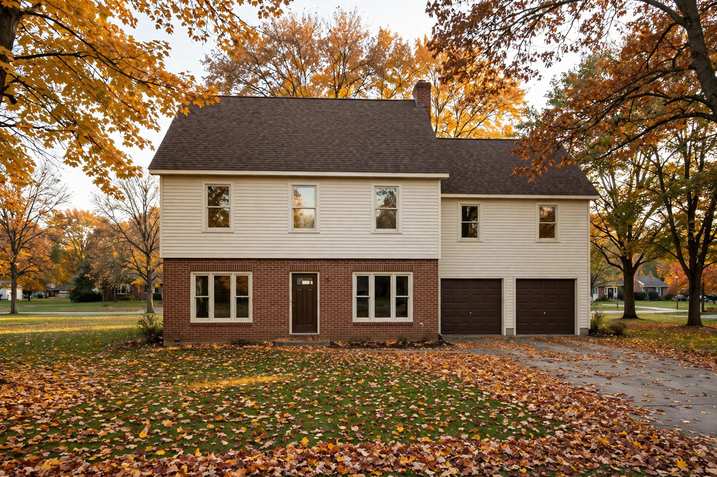
The scope lists the damaged areas, the shingles, the flashing, and what the repair addresses, explained in plain language. The photo set and measurements go to the homeowner for their own records and for storm damage documentation for the insurer.
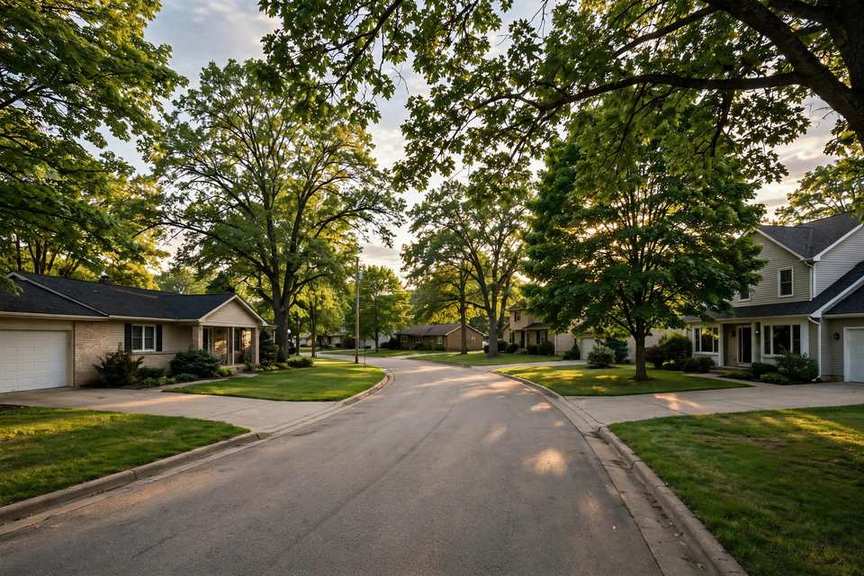
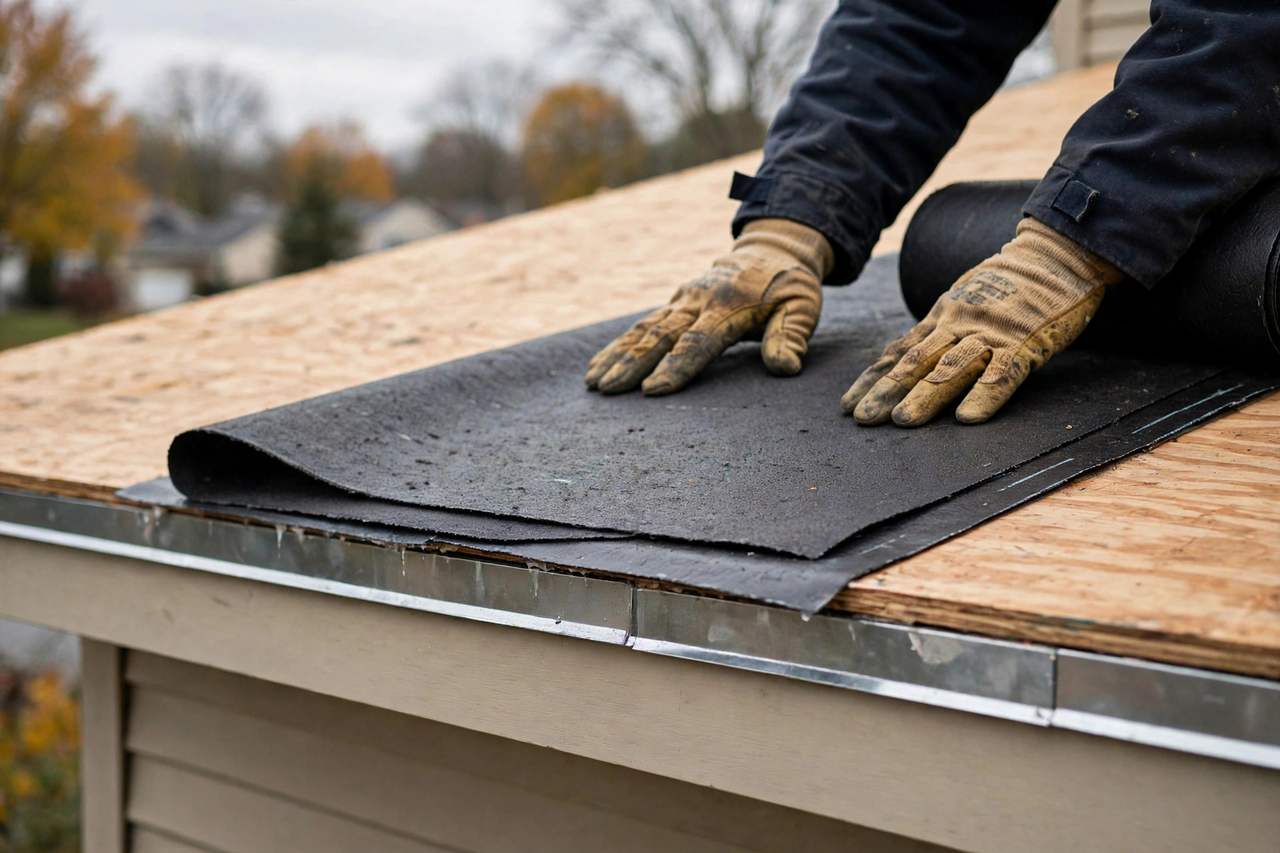
Replacement shingles are selected to sit alongside the existing field. Where a line is no longer available, samples are shown and how a partial repair will look is explained. Underlayment, ice barrier, and ridge vent follow the code criteria and the rest of the roof.
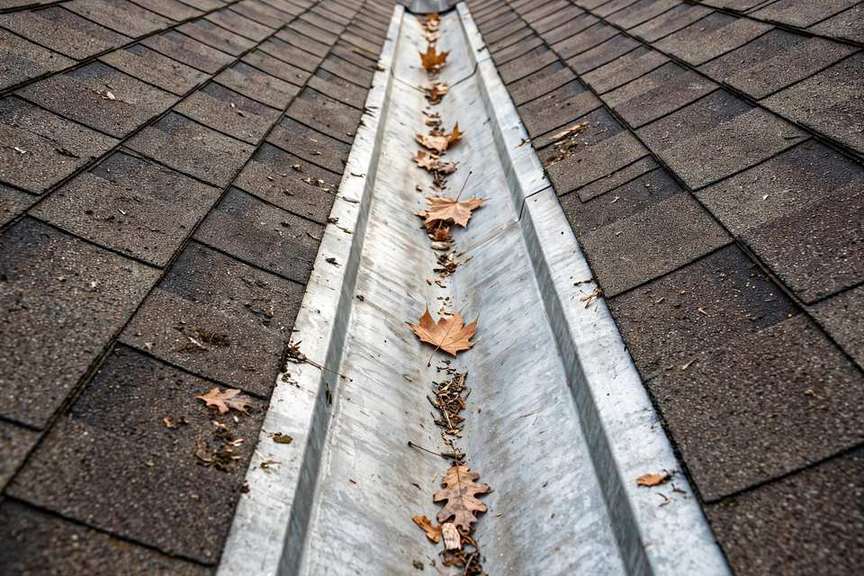
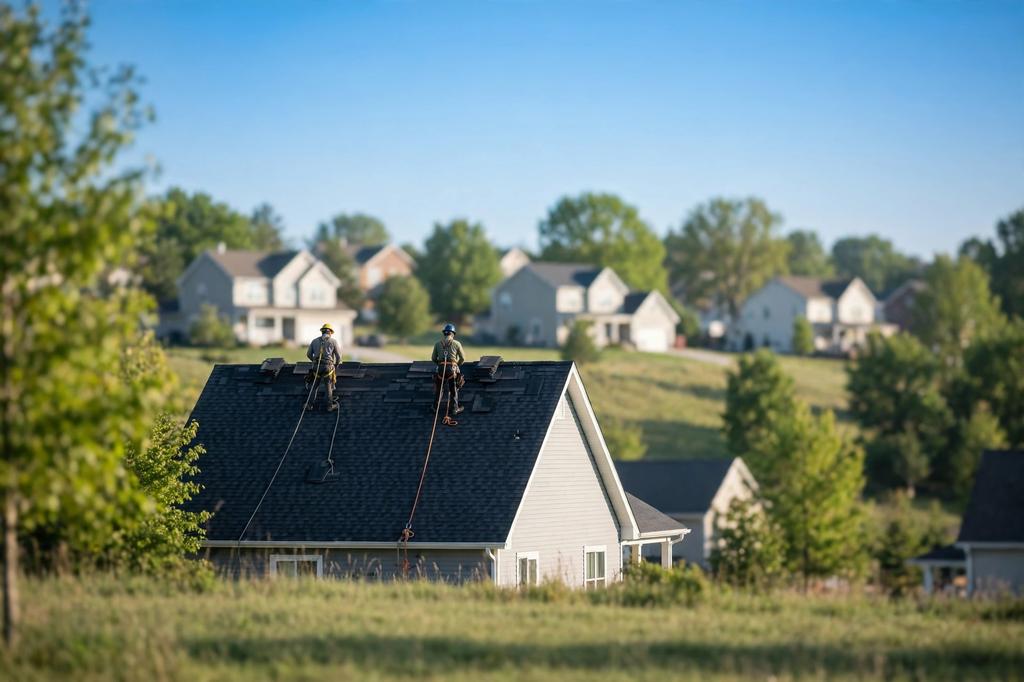
Landscaping is covered, the roofing ladder is set, and only the damaged sections are stripped. Nail guns, shingle cutters, and pry bars come out, and new shingles go down with the correct nail pattern.
The yard is magnet-swept for nails, the gutters are checked, and the repaired area is looked at again. A photo record of the finished work goes with the job, with a short list of what to watch for.
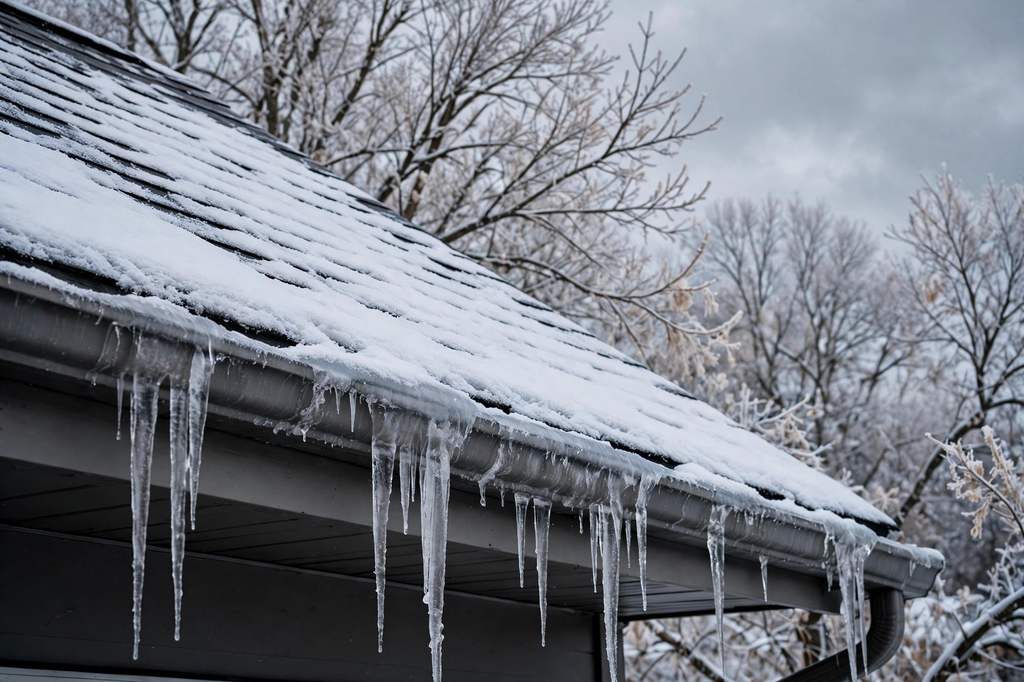
Move across a circle, or focus it and press Enter, for an illustrative thermal view of the photograph.

Checks the deck and underlayment for moisture after a hail hit, showing whether the damage is surface-level or has already let water in.
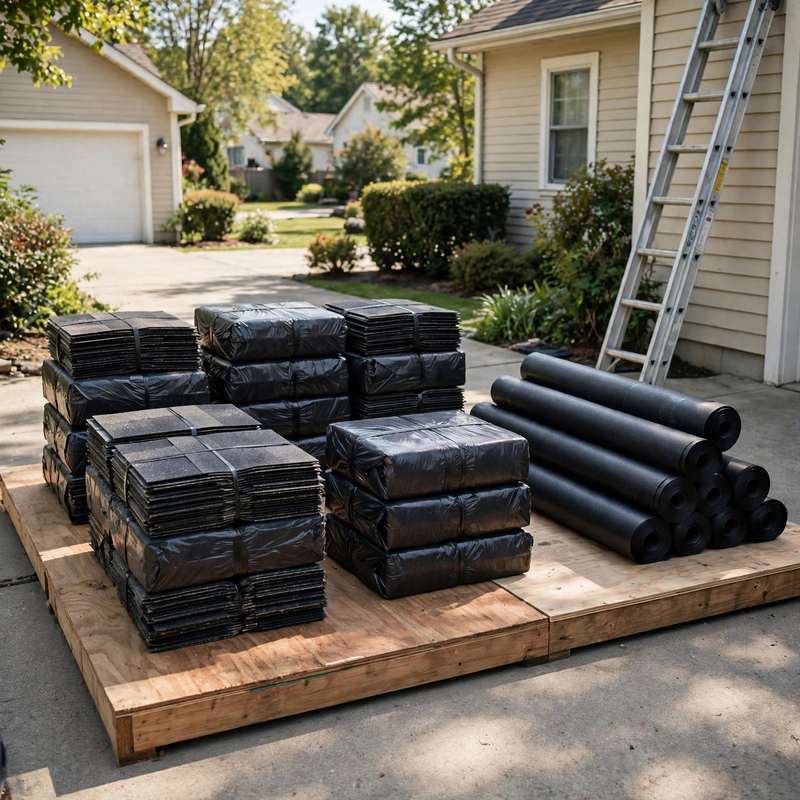
Marks the hail hit zones on the roof so damage is measured and documented consistently.

Sets the correct nail pattern on replacement shingles.

Removes damaged shingles cleanly without tearing the surrounding shingles or the underlayment.

Ladder and harness setup for getting onto steep pitches safely.
Thermal views are illustrative, generated from the photographs.
Cuts and sets shingles and flashing on detail work around vents, chimneys, and valleys.
Every slope is inspected, not just the front. Hail damage is often uneven, and the slope facing the storm takes the most hits.
Every damaged area gets a dated photo, with hit counts recorded. The photo set is part of storm damage documentation for the insurer, kept in the homeowner's own records.
The existing shingle line and color are identified, and replacement material is selected to sit alongside the field. Where a line is no longer available, samples are shown before work starts.
Ice barrier, underlayment, and flashing follow the 2018 code editions adopted by the City.
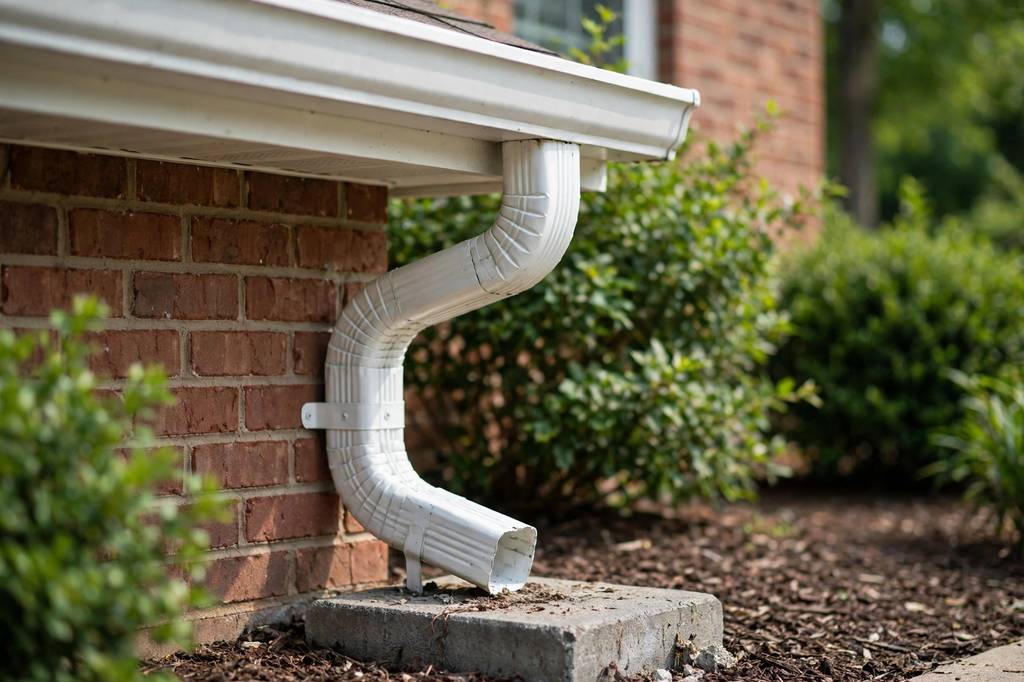
A spring hail event leaves granule piles at the downspouts and dents in the gutters.
The roof is inspected, hits are documented, and a scope is written. The photo set goes to the homeowner for storm damage documentation for the insurer.
Outcome: The homeowner gets a clear answer on the damage and a repair scope, without guessing whether the roof is hurt.
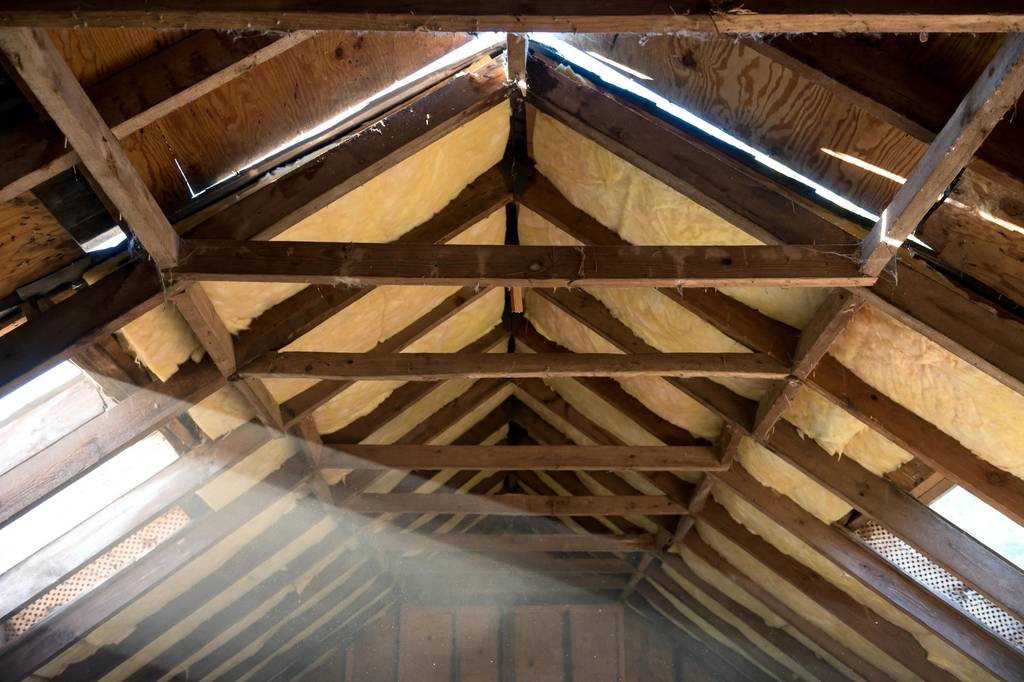
A ceiling stain appears weeks after a storm, and the leak source is unclear.
The leak is traced with a moisture meter, shingles above it are checked for hail bruises, and the source is repaired. The bruise is often several feet uphill from the stain.
Outcome: The leak is addressed, damaged shingles are replaced, and the attic is checked.
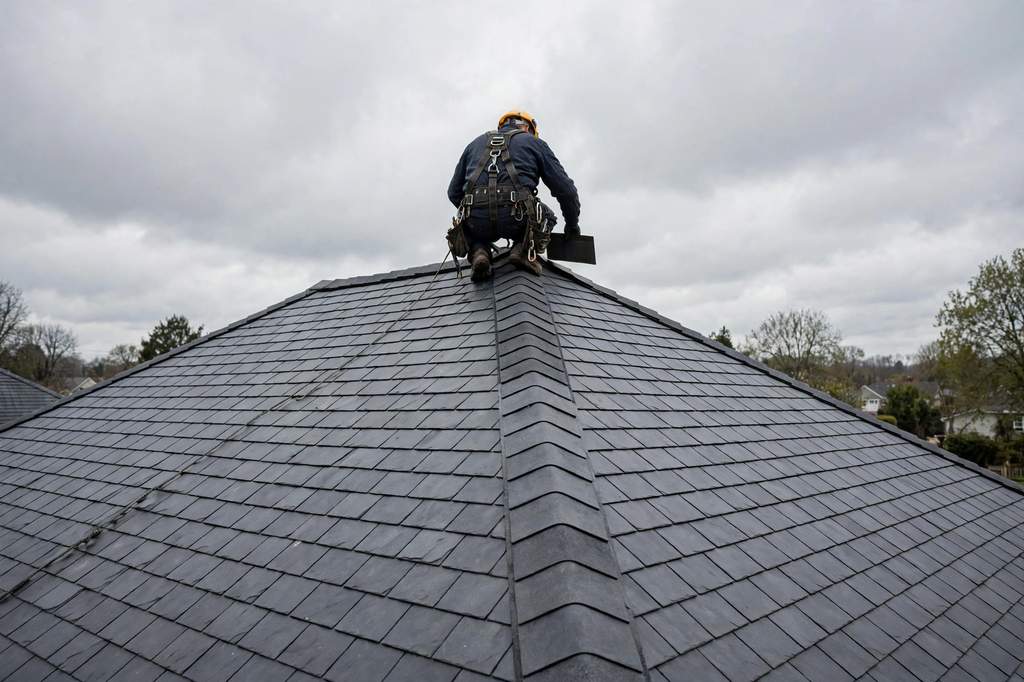
A property manager needs several roofs inspected after a hail event.
Each building is inspected, damage is documented per address, and scopes are provided for the property file.
Outcome: One photo set per building, and repairs scoped without disrupting tenants.
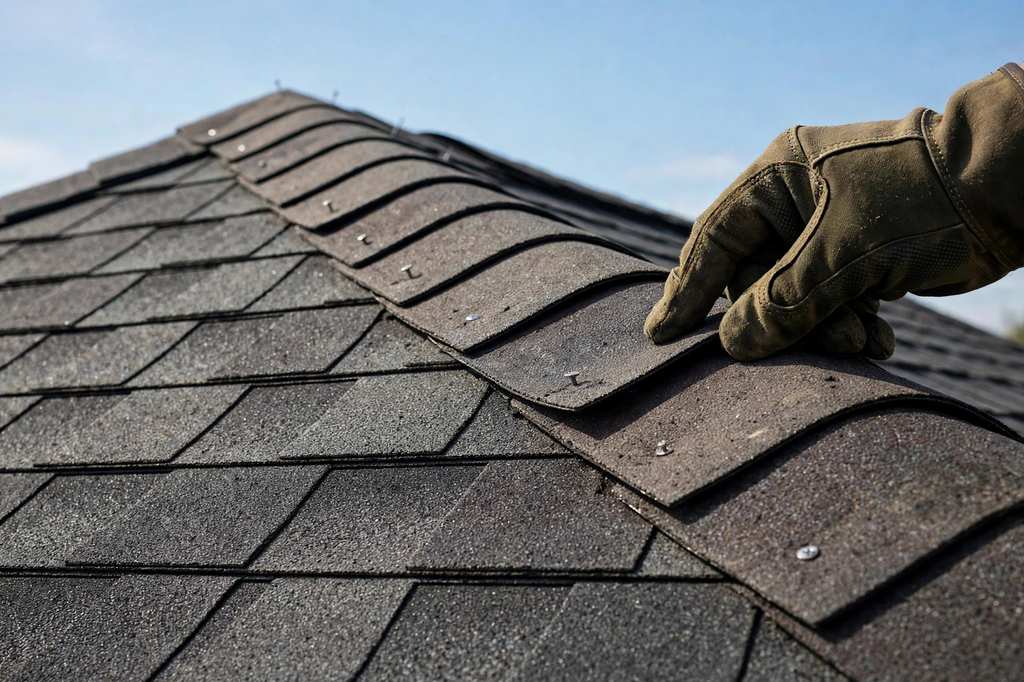
A buyer inspection flags hail damage on a roof during a sale.
The roof is inspected, damage is documented, and needed repairs are scoped and recorded for the transaction file.
Outcome: The repair is done and documented, with a record available for the parties involved.
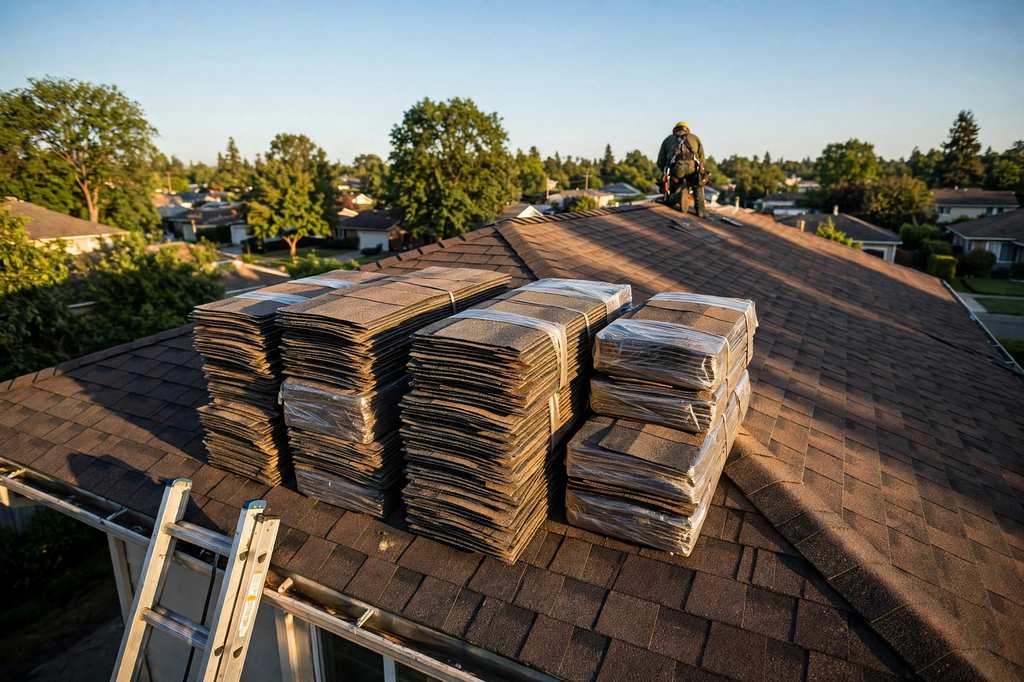
A storm opens a leak and the roof needs stabilizing before a full repair can be scoped.
A temporary cover over the opening is discussed on the call, and the lasting repair is scoped separately. This site makes no timing promises.
Outcome: The opening is covered until lasting work is scoped, and the damage is documented.
Hail figures in the research describe the Des Moines metro, not Urbandale itself: 100 hail days within 15 miles of Des Moines since 2010, with the largest at 3.25 inches in Beaverdale on July 9, 2021. Different radii and periods give different largest values, so figures from different sources are never mixed into one record on this site. The only Urbandale-named hail record found is 1-inch hail on March 14, 2025.
Older shingles tend to crack under hail while newer shingles bruise and lose granules (INFERRED from the general difference between aged and newer asphalt). Freeze-thaw cycles make hail damage worse over time: water gets into a bruise, freezes, and widens the crack, which is why inspection after a hail event looks at the mat, not just the surface.
No Urbandale-specific hail climatology was found in the research, so this site states no frequency claims for local hail. Every slope is inspected after a hail event, because damage is often uneven across a roof.
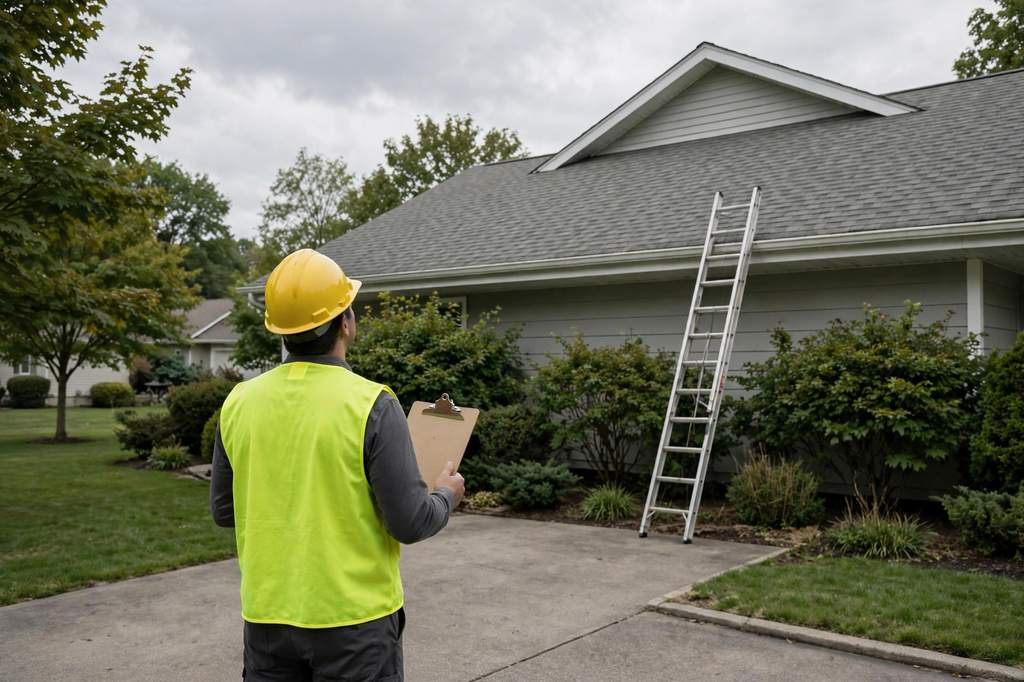
Before: A spring hail event left granule piles at the downspouts and bruised shingles on the back slope. No leak had shown yet, but the shingle mat was cracked in several spots.
After: Damaged shingles are replaced, underlayment is checked, and flashing is repaired. The work is photographed, and the documentation is kept for the homeowner's own records.
Have the roof inspected each spring, before storm season, to catch new damage early.
Before: A ceiling stain showed up weeks after a hail event. The leak traced back to hail bruises on the slope above the kitchen.
After: Bruised shingles are replaced, flashing is repaired, and attic insulation is checked for moisture.
Keep gutters clear each fall so granule buildup does not clog the downspouts.
Before: A property manager needs several roofs documented after hail. Two roofs have dented gutters and cracked vents.
After: Each building is inspected, damage is documented per address, and shingles, gutters, and vents are repaired. Scopes go to the property file.
A regular inspection routine means the next storm does not catch the properties unrecorded.
Hail damage is rarely just one problem. The issues below are the ones inspection looks for after a hail event.
Hail damage changes with every freeze and thaw. A documented repair addresses what the storm did.
A bruised shingle lets water past the mat long before a stain shows. Damaged shingles are replaced and the underlayment and ice barrier beneath them are checked, with a moisture check at the deck.
Photos, measurements, and a clear written scope make up the documentation record. Dated photos and hit counts are kept in the homeowner's own records as storm damage documentation for the insurer. This is general information, not legal or insurance advice — check your policy, agent, or carrier.
Replacement shingles are selected to sit alongside the existing field, with underlayment and flashing to match. No product names are published on this site.
Water that gets past a hail bruise can damage the roof deck and fascia. Catching hail damage early keeps the repair to the affected area.
Clear records to keep and share.
Dated photos of every damaged area
Repair plan for your records
Measurements and hit counts for your records
What was repaired and when
Not every hail-damaged roof needs a full replacement. The right scope depends on how much of the roof is damaged.
A few damaged shingles on one or two slopes
An open leak that needs stabilizing first
A mailing address can carry a neighboring city's name, and an Urbandale address can carry a neighboring ZIP code. A parcel record settles which city governs an address. Call and ask about a specific street.
The pages below hold roofing information for Urbandale plats and districts. Each page describes its area. Call and ask about a specific street.
Look for granule piles at the bottom of downspouts, dented gutters or vents, and shingles with dark, soft spots. From the ground, bruised shingles and bent flashing can sometimes be seen, but the full picture comes from an on-roof check with a moisture meter and a close look at the shingle mat.
The only Urbandale-named hail record found in the research is 1-inch hail on March 14, 2025. Broader figures describe the Des Moines metro, not Urbandale: 100 hail days within 15 miles of Des Moines since 2010, with the largest at 3.25 inches in Beaverdale on July 9, 2021. No Urbandale-specific hail climatology was found.
No. A hail bruise knocks granules loose and cracks the mat, and water can get in slowly, with the first sign a ceiling stain after a later rain. Water in a bruise can freeze and widen the crack through freeze-thaw cycles, which is why inspection after a hail event looks at the mat, not just the surface.
Dated photos of every damaged area, measurements and hit counts, and a written scope describing the repair. Keep them as storm damage documentation for your insurer, in your own records. This is general information, not legal or insurance advice — check your policy, agent, or carrier.
Related pages from the services list.
Call Rocc Solid Construction at (641) 219-5108 to describe the hail event and ask about inspection and documentation. The listed hours are Open 24 hours, every day.
Call (641) 219-5108 to talk about a roofing question. The office is at 3815 109th St, Urbandale, IA 50322, United States, and the listed hours are Open 24 hours, every day.