For Homes
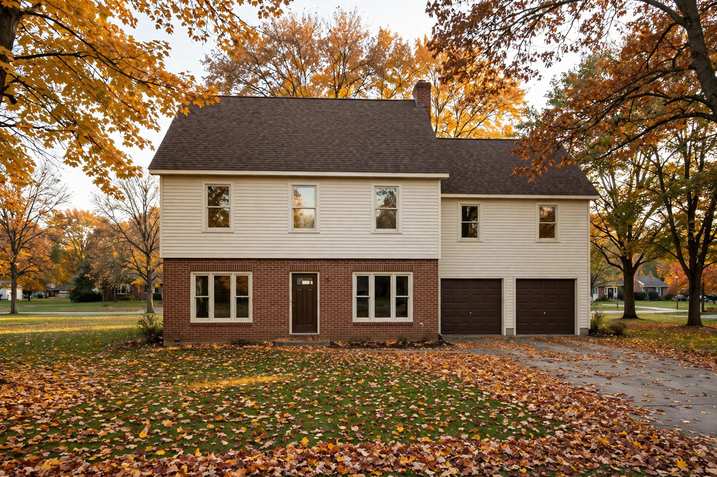
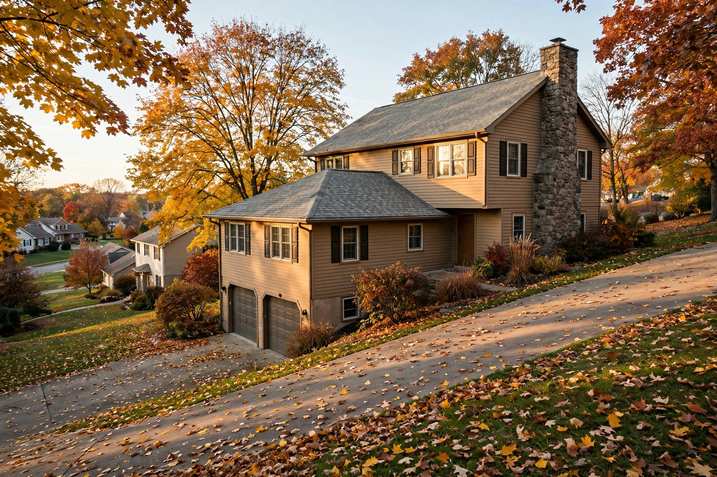
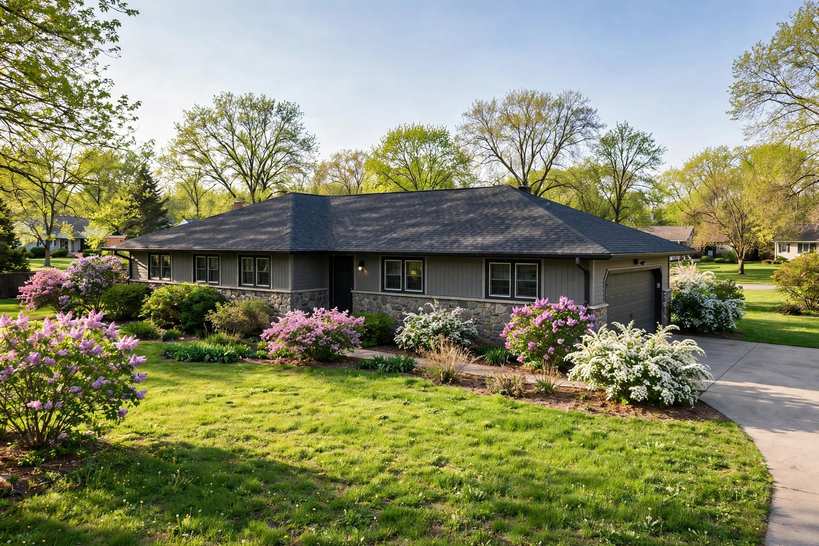
Homes are inspected from older ranches to newer builds. Every inspection includes a roof walk, attic check, and photo report.
- Ceiling stains or attic moisture
- Storm damage after hail or wind
- Pre-sale roof documentation
A roof inspection Urbandale homeowners and buyers rely on walks every slope, checks the flashing, and documents what is found with photos. Whether it is storm damage, a slow leak, or a pre-sale roof check, the result is a straight answer and a written report to act on. No fee, duration, or drone claim is made on this page.
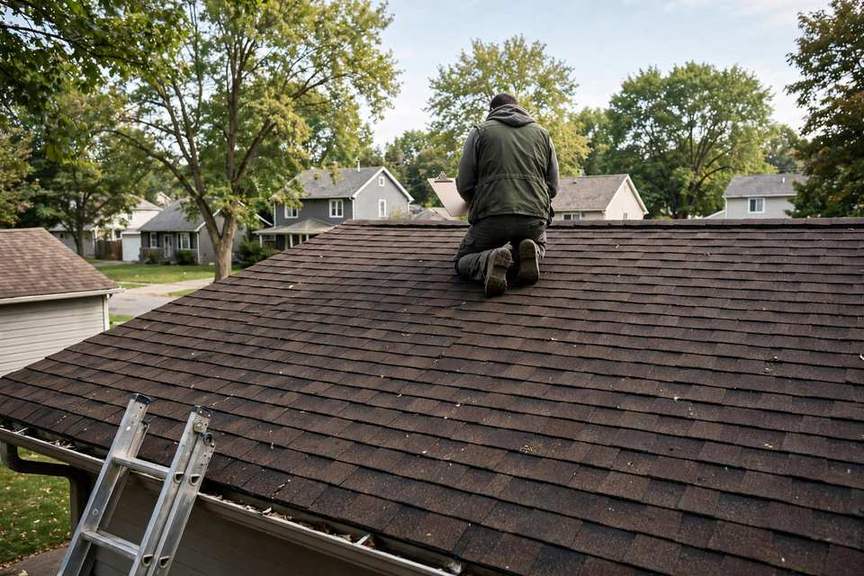 Walk every slopeCheck attic moisturePhoto-document findings
Every inspection includes a full roof walk, attic check, and photo-documented report. Here is what is covered, and what gets flagged if it needs a closer look.
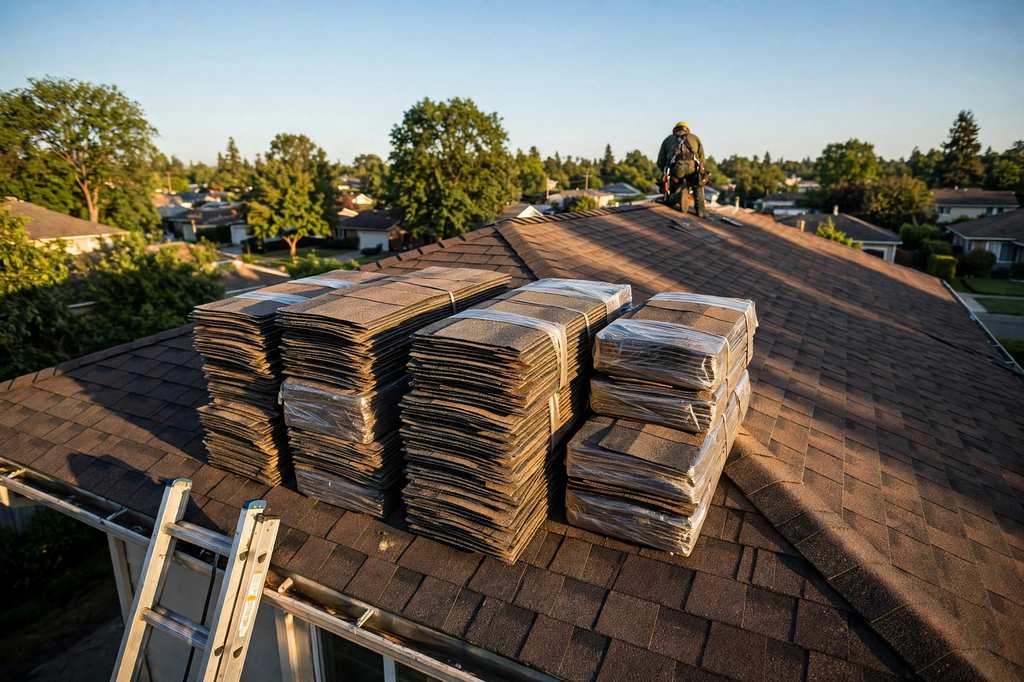
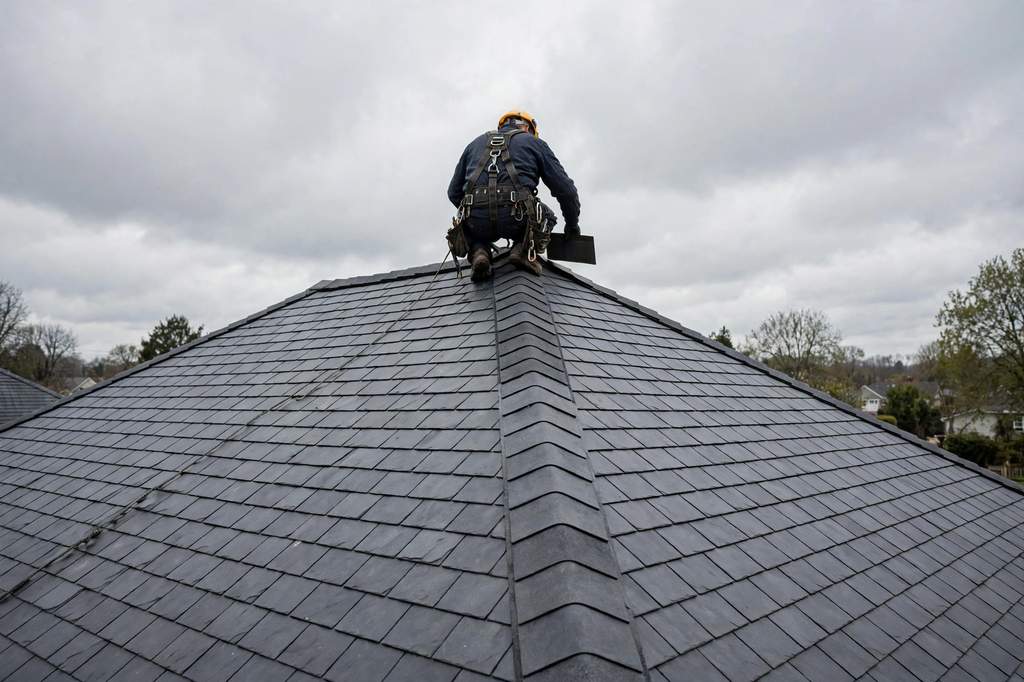
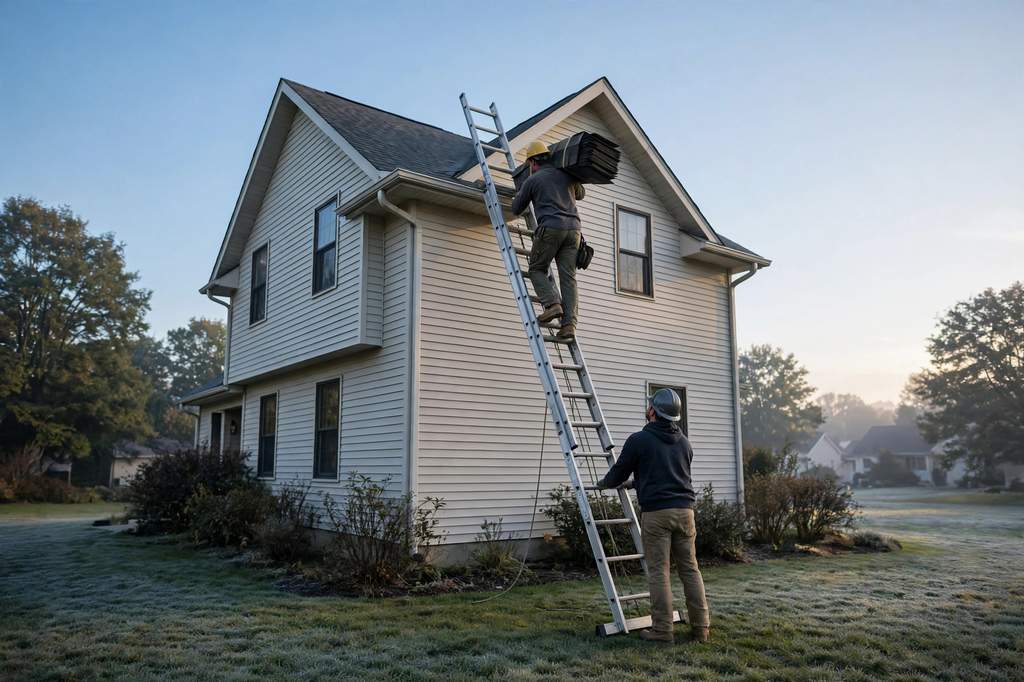
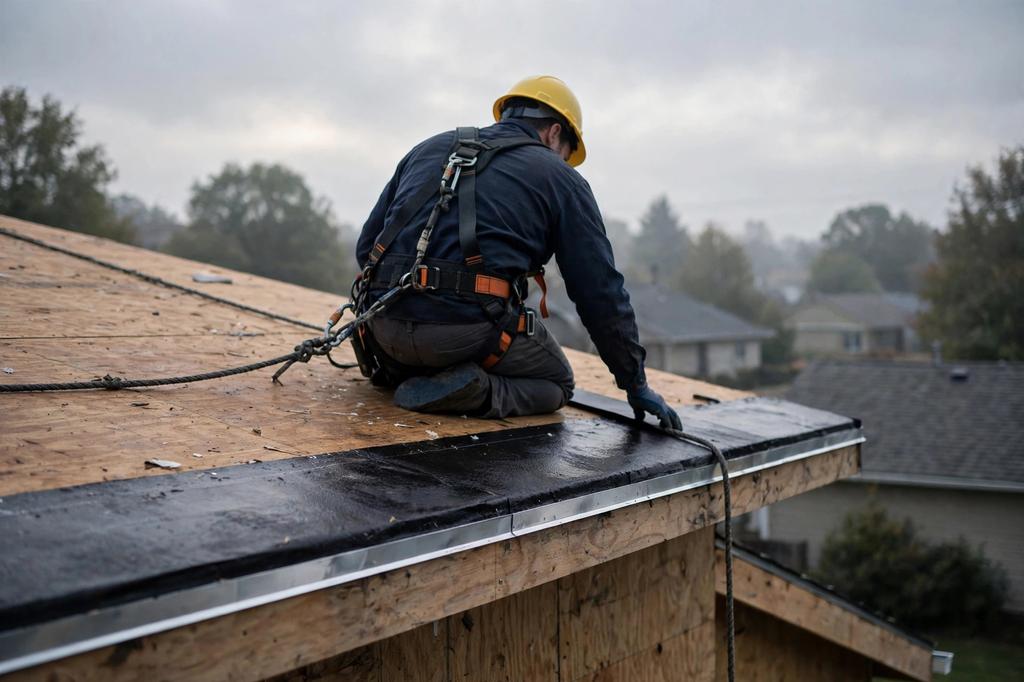
Every slope is walked when it is safe, checking shingles for curling, missing pieces, hail damage, and exposed fasteners. Steep pitches get a safety harness and roofing ladder so nothing is skipped.
The attic is inspected for moisture, daylight, and ventilation problems. A moisture meter confirms damp spots, and ridge vents and soffit vents are checked for blockages or inadequate airflow.
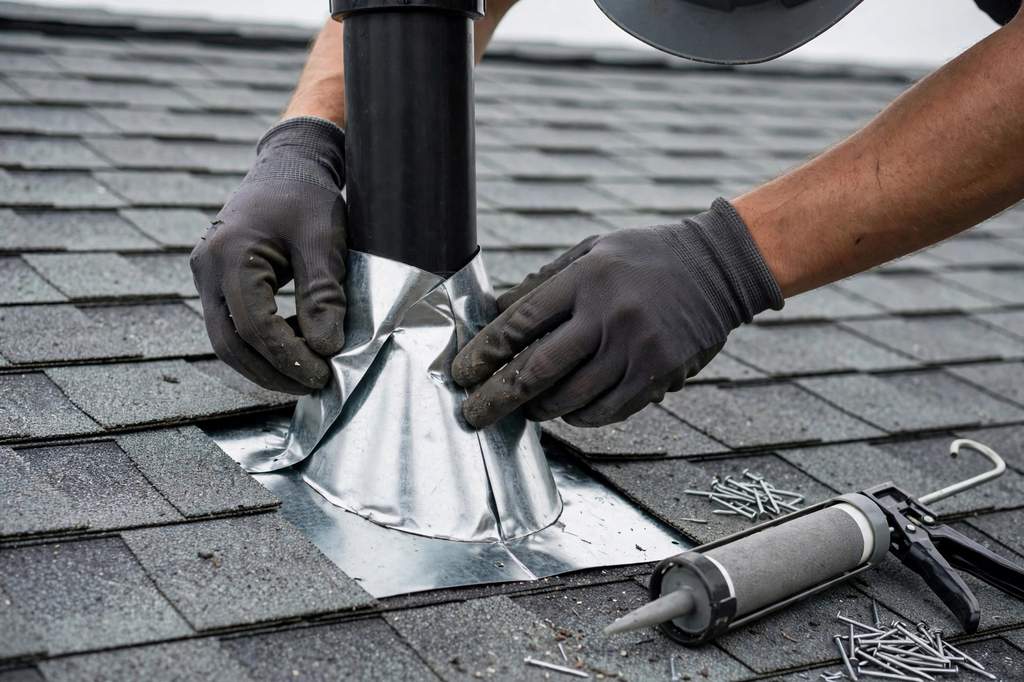
Chimneys, skylights, and vents are common leak points. Flashing and counter-flashing condition, sealant integrity, and whether ice and water shield is doing its job along the eaves are checked.
Gutters and downspouts are checked for clogs, loose hangers, and proper flow. Poor drainage causes fascia rot and ice dams, so findings are documented and fixes are recommended.
Every finding is photographed and written up. The report shows what is failing, what is holding up, and what needs attention now versus later, plus a written scope for any repairs.
The approach is the same for a home and a business. What changes is the access, the schedule, and who needs the paperwork.
Homes are inspected from older ranches to newer builds. Every inspection includes a roof walk, attic check, and photo report.
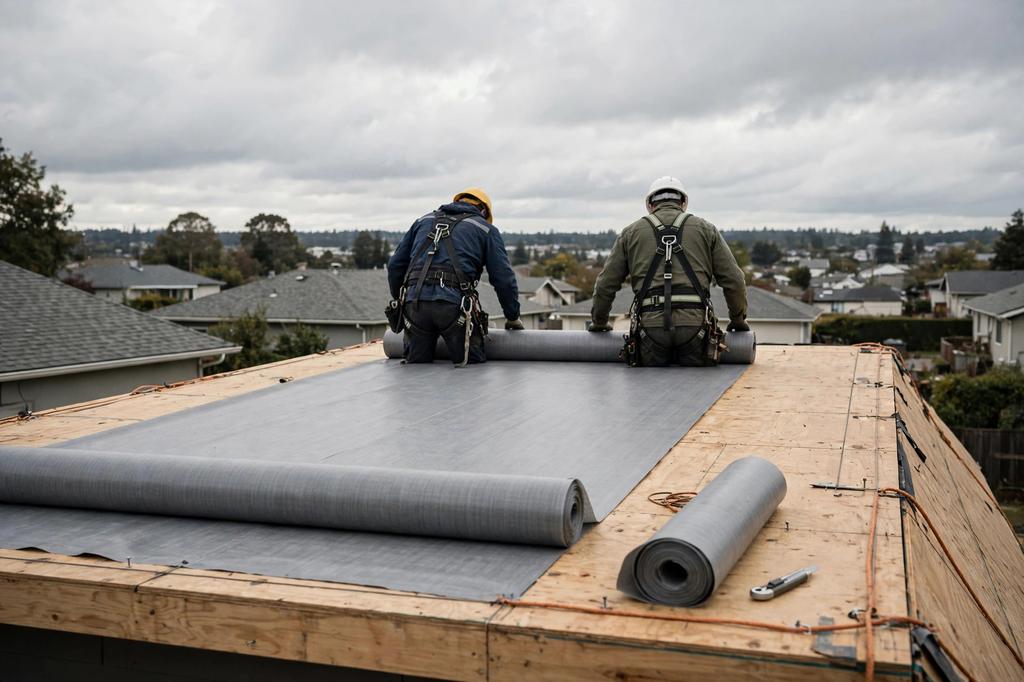
Commercial roofs are inspected for property managers and business owners. Flat and low-slope systems get drainage, membrane, and penetration checks.
A plain-language look at what a roof inspection involves and when it is needed.
See how it worksA roof inspection in Urbandale is a top-to-bottom evaluation of the roof system that checks shingles, flashing, underlayment, attic ventilation, and gutters for signs of wear or failure. The roof is walked when it is safe, a moisture meter confirms damp spots, and every problem area is photographed. The report shows what is failing, what is holding up, and what needs attention now versus later.
Urbandale roofs take a beating from hail, wind, and ice dams along the eaves. After a storm rolls through, missing shingles and flashing failure show up fast. That is why a roof check matters before small issues turn into attic leaks and rotted decking. The inspection post describes the visit in more detail, and the hiring post covers what to ask before any work starts.
A roof inspection tells you what is failing, what is holding up, and what needs attention now.
Schedule, inspect, report, and walk through the findings. Here is what to expect from start to finish.
Call (641) 219-5108 to arrange a time. The address is confirmed, leaks or storm history are asked about, and what to expect is explained. No duration is stated on this site.
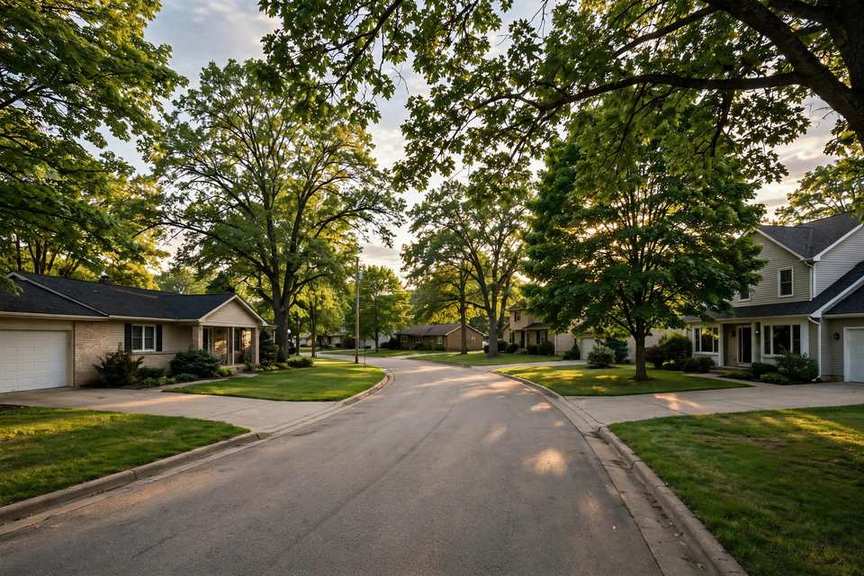
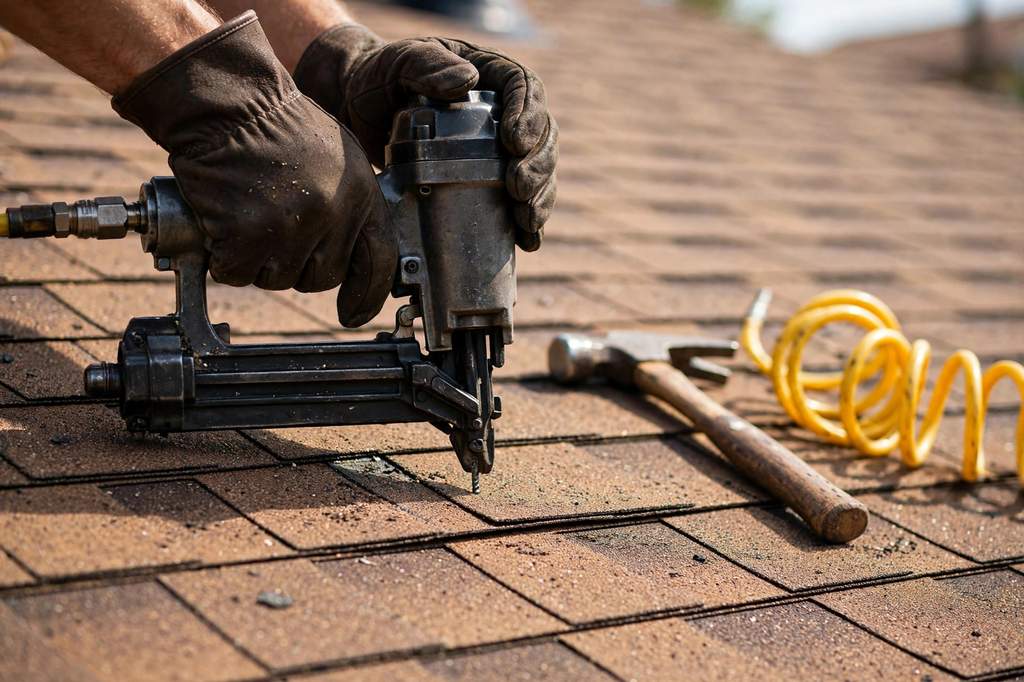
Shingles, flashing, ridge vents, and skylights are checked, then the attic is entered to look for moisture, ventilation issues, and daylight. A moisture meter, a roofing ladder, and a safety harness are used on every steep-slope job.
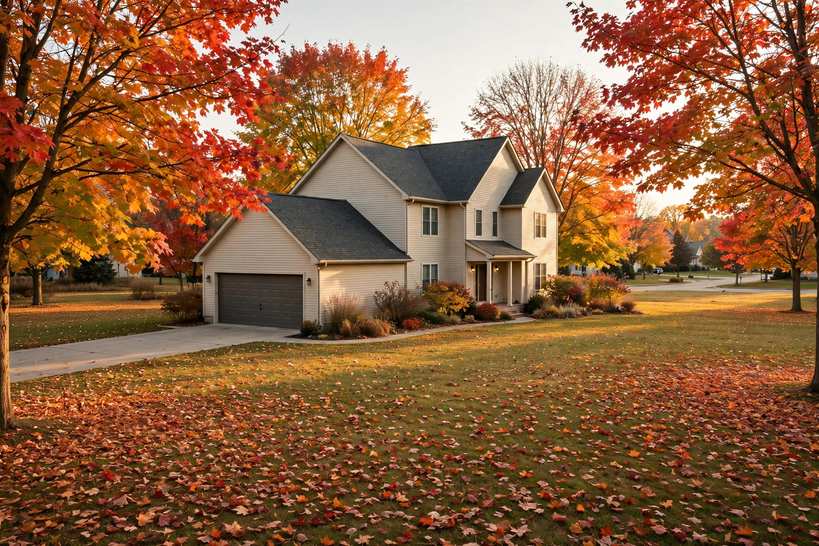
Every problem area gets photographed and noted. Gutters and downspouts are checked for clogs, ice and water shield along the eaves is inspected, and missing shingles or exposed fasteners are noted. The result is a clear record, not a verbal guess.
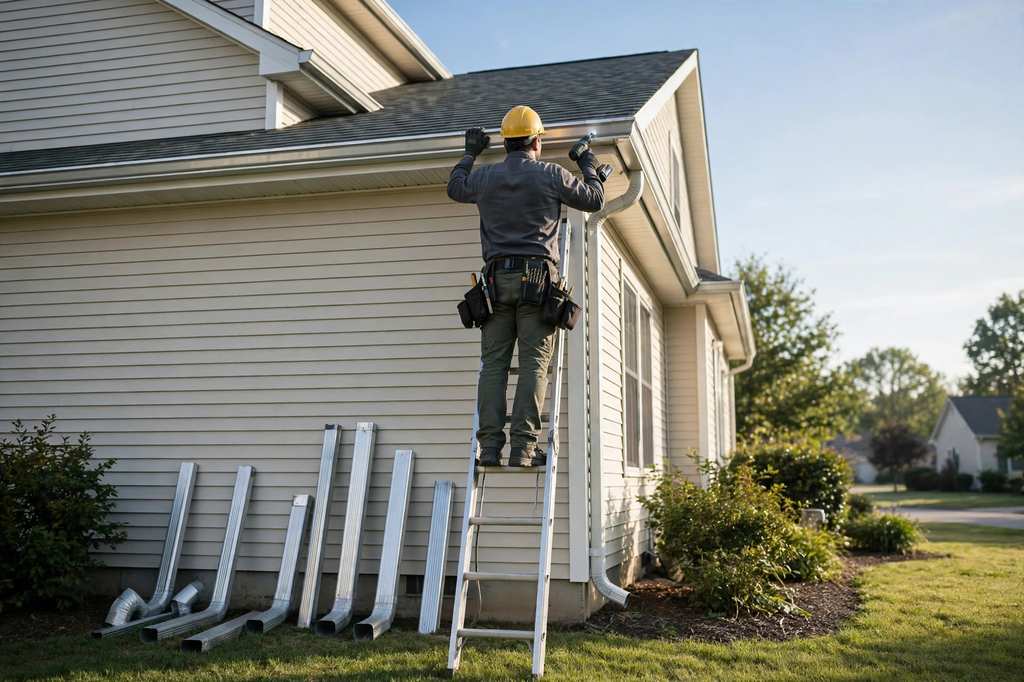
The findings are walked through in plain language. What needs repair now, what can wait, and what the findings mean for the roof's condition are shown. No pressure, no upsell, just the facts.
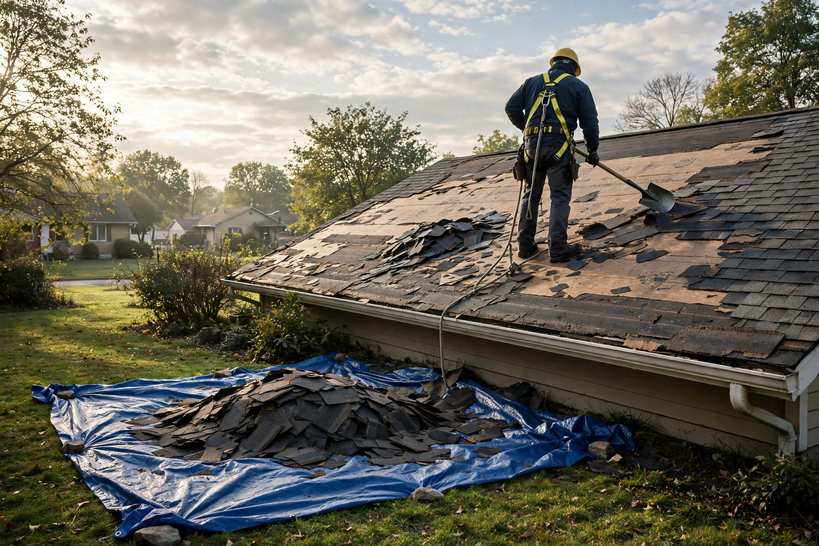
If repairs are needed, a written scope follows. If the roof is sound, that is stated too. Either way, the visit ends with a documented roof check report and a clear plan for what comes next.
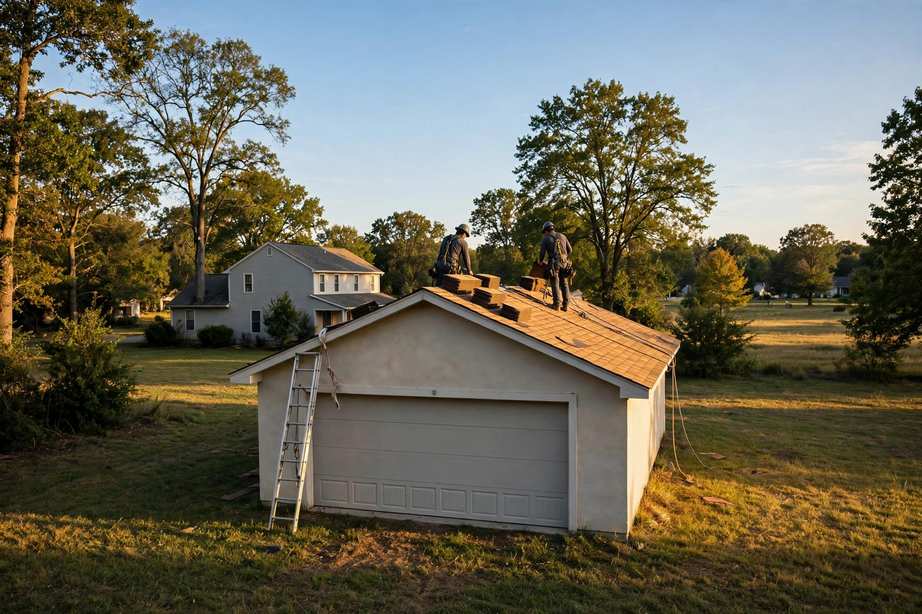
Move across a circle, or focus it and press Enter, for an illustrative thermal view of the photograph.
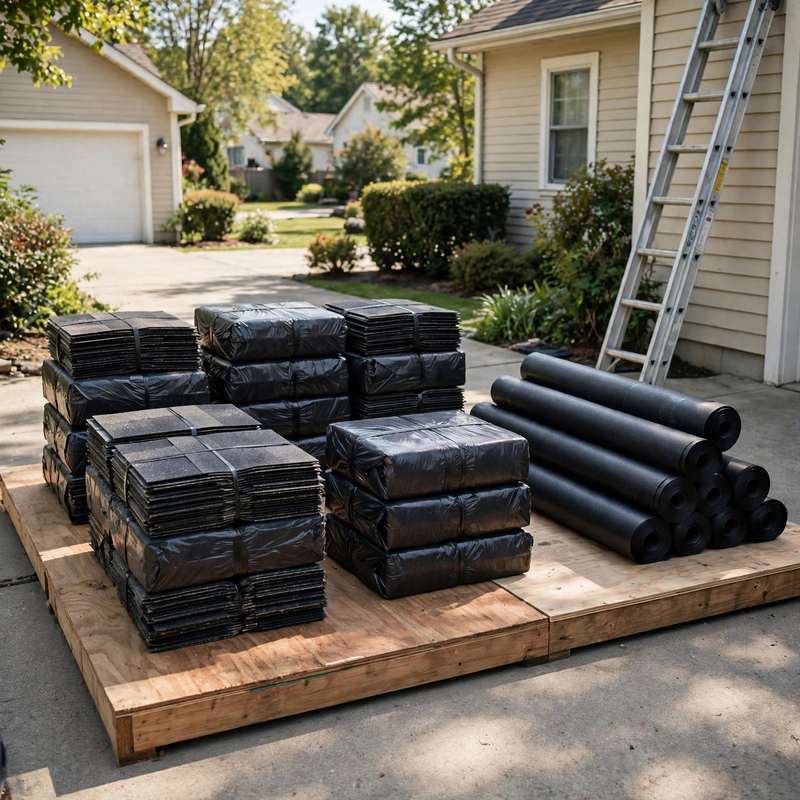
Confirms damp spots in the attic and along flashing so a leak is known active, not just a stain.

Gets the crew safely onto steep pitches so every slope gets walked, not guessed at from the ground.
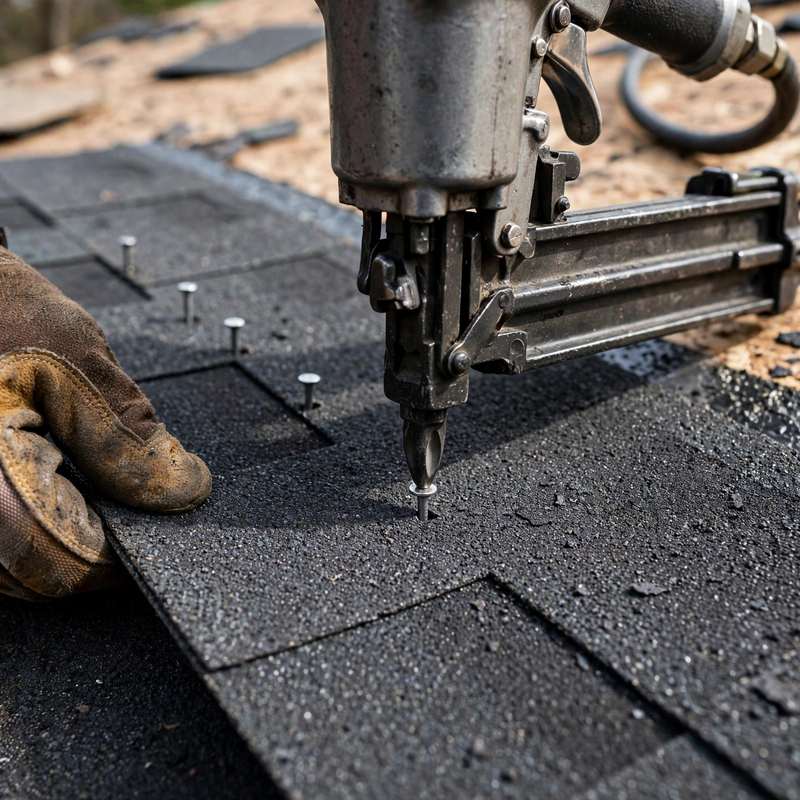
Lifts shingles and flashing to check underneath without causing damage during the inspection.

Marks test areas and helps measure damaged sections accurately for the report.
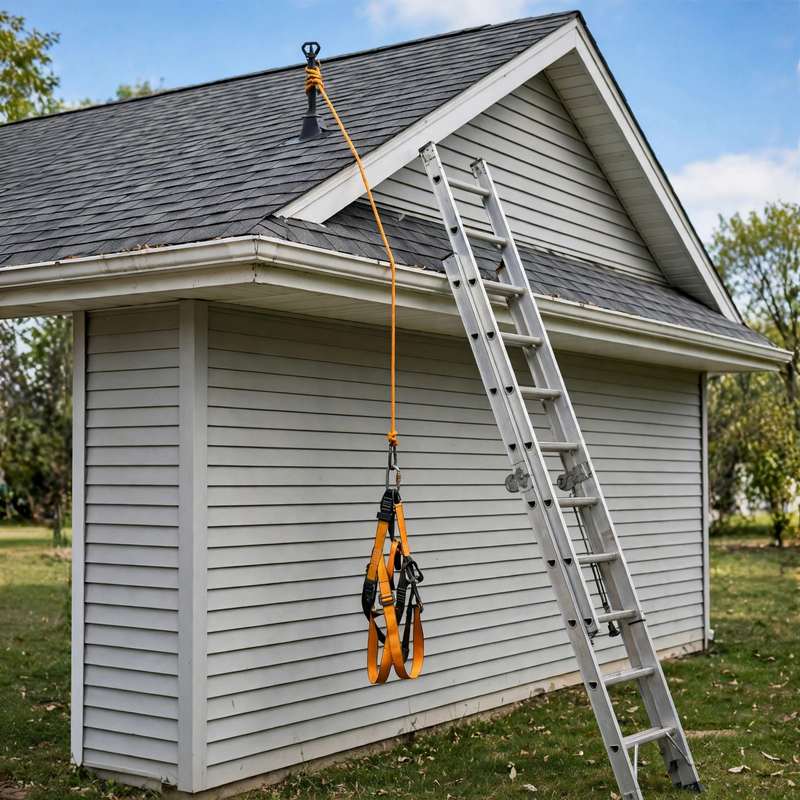
Clears debris from gutters and downspouts so flow and condition can be checked.
Thermal views are illustrative, generated from the photographs.
Photographs every finding so there is a visual record for insurance, real estate, or repair planning.
The same checklist runs on every inspection, covering shingles, flashing, ventilation, and drainage. A consistent checklist keeps reports comparable and thorough.
The attic is checked first to find moisture and daylight, then the work moves outward to the roof surface. This method finds the source of leaks faster than guessing from above.
Every finding is photographed and written up in plain language. The report shows what is failing, what is holding up, and what needs attention now versus later.
Ridge vents, soffit vents, and attic insulation are checked because poor ventilation causes ice dams and shortens roof life. Fixing ventilation often prevents bigger problems.

A storm just rolled through and it is not clear if the roof took damage.
Hail dents, wind-lifted shingles, and flashing damage are inspected, then everything is documented with photos. If damage is found, a report is provided for the insurer's file and repairs are scoped separately. Check the policy, agent, or carrier for coverage questions; this is not insurance advice.
Outcome: A clear answer on storm damage and a documented record, without guessing.
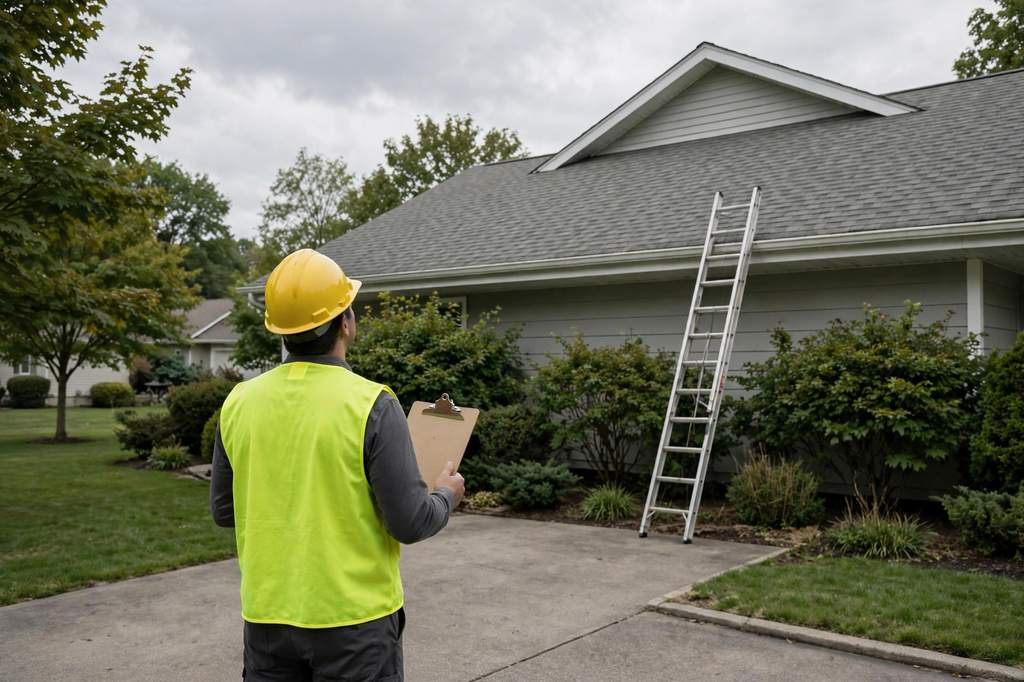
A home is selling and the buyer wants proof the roof is sound.
A roof inspection with a written report and photos is provided. An agent can share it with buyers and lenders, removing roof questions from the negotiation. A certification-style report stating observed condition can be prepared for a sale file or a lender request.
Outcome: The sale moves forward with the roof's observed condition documented.
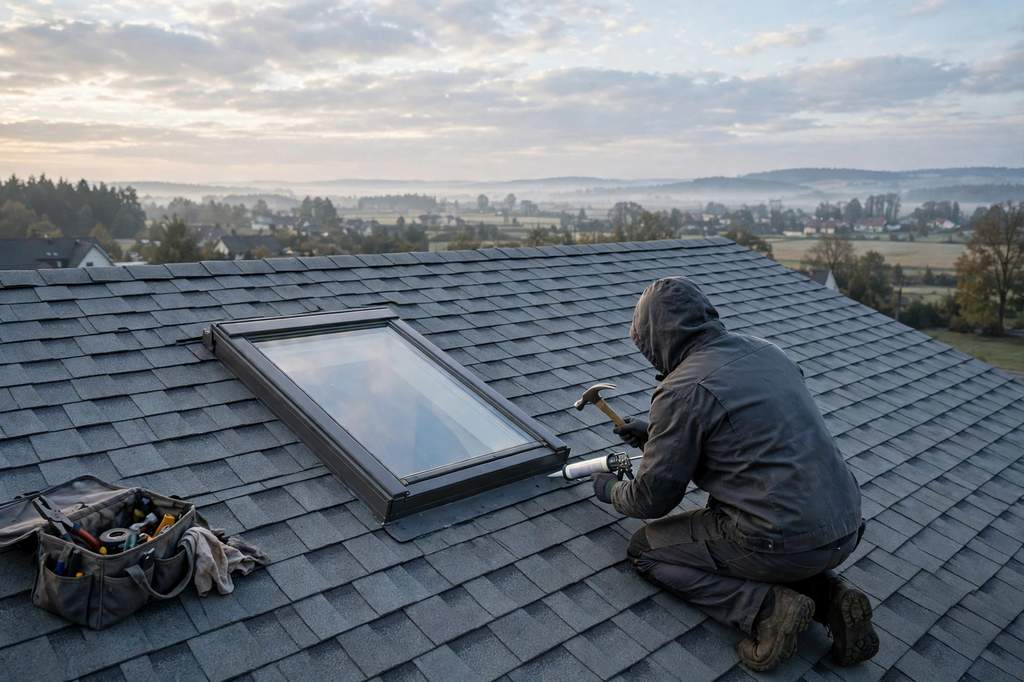
A ceiling stain or attic moisture has shown up and the source cannot be found.
The leak is traced with a moisture meter and attic inspection, the source is found, and the repair is scoped. Photos of the problem and the fix are shared.
Outcome: The leak is addressed, the damage is repaired, and the cause is known.
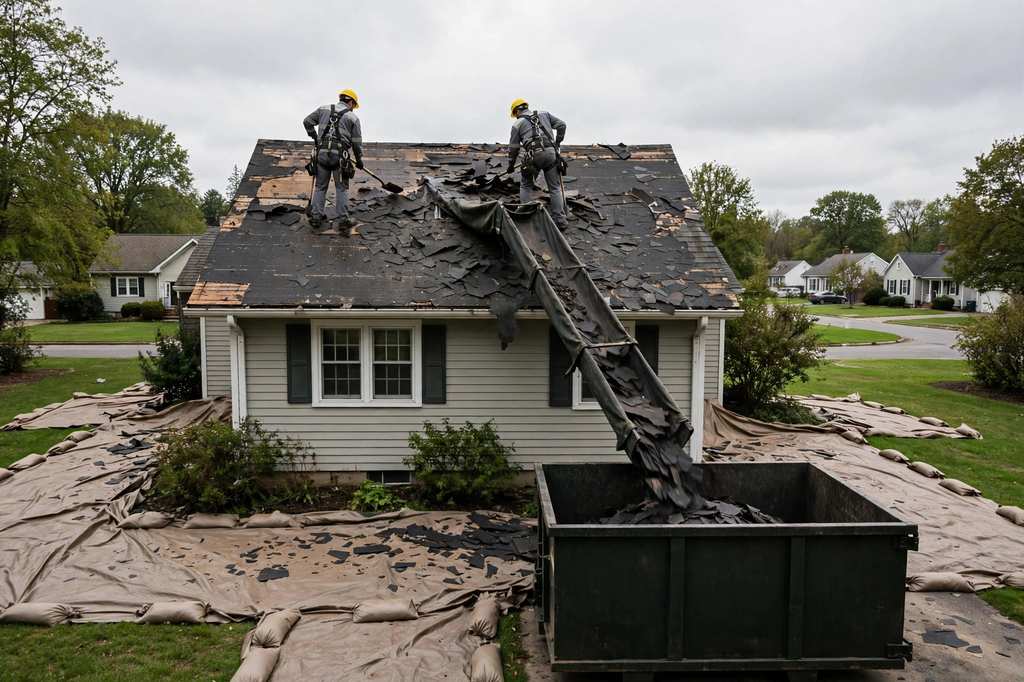
A roof is aging and the current condition needs assessing.
Shingle condition, flashing, and ventilation are inspected, then an assessment of current condition is given. If repairs will extend service life, that is stated. If replacement is coming, planning help follows.
Outcome: Whether to repair or replace is clear, and planning can follow.
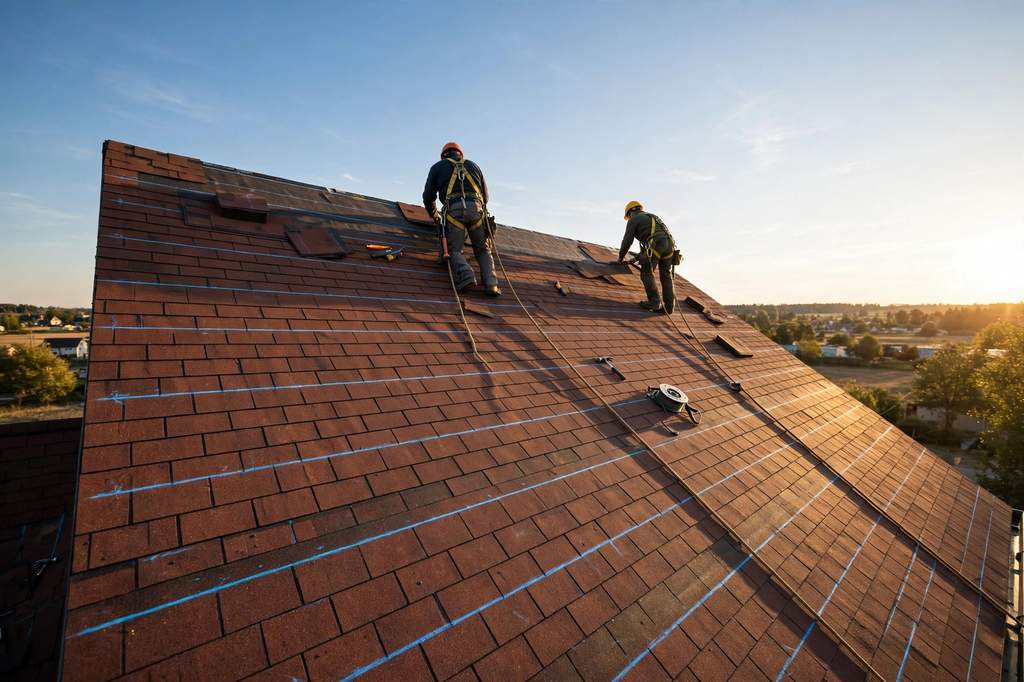
It has been a few years since the last inspection and staying ahead of problems matters.
A regular roof inspection catches small issues before they spread. Shingles, flashing, gutters, and attic ventilation are checked, then findings are documented.
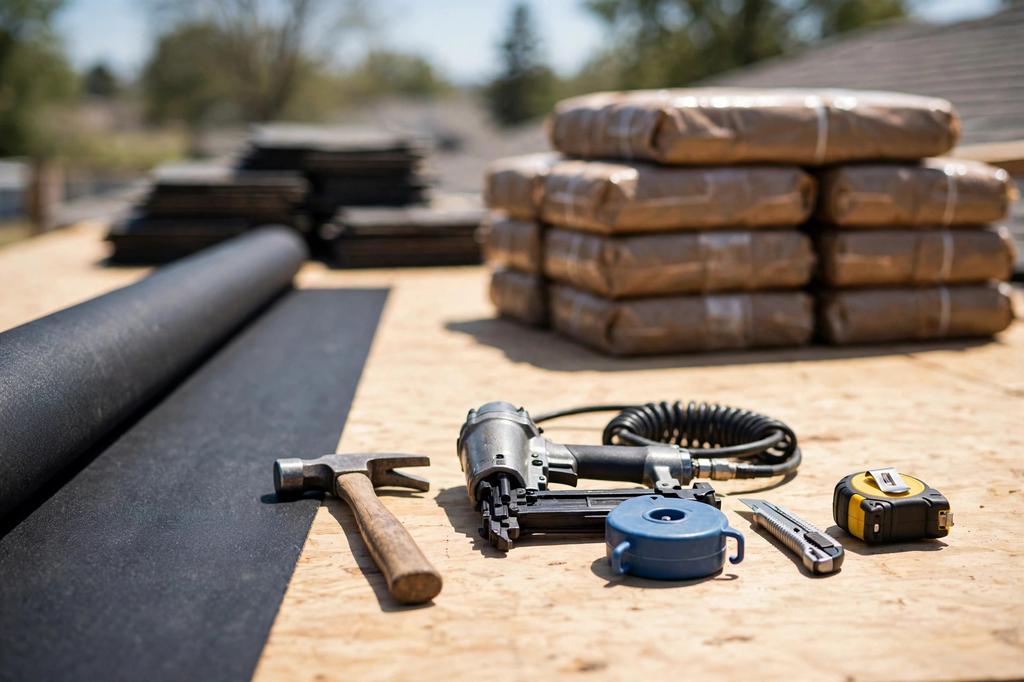
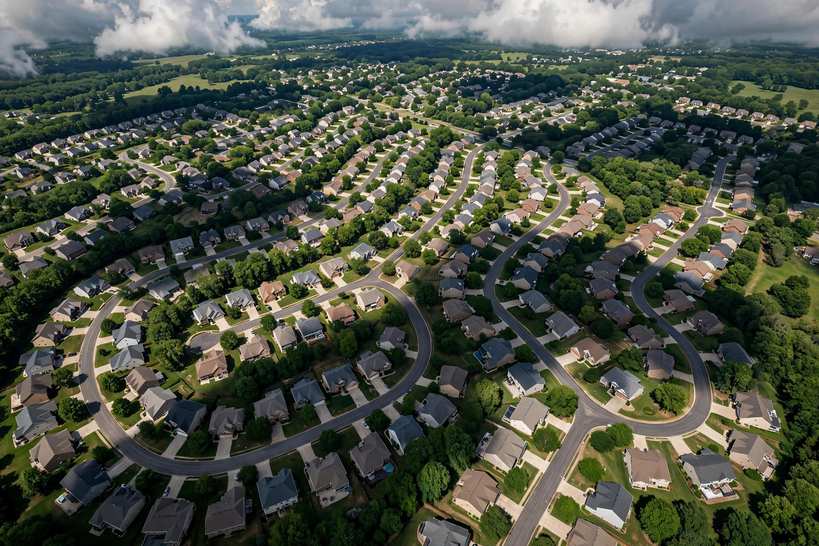
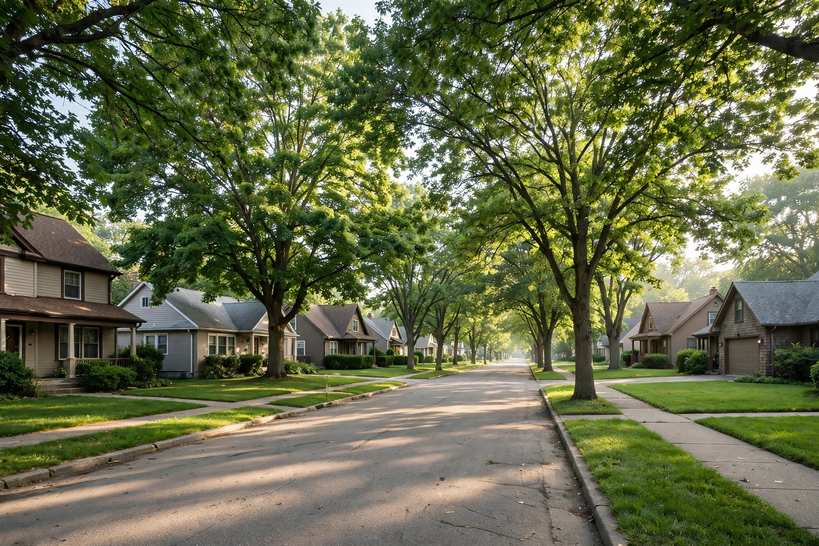
Urbandale roofs face a specific mix of weather: hail in spring and summer, wind year-round, and ice dams in winter. Older areas often have original shingle roofs nearing the end of their life, while newer builds have different ventilation and flashing details. Both are inspected with the same thorough approach.
Inspection work here accounts for local building stock and storm patterns, so damage is looked for where it actually occurs. Call (641) 219-5108 to arrange a visit; the listed hours are Open 24 hours, every day.
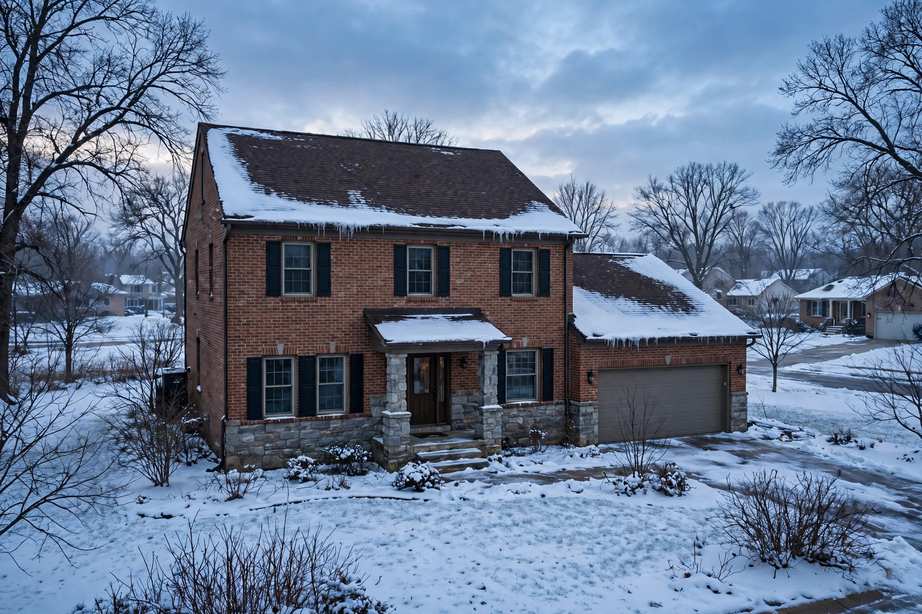
Before: Granules in the gutters showed after a spring hail storm but no damage was visible from the ground. The roof was eight years old.
After: The inspection found bruised shingles across the south slope and two dented ridge vents. Damaged areas were documented with photos, and the report went to the insurer's file.
Before: A ceiling stain appeared near the chimney after a winter thaw. The source could not be found and a roof replacement was feared.
After: The leak was traced to failed chimney flashing and repaired. The repair was scoped from the inspection findings.
Flashing and sealant are checked during every inspection and resealed as needed to prevent future leaks.
Before: A seller needed a roof inspection before closing. The buyer was concerned about the roof's age and wanted proof it was sound.
After: The report showed the roof's observed condition, with two minor repairs needed. The buyer accepted the report, and the sale closed without a roof-related price reduction.
The two minor repairs were scheduled and regular inspections were recommended to keep the roof in good shape for the new owner.
Most roof failures start small. Here are the problems inspections catch before they turn into expensive repairs.
A good inspection catches small problems before they become expensive repairs.
A slow leak can rot decking for months before a stain shows.
Hail and wind damage is not always visible from the ground. Every dented shingle and bent ridge vent is photographed, giving a documented report to hand to an insurance adjuster. Check the policy, agent, or carrier for coverage questions; this is not insurance advice.
Buyers and lenders want proof the roof is sound. A roof inspection gives a written report with photos, so a sale does not stall over a question about shingle condition or attic ventilation.
A regular roof inspection catches curling shingles, clogged gutters, and failing flashing before they spread.
Clear records to keep and share.
Every finding photographed and labeled
What needs repair now versus later
Moisture and ventilation findings
Clogs and drainage issues noted
Not every inspection is the same. Here is the difference between a quick check and a full documentation report.
A visual walk of the roof surface
Roof, attic, and flashing review
Photo report for insurance or sale
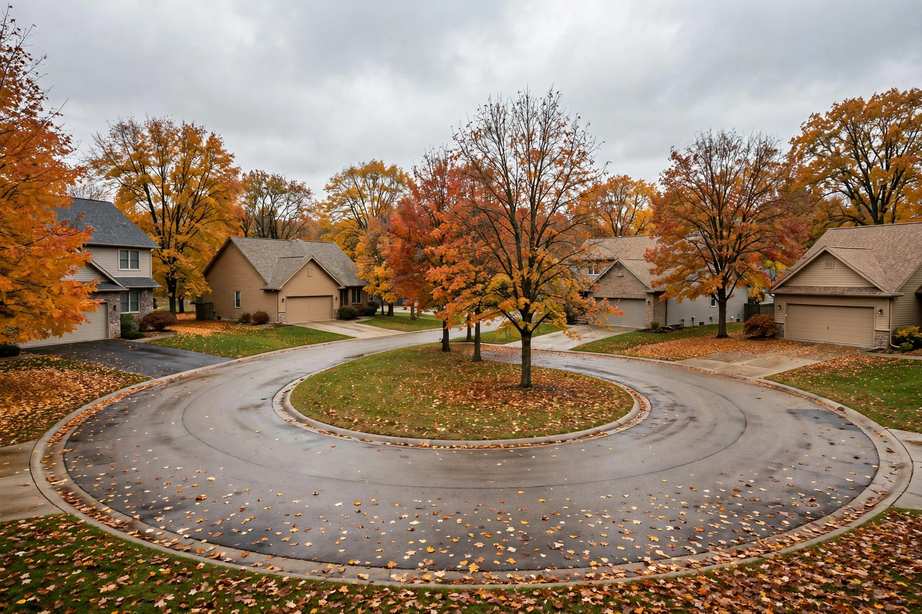
A mailing address can carry a neighboring city's name, and an Urbandale address can carry a neighboring ZIP code. A parcel record settles which city governs an address. Call and ask about a specific street.
The pages below hold roofing information for Urbandale plats and districts. Each page describes its area. Call and ask about a specific street.
This business publishes no prices on this site, and no inspection fee is stated anywhere on it. Call (641) 219-5108 to ask about the scope of an inspection. A written scope comes before any repair work begins.
Clear access to the attic hatch, a note of any leaks or storm history, and access to the roof perimeter. The inspection covers the roof walk, the attic check, and a review of findings; no duration is stated on this site, and no drone use is claimed.
A full inspection covers shingles, flashing, ridge vents, skylights, gutters, downspouts, and attic ventilation. Missing shingles, curling, hail damage, ice dam evidence, and moisture intrusion are checked. A photo report shows every problem area and explains what needs repair now versus later.
A pre-purchase or pre-sale inspection gives buyers proof of the roof's observed condition and flags issues before they become negotiation points. A written report with photos can be shared by an agent, and a certification-style report stating observed condition can be prepared for a sale file or a lender request.
Related pages from the services list.
Call Rocc Solid Construction at (641) 219-5108 for a documented roof inspection report. The roof is walked, the attic is checked, and a straight answer follows. The listed hours are Open 24 hours, every day.
Call (641) 219-5108 to talk about a roofing question. The office is at 3815 109th St, Urbandale, IA 50322, United States, and the listed hours are Open 24 hours, every day.