For Homes
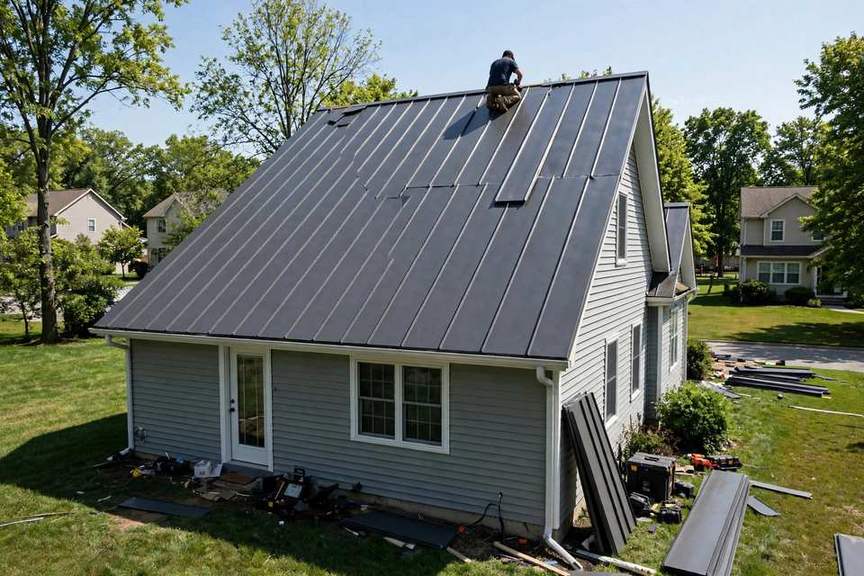
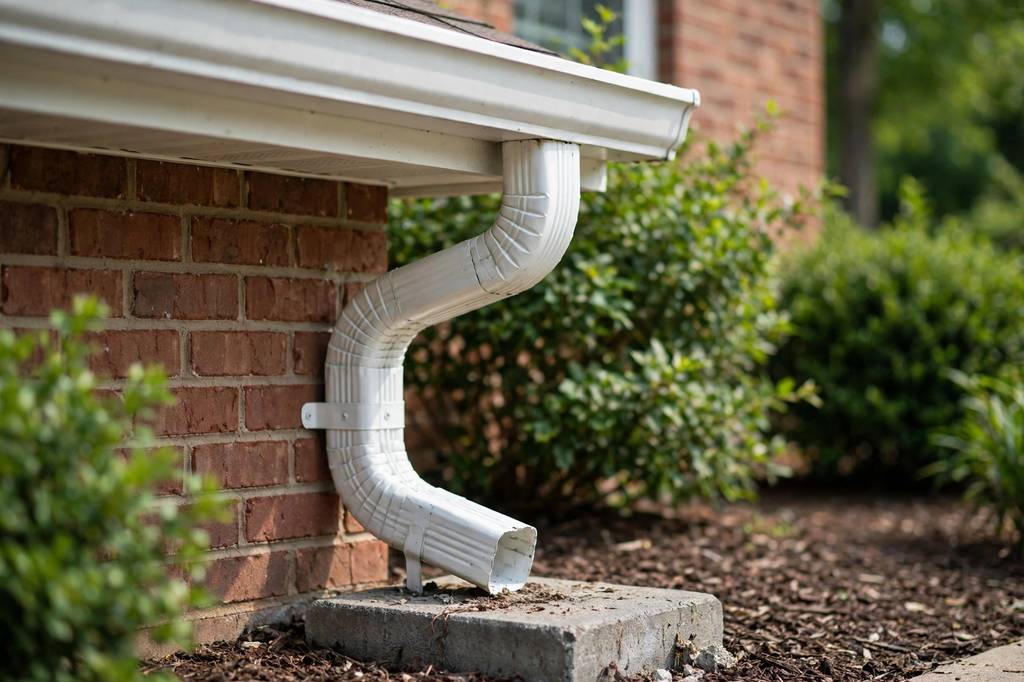
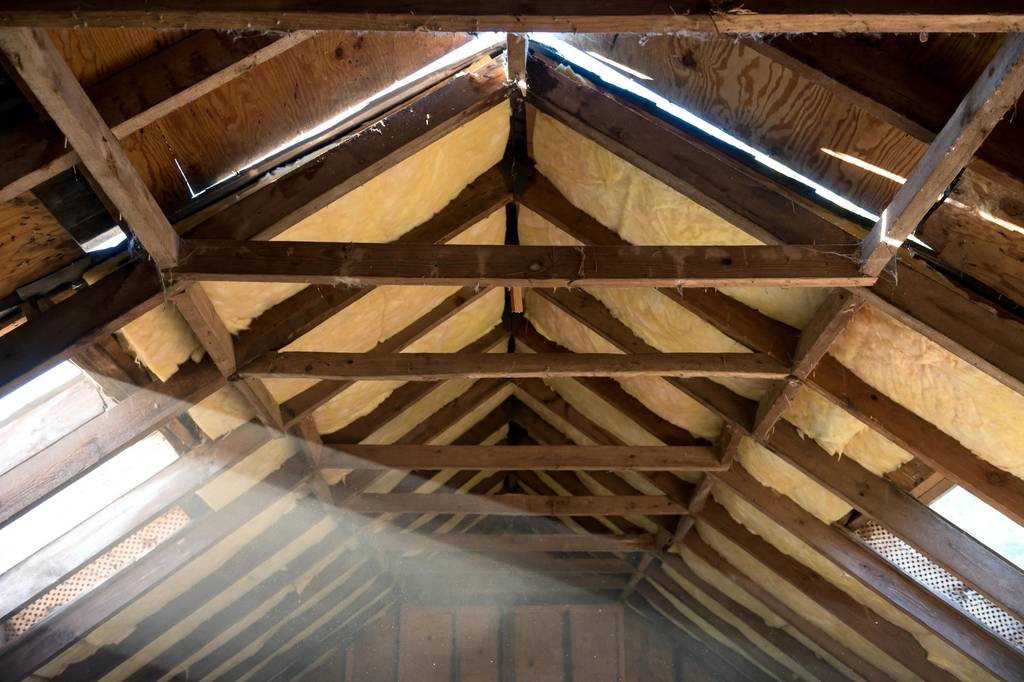
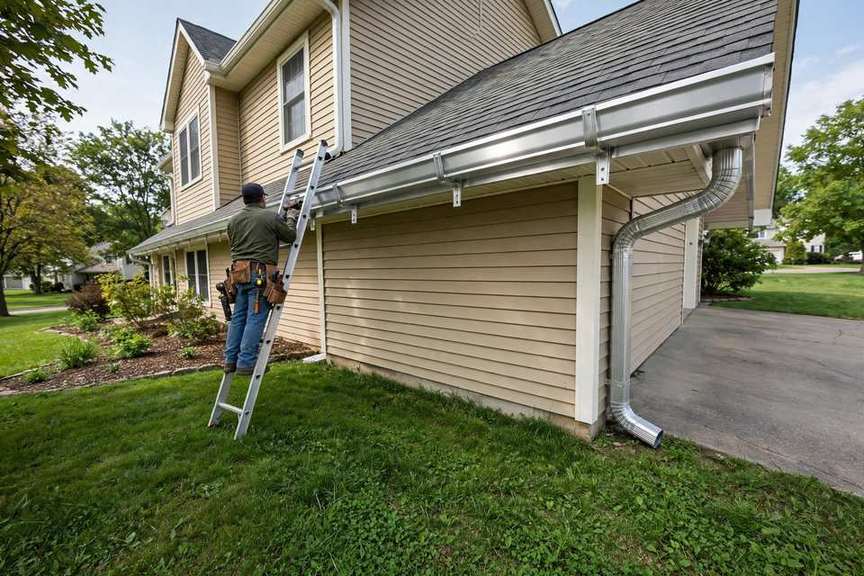
Homes with flat additions or steep-slope sections get the same inspection and photo record. Flashing, vents, and gutters are checked before anything is scoped.
- Flat addition leaks
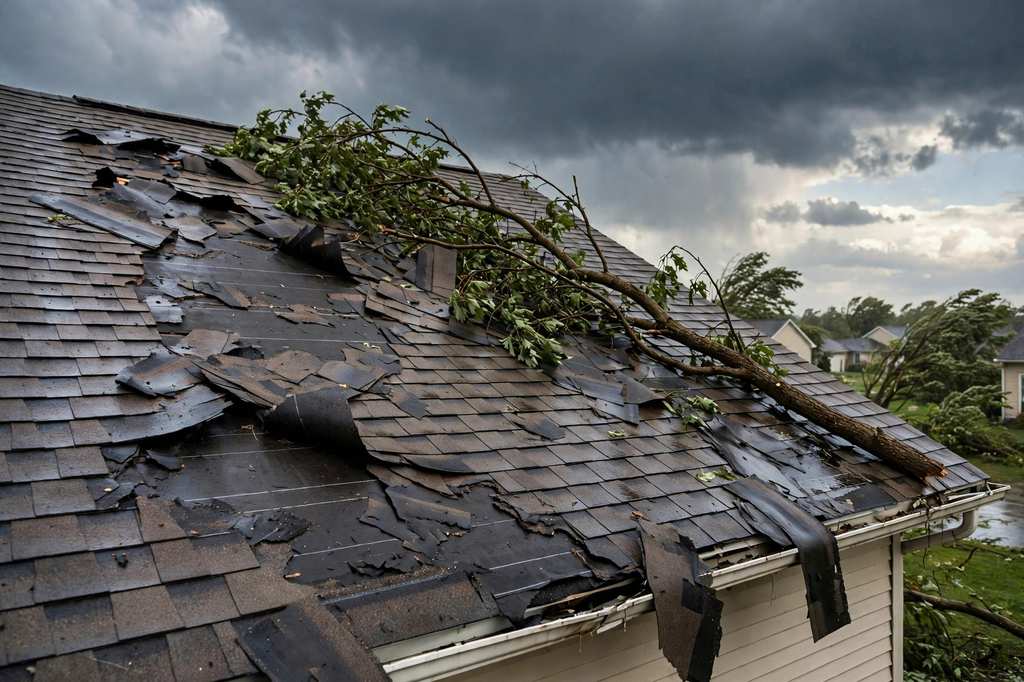
- Storm damage repair
- Gutter and downspout work
Commercial roofing Urbandale building owners need covers flat roofing, membrane systems, metal panels, and full tear-offs for warehouses, retail strips, and office buildings. The roof is inspected and measured, and what it actually needs is stated before any work starts. Residential roofing is the site default; this page is the commercial scope.
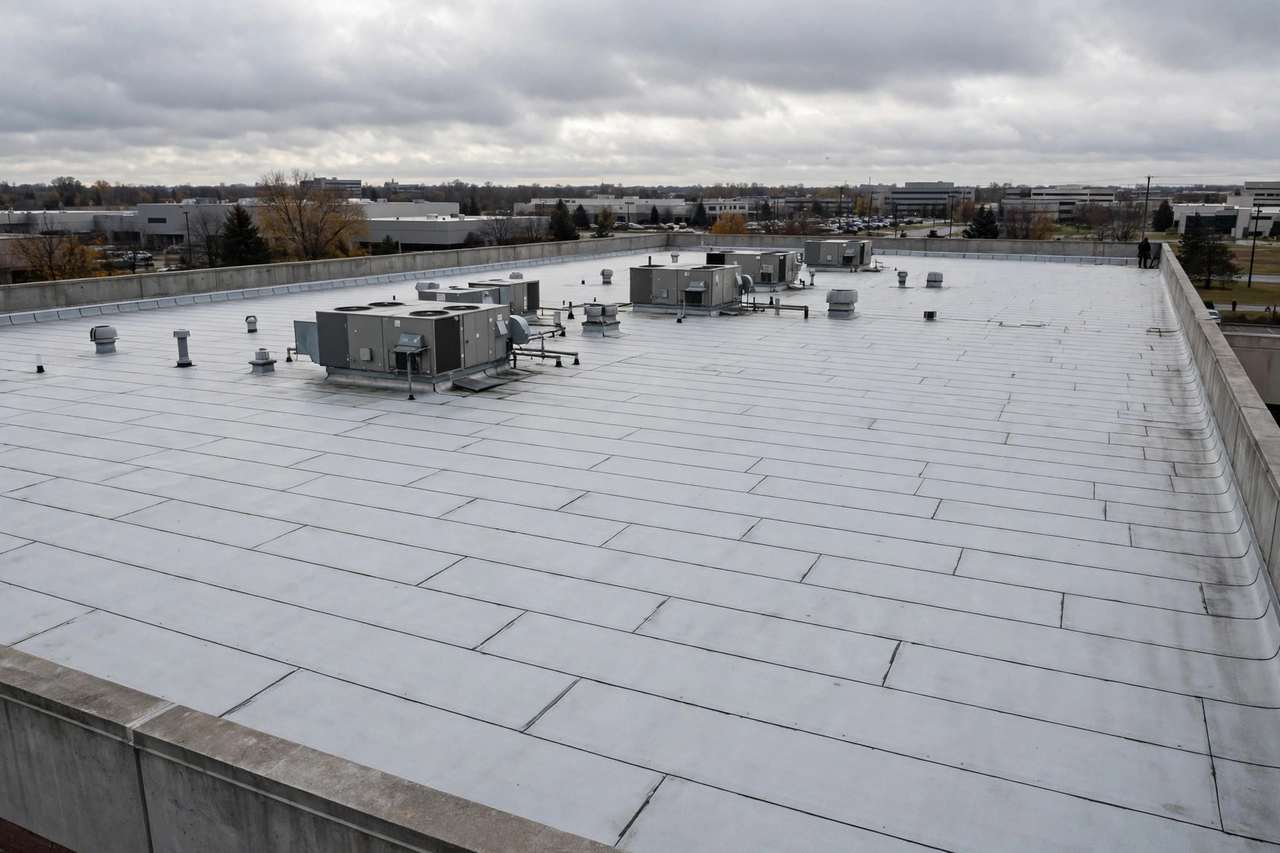 Deck checkSeam probeDrain test
Every commercial roofing project includes the core work that makes the roof last. A few items depend on the building and are described separately after the inspection, and which is which is stated before anything is signed.

Deck check, moisture meter readings, seam and flashing inspection, and a written condition report with photos of every deficiency found.
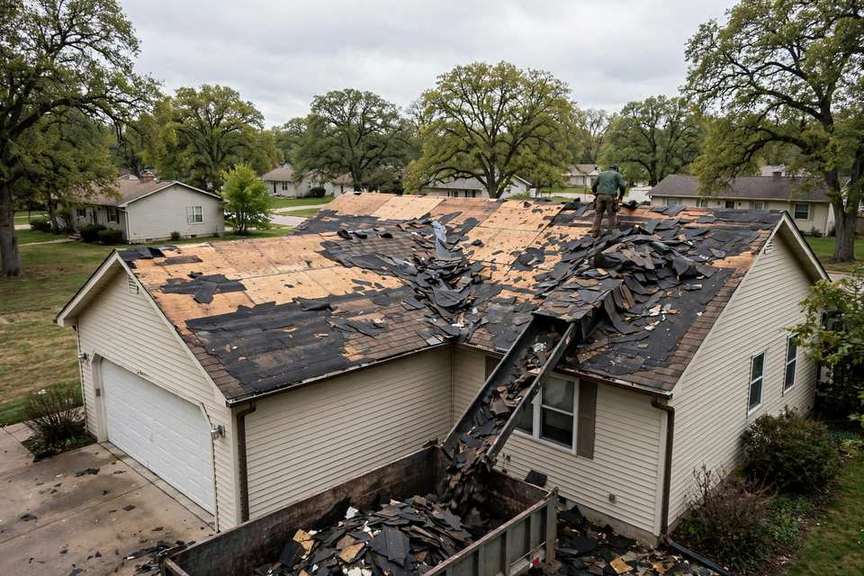
Removal of the old membrane or shingle down to the deck, with dumpster placement that keeps the lot usable and disposal handled to code.
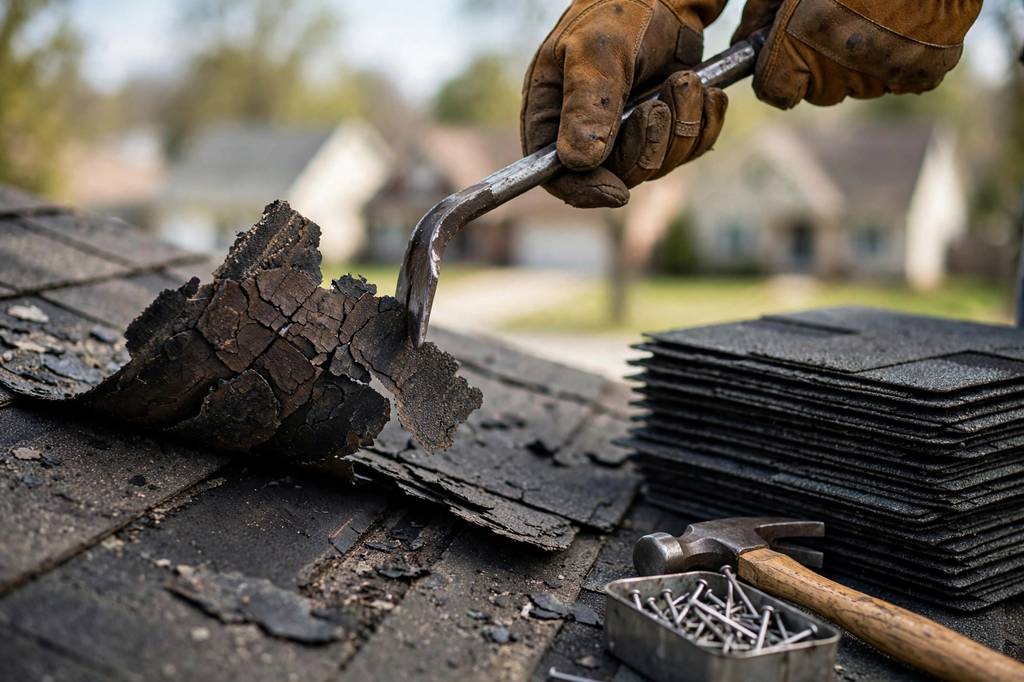
Rotted sheathing is replaced before the new system goes down, so the membrane has a solid surface and the fasteners hold.
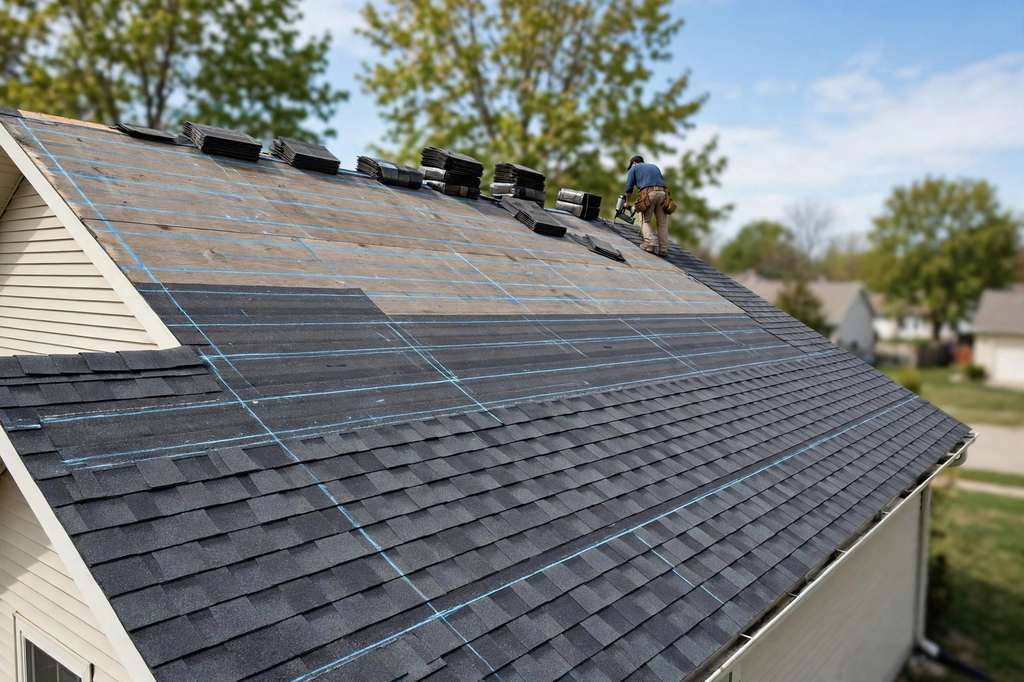
Membrane welded and terminated correctly, with code-correct roof flashing at every curb, wall, and penetration.
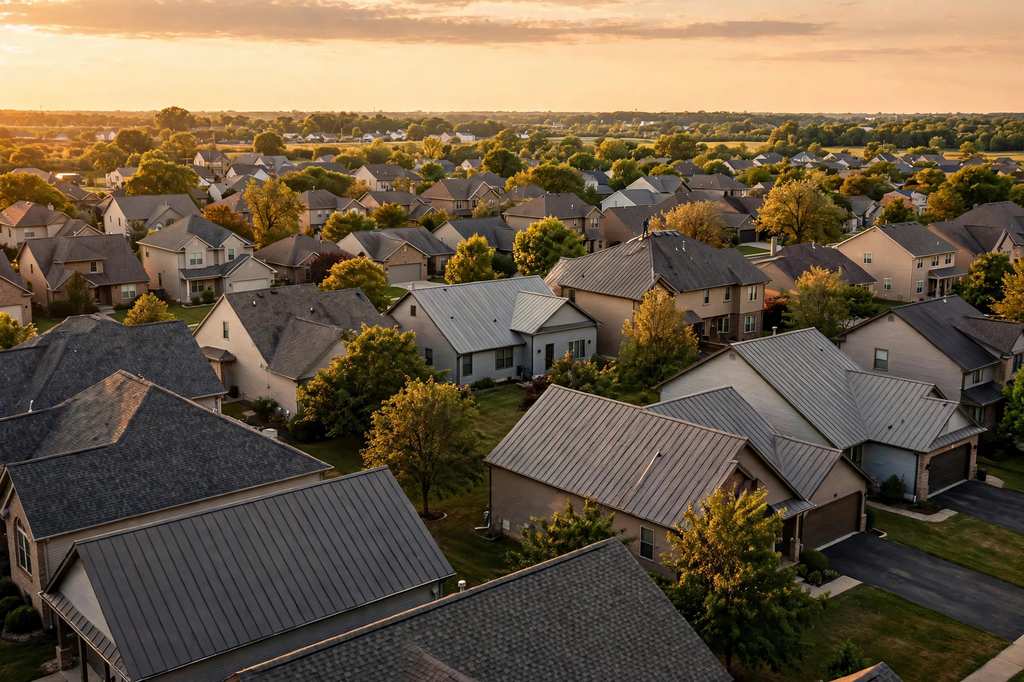
The approach is the same for a home and a business. What changes is the access, the schedule, and who needs the paperwork.
Homes with flat additions or steep-slope sections get the same inspection and photo record. Flashing, vents, and gutters are checked before anything is scoped.
Business owners and property managers get a written scope, photo documentation, and scheduling that works around operating hours. The lot stays usable while work runs.
A plain-language look at what commercial roofing involves and when it is needed.
See how it worksCommercial roofing in Urbandale is the design, installation, repair, and maintenance of low-slope and steep-slope roof systems on business properties, and it is needed the moment a seam opens, ponding water appears, or a hail event damages a membrane. On a typical commercial building here, that means TPO membrane, EPDM membrane, modified bitumen, or standing seam metal over a deck that has to shed water fast. The work starts with a moisture meter and a full deck inspection, then the system is built around what the building can carry. The City's adopted 2018 IBC governs commercial work, including its roofing chapter.
Most commercial roofs opened up have the same story: a flashing failure at a curb or penetration that went unnoticed for two winters, then ice dams pushing water back under the membrane. Every deficiency is documented with photos so decisions use real information. The flat versus pitched post compares roof forms, and the wind damage post covers what to look for after a storm.
A commercial roof fails at the flashing and the seams first, so that is where the inspection looks.
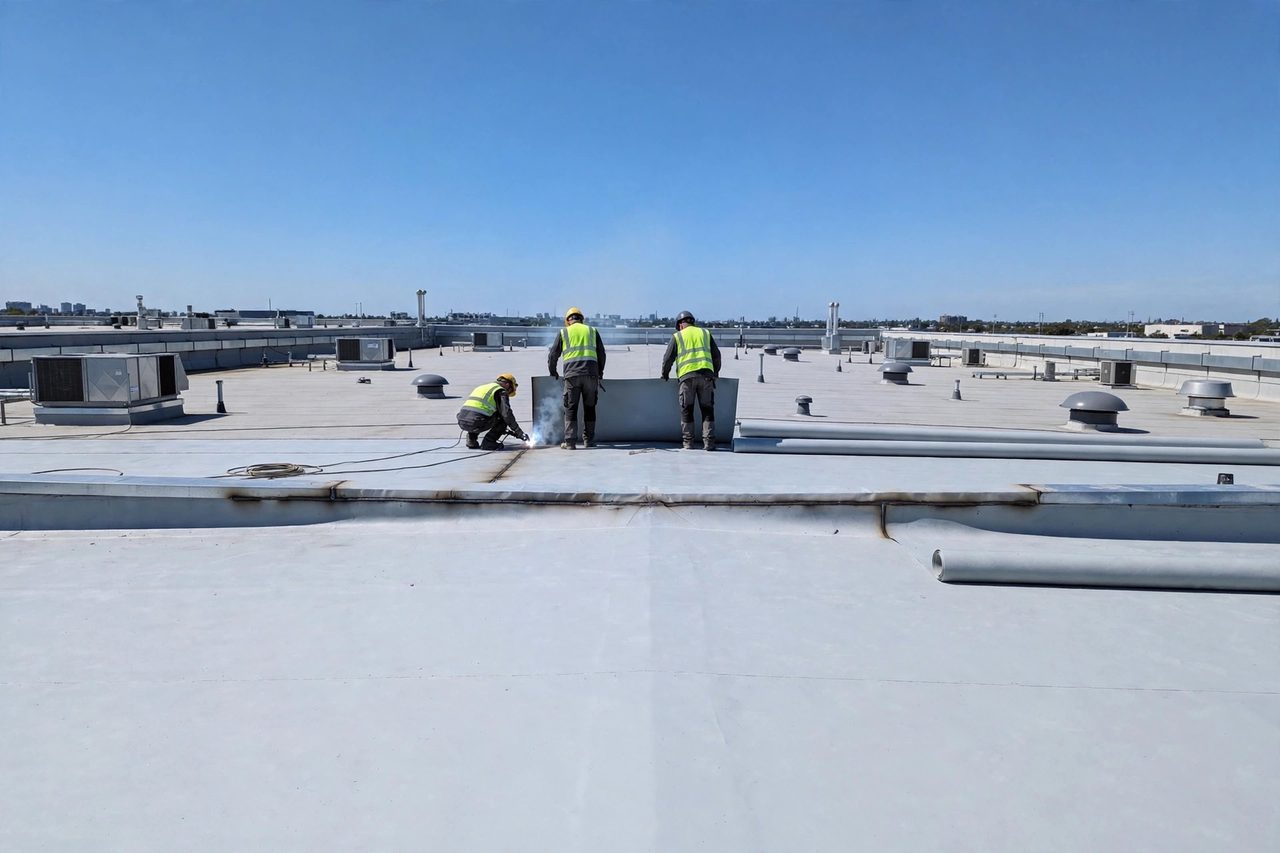
No mystery. Here is the sequence from first call to final walk-through on a typical commercial job.
The roof is walked, deck deflection is checked, seams are probed with a moisture meter, and every deficiency is photographed. A written condition report with the problem areas marked follows the inspection.
The repair or replacement is scoped item by item: membrane, insulation, flashing, edge metal, tear-off, and disposal. Each item is visible so bids can be compared on the same basis. A start date is set that works around business hours.
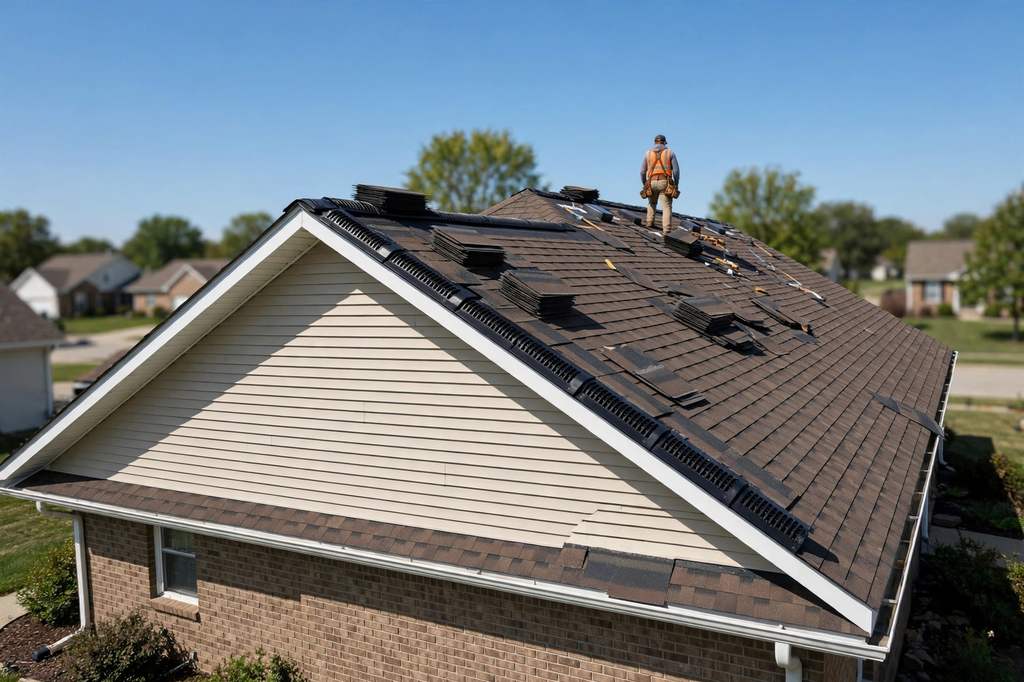
Materials are ordered and a start date is set that works around business hours. Whether a permit applies to a given scope is not stated on this site: no City source located for this site states a roofing permit trigger, threshold, or repair distinction, so no claim about permits is made here.
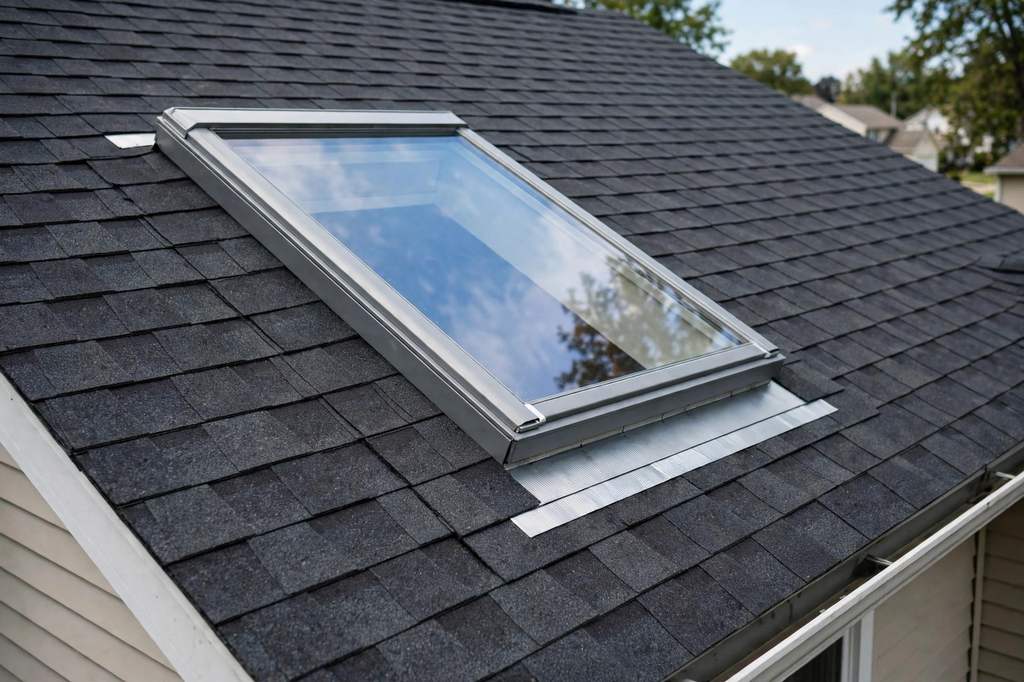
The lot is protected with tarps and a dumpster placement that keeps customer parking open. Tear-off runs to the deck, rotted sheathing is replaced, ice and water shield and underlayment go in, then the membrane or metal system is set and every seam is welded or fastened to spec.
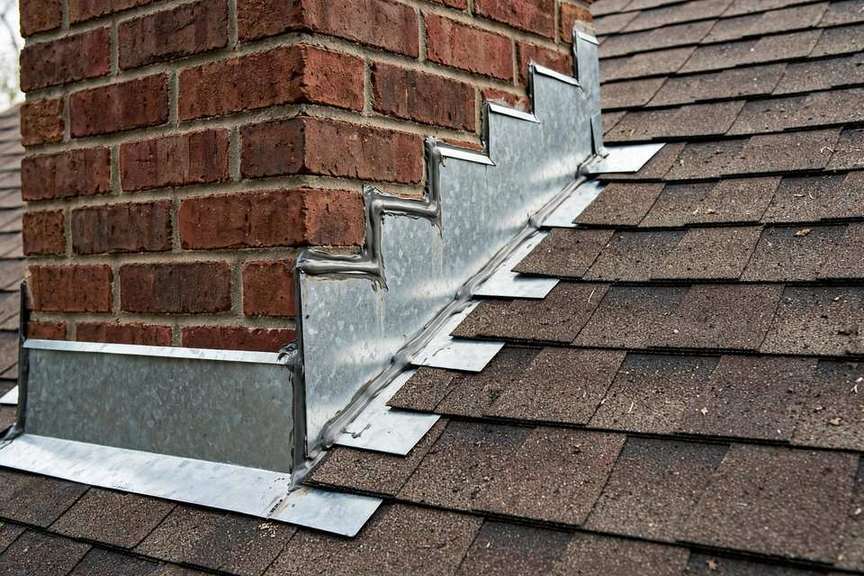
The site is cleaned, a water test runs on the new drains, and the roof is walked together. If anything needs a return visit, it is scheduled before leaving the lot.
Move across a circle, or focus it and press Enter, for an illustrative thermal view of the photograph.

Reads moisture in insulation and decking so the actual leak source is found instead of guessing from the ceiling stain.
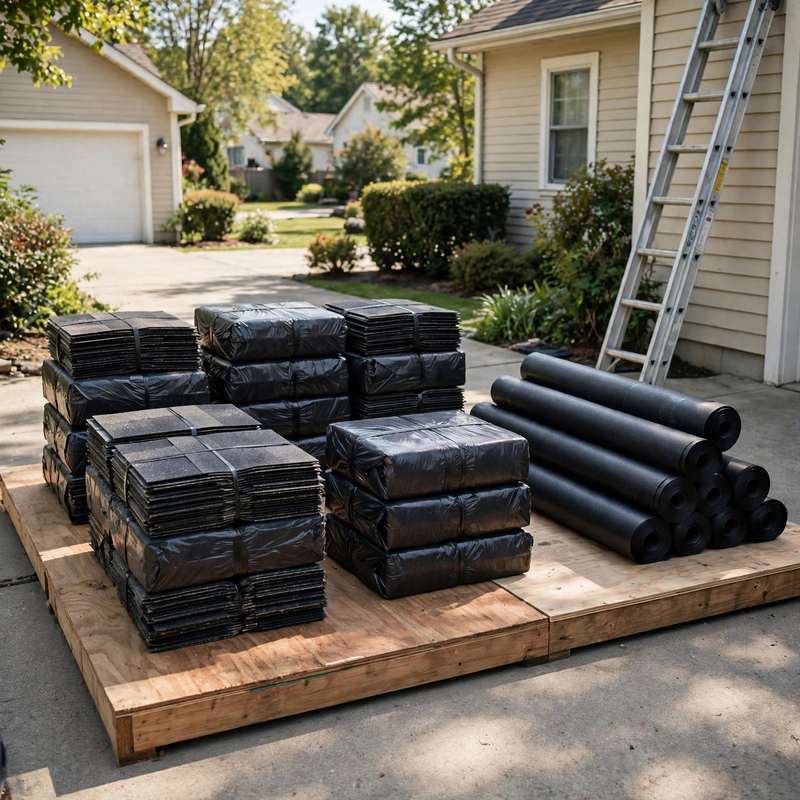
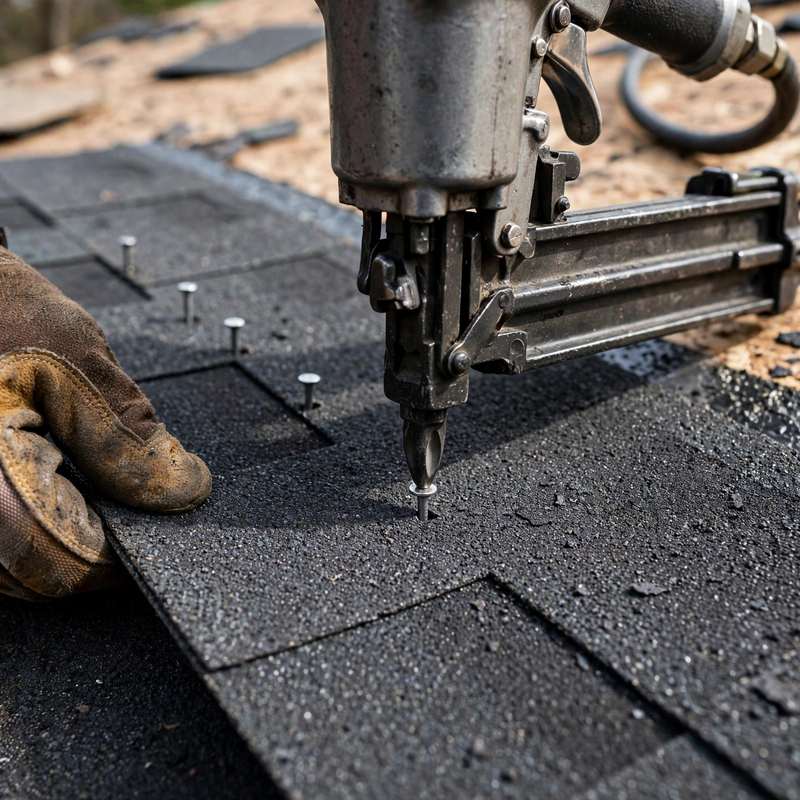
Fastens shingle and underlayment sections on steep-slope commercial roofs to the correct depth.
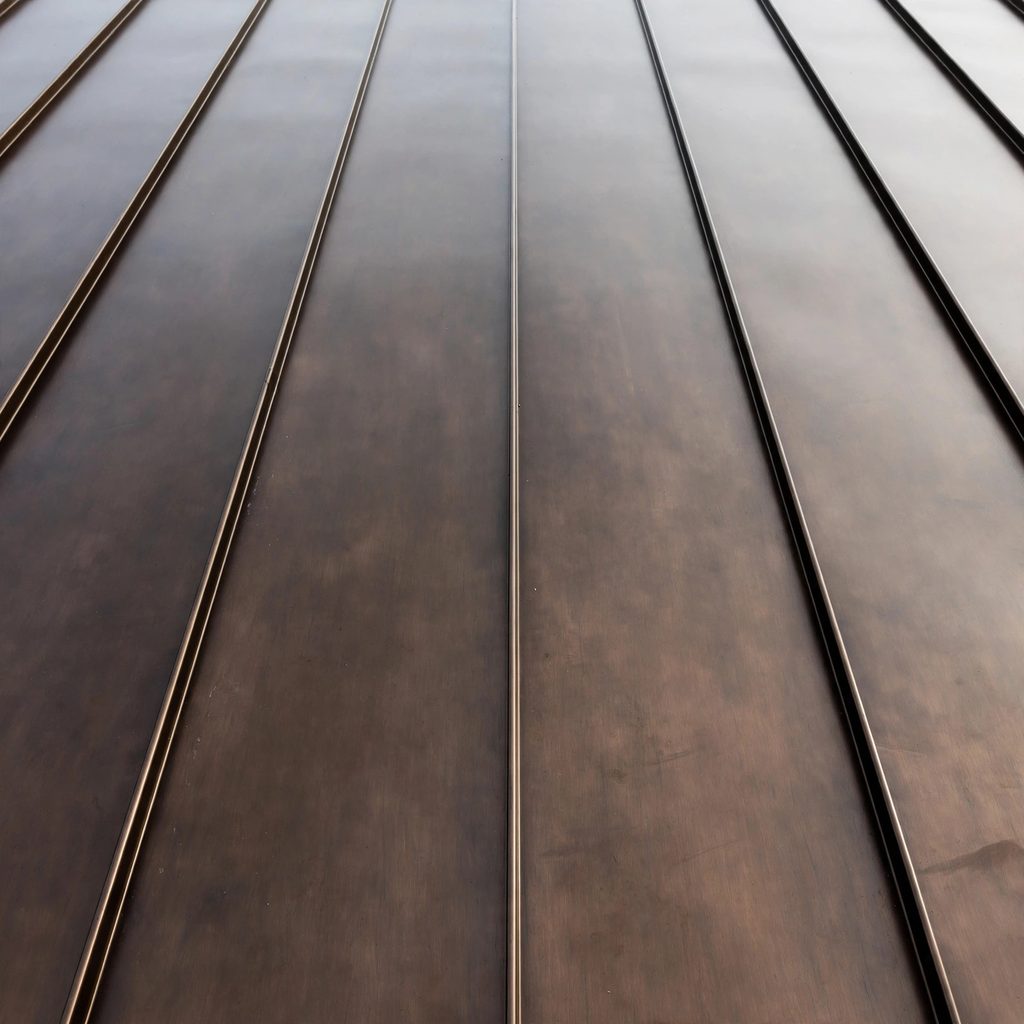
Layout and tear-off work, keeping membrane lines straight and removing old flashing without damaging the deck.
Fall protection and safe roof access on every job, set up before anyone steps onto the deck.

Welds membrane seams to manufacturer spec so the seam holds with the field membrane.
Thermal views are illustrative, generated from the photographs.
Clean cuts on membrane, underlayment, and shingles so edges seal properly and the finished roof looks right.
A grid of moisture meter readings across the roof shows where the wet insulation is, so only what needs replacing is replaced instead of tearing off a sound roof.
Controlled water tests on drains and suspect areas confirm the leak source before anything is opened up, saving unnecessary tear-off.
Before, during, and after photos of every flashing, seam, and drain, organized by roof section and handed over at the final walk-through.
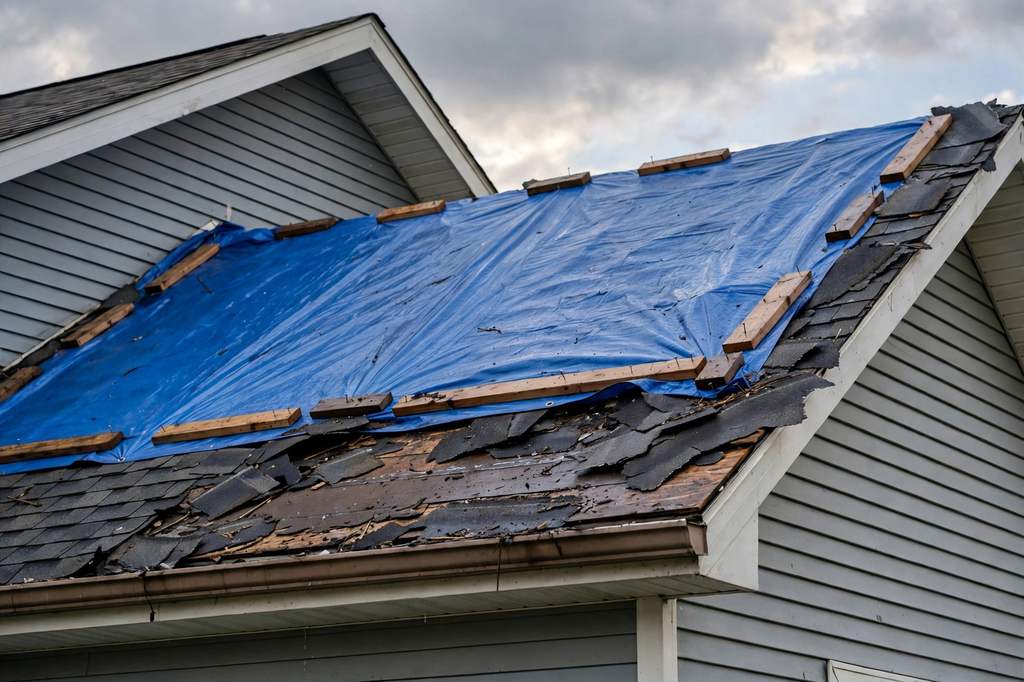
A retail strip center with an aging membrane roof starts leaking at two curb flashings before the holiday season.
The full roof is inspected, the flashing failures are repaired, and every penetration is resealed while the crew is up there. If the membrane has enough life left, a section repair is scoped instead of a replacement.
Outcome: The leaks are addressed before the busy season, and the owner gets a plan for the eventual replacement.
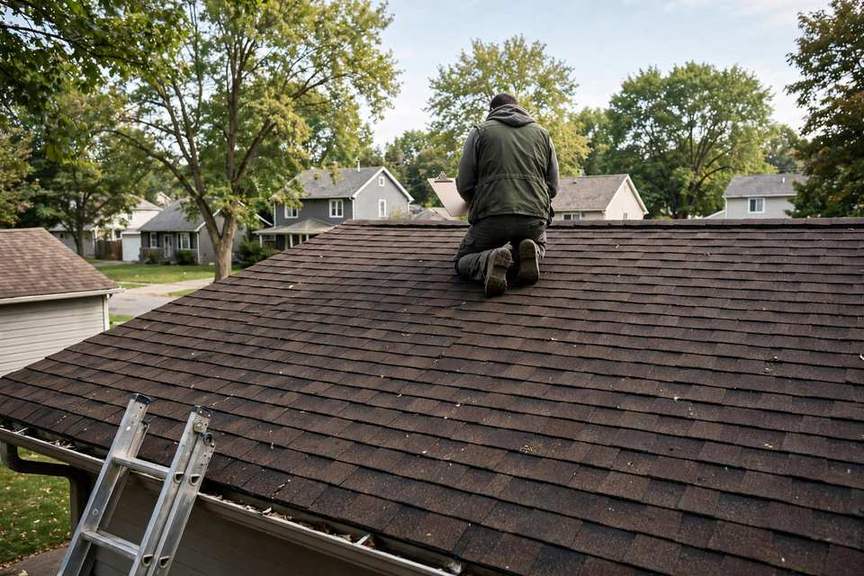
A warehouse takes hail damage and the insurer needs documentation.
The roof is walked, granule loss and membrane bruising are photographed, and a damage report keyed to the storm date is produced. The documentation is written for the insurer's file. Check the policy, agent, or carrier for coverage questions; this is not insurance advice.
Outcome: The damage is documented with a photo record on file, and the roof is repaired to spec.
An office building in Downtown Urbandale has ponding water that has gotten worse every year.
Drain pitch and insulation are checked, the clogged drains are cleared, and a new drain goes in where the roof cannot shed water. Tapered insulation corrects the low spot.
Outcome: Water leaves the roof after every rain, and the membrane stops taking on extra load.
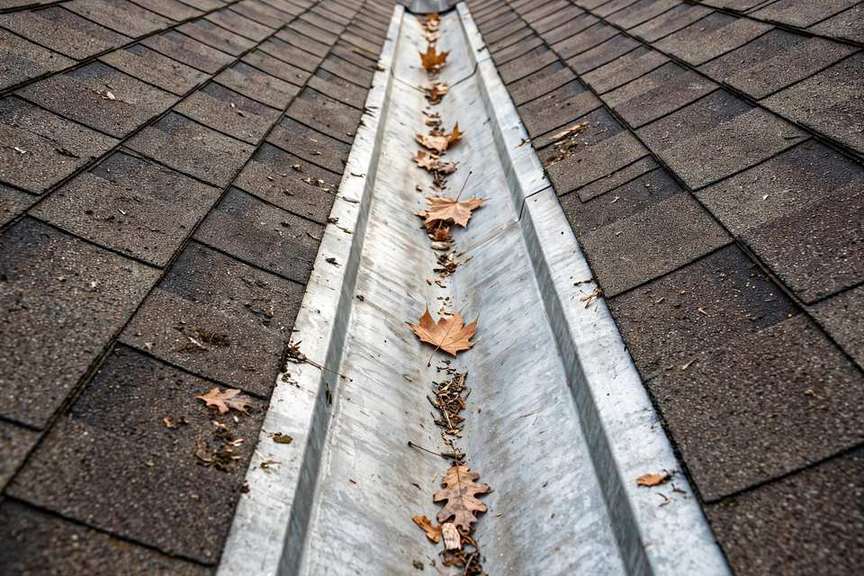
A property manager needs scheduled walk-throughs for three commercial buildings and no time to manage them.
A spring and fall schedule is set, gutters and drains are cleared, flashing is resealed, and a written condition report with photos follows each visit.
Outcome: Small failures get caught before they become interior damage, and the manager has a paper trail for ownership.
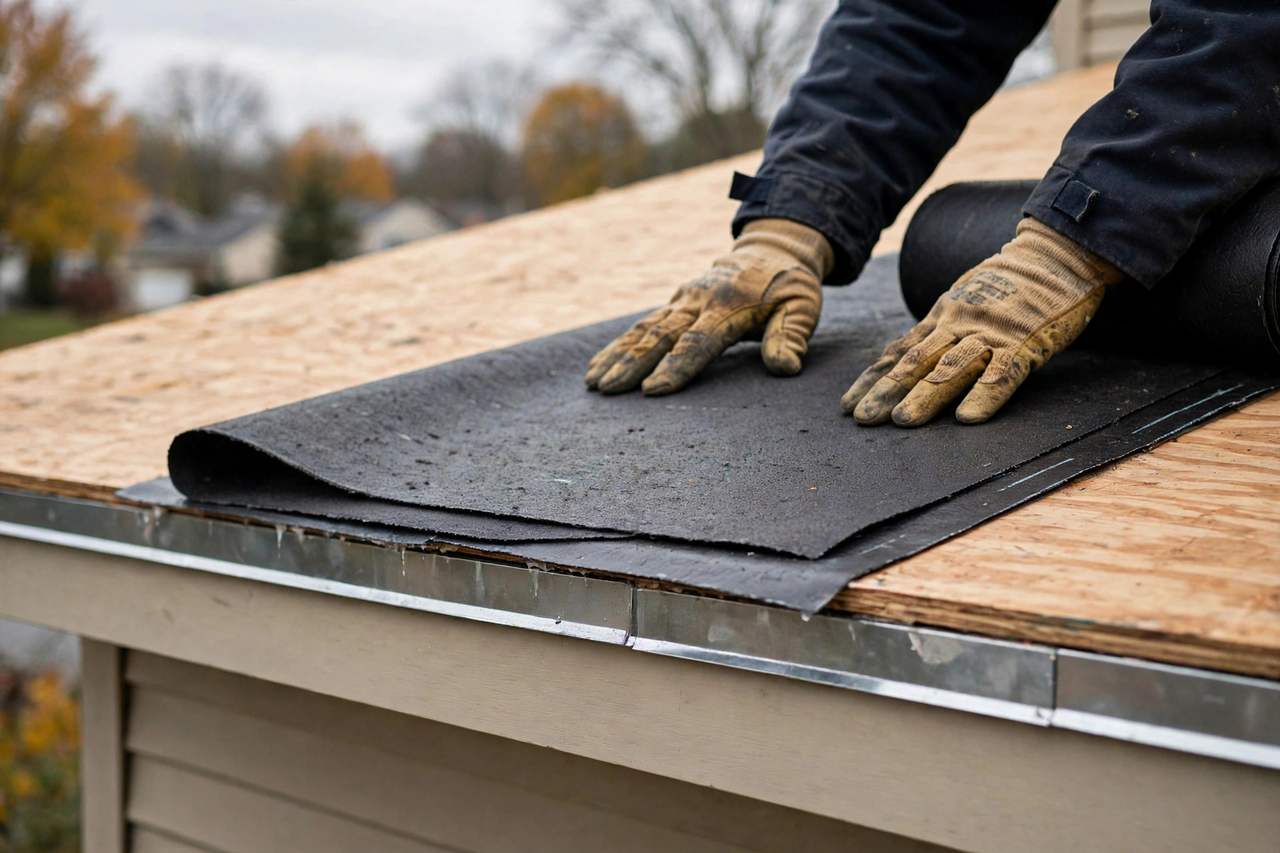
A restaurant has a roof leak over the kitchen during a storm and cannot close.
The roof is covered, the leak is traced to a flashing failure, and the permanent repair is made when the weather clears. Work is arranged around business hours.
Outcome: The kitchen stays open, and the repair is done right instead of patched until the next storm.
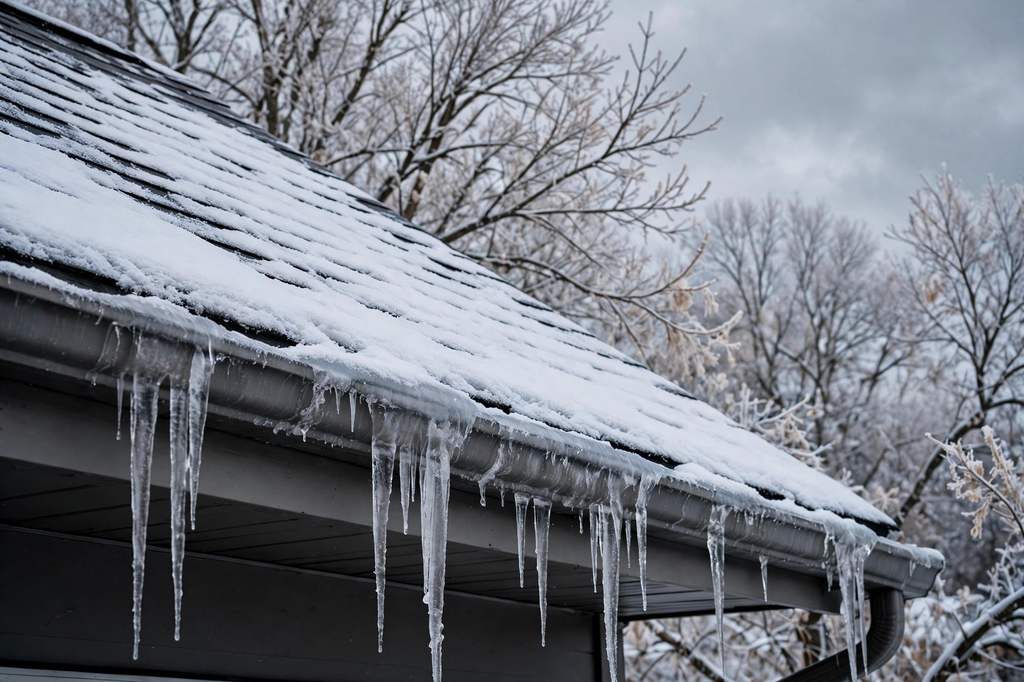
Urbandale commercial roofs take a specific beating. Hail events can bruise membrane across a whole roof field, and winter freeze-thaw cycles push water into every flashing failure and open seams that looked fine in October. The corridors named on this page are orientation only; no service-area claim is made.
Building stock matters too: the older retail strips along the corridors often have original modified bitumen under a newer layer, and that layered roof needs a different approach than a clean membrane deck. Ice and water shield goes in at the eaves, and drainage is sized for the flat lots where ponding is common.
When comparing commercial replacement options, ask each bidder how deck repair and drainage are handled, because that is where weak bids cut scope.
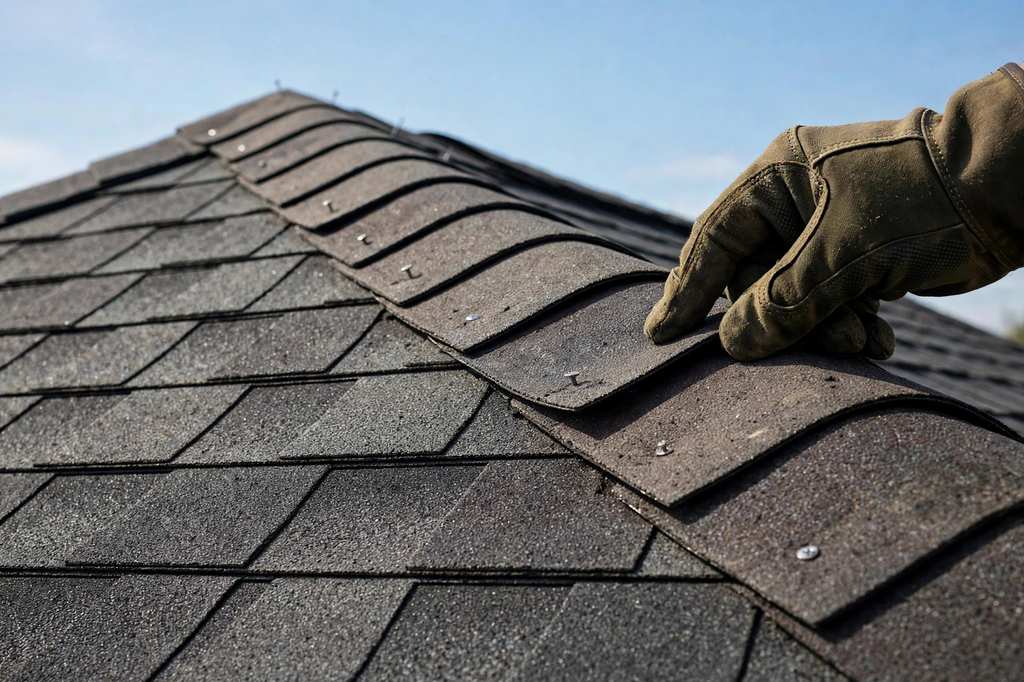
Before: A retail strip had an aging membrane roof with three active leaks, two failed curb flashings, and ponding water at the north drain.
After: Tear-off ran to the deck, rotted sheathing was replaced, tapered insulation and new membrane went in, and both flashings were rebuilt. The roof stayed dry through the hail seasons that followed.
Drain clearing and seam inspection twice a year keeps the new membrane on track.
Before: A warehouse took hail that bruised membrane across a large area and stripped granules from the edge metal. The owner needed documentation for the insurer.
After: The damage was photographed, a report keyed to the storm date was produced, and the bruised sections and edge metal were repaired. The interior stayed dry through the repair.
Post-storm inspections each hail season catch new damage before it reaches the deck.
Before: An office building in Downtown Urbandale had ponding water that deepened every year, and the membrane seams at the low spot were starting to open.
After: The clogged drains were cleared, a new drain went in at the low point, and tapered insulation corrected the pitch. Water leaves the roof after rain instead of standing.
Fall and spring drain checks keep the new drainage working and protect the membrane seams.
Most commercial roof failures start small and stay invisible until water is already inside. These are the problems seen most often on buildings here, and what happens if they sit.
A dry building, a documented roof, and a plan for the next storm.
A single active leak over a retail floor can shut down a department. The source is traced with a moisture meter and a chalk line, not guesswork, and the flashing failure is closed with a permanent fix where the weather allows.
Membranes fail at seams and penetrations long before the field membrane wears out. A twice-a-year walk-through that clears clogged gutters, reseals curb flashing, and checks termination bars protects the membrane already down.
Commercial re-roofs in Urbandale are governed by the City's adopted 2018 IBC, including wind and drainage provisions. Ice and water shield goes in at the eaves, code-correct flashing goes in at every curb, and ventilation is sized to the deck. The photo record goes with the job.
Tear-off, membrane welding, metal work, and gutter coil are handled on the same job, so the person who scoped the project is the person to call when a question comes up mid-install.
Clear records to keep and share.
Before, during, and after images by roof section
Written notes on deck, seams, and flashing
Each scope item listed separately
Visit dates and work performed
The pitch of the roof decides which system goes on it, and the wrong choice fails early.
Flat or nearly flat roofs using membrane systems
Pitched roofs using shingles, metal, or tile
Buildings with both flat additions and pitched sections
A mailing address can carry a neighboring city's name, and an Urbandale address can carry a neighboring ZIP code. A parcel record settles which city governs an address. Call and ask about a specific street.
The pages below hold roofing information for Urbandale plats and districts. Each page describes its area. Call and ask about a specific street.
This business publishes no prices on this site, and no commercial pricing is stated anywhere on it. A written scope lists the membrane, insulation, flashing, edge metal, tear-off, and disposal as separate items, so each part of the job is visible before anything is ordered.
No lifespan figure is published on this site. What shortens a membrane roof here is standing water, failed seams, and flashing left unrepaired through freeze-thaw. Walking the roof regularly and clearing drains after storms is what protects the membrane that is already down.
TPO suits most low-slope decks, EPDM suits large simple decks, and standing seam metal suits steeper commercial roofs. The match depends on the deck, the pitch, the insulation, and the drainage. No single system is presented as the right choice for every building.
Periodic walk-throughs can be arranged: drains and gutters cleared, seams inspected, flashing resealed, and a written condition report with photos after each visit. Each visit is scoped in writing, and no price is published on this site.
Related pages from the services list.
Call Rocc Solid Construction at (641) 219-5108 to arrange a roof inspection, see the photos, and get a written scope. The listed hours are Open 24 hours, every day.
Call (641) 219-5108 to talk about a roofing question. The office is at 3815 109th St, Urbandale, IA 50322, United States, and the listed hours are Open 24 hours, every day.