For Homes
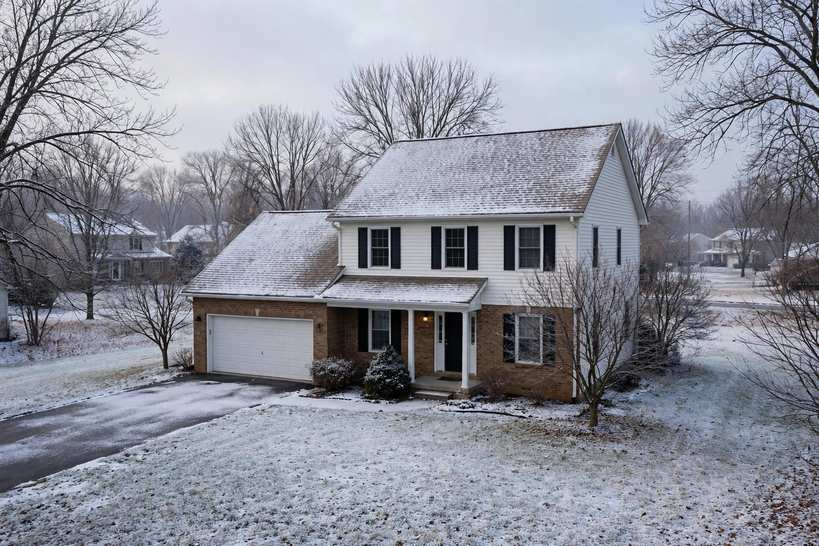
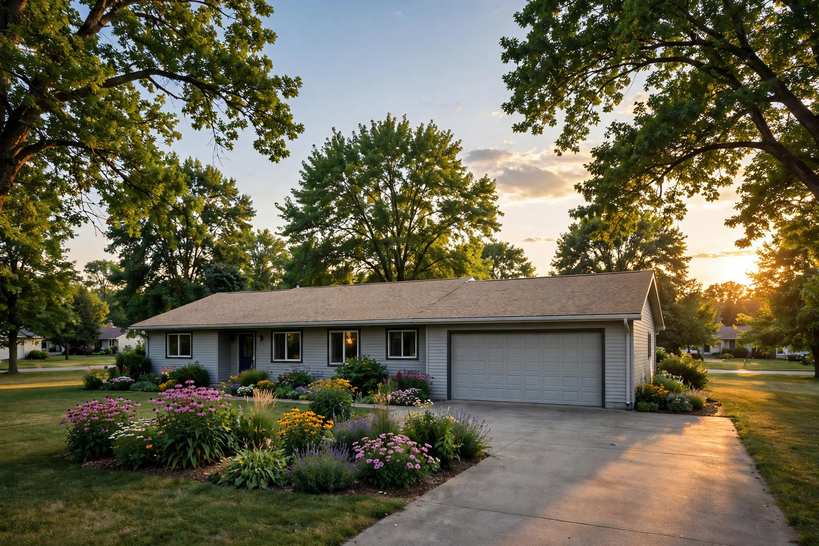
Homes with flat porch, garage, or addition roofs need drainage that works through freeze-thaw. The deck is inspected and the flashing detailed so the membrane drains.
- Garage roof ponding
- Porch skylight leaks
- Addition roof seams
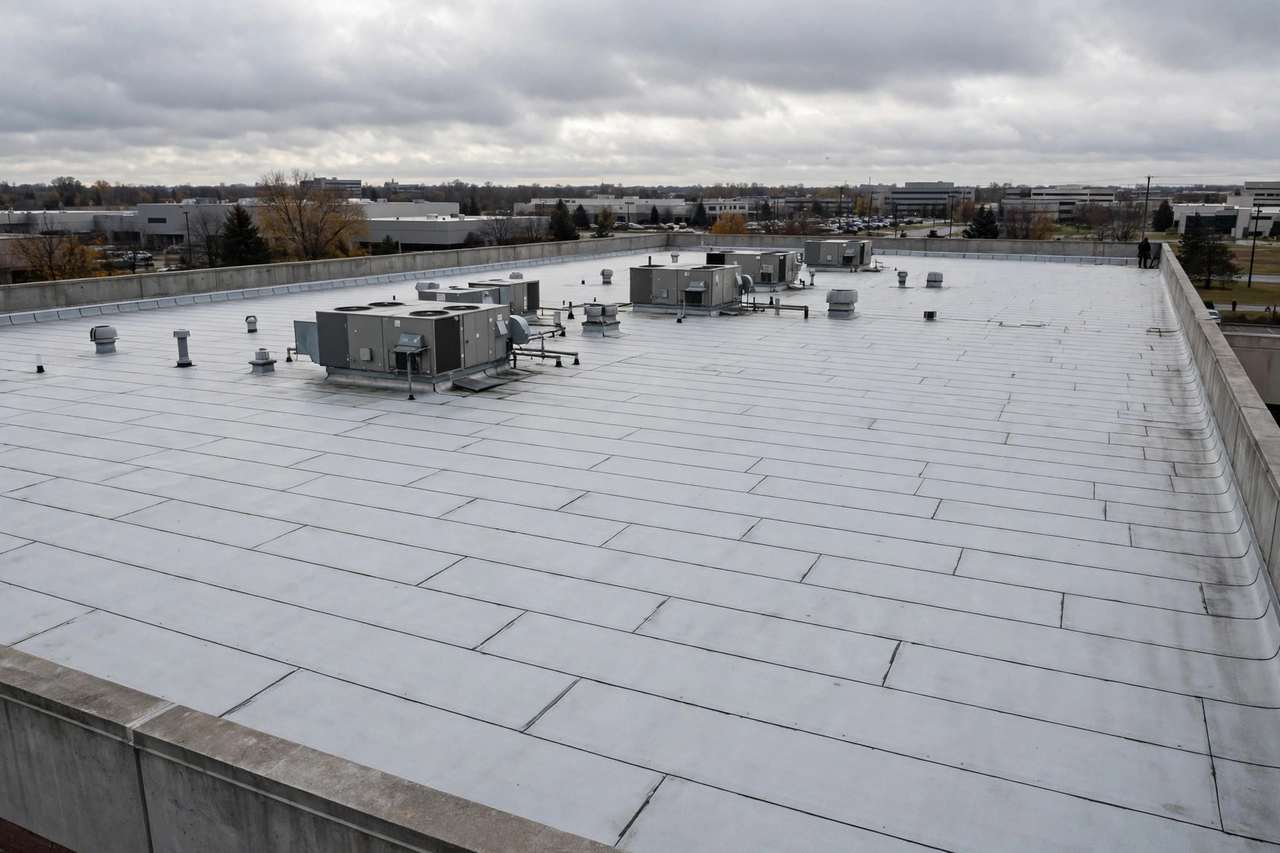
Flat roof repair Urbandale property owners need covers two audiences, signposted separately on this page: residential low-slope roofs over porches, garages, and additions, and commercial low-slope decks. Both use the same membrane systems — TPO, EPDM, and modified bitumen — sealed at every edge, seam, and penetration so water sheds to the drains.
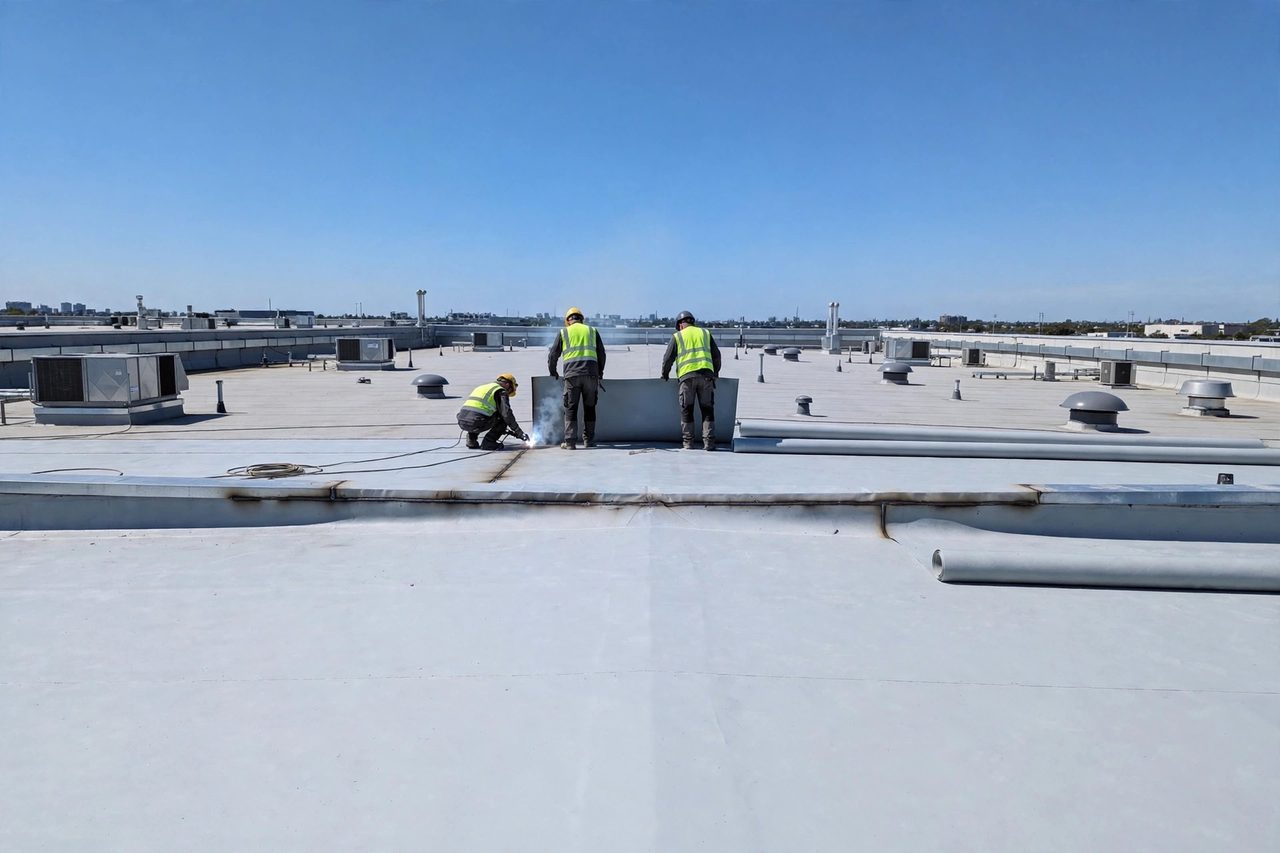 Drain checkSeam probeMoisture scan
A flat roofing scope covers the work below. What changes between jobs is the membrane type, the amount of decking repair, and whether tapered insulation is added to correct drainage. Anything outside the scope is listed before work starts.
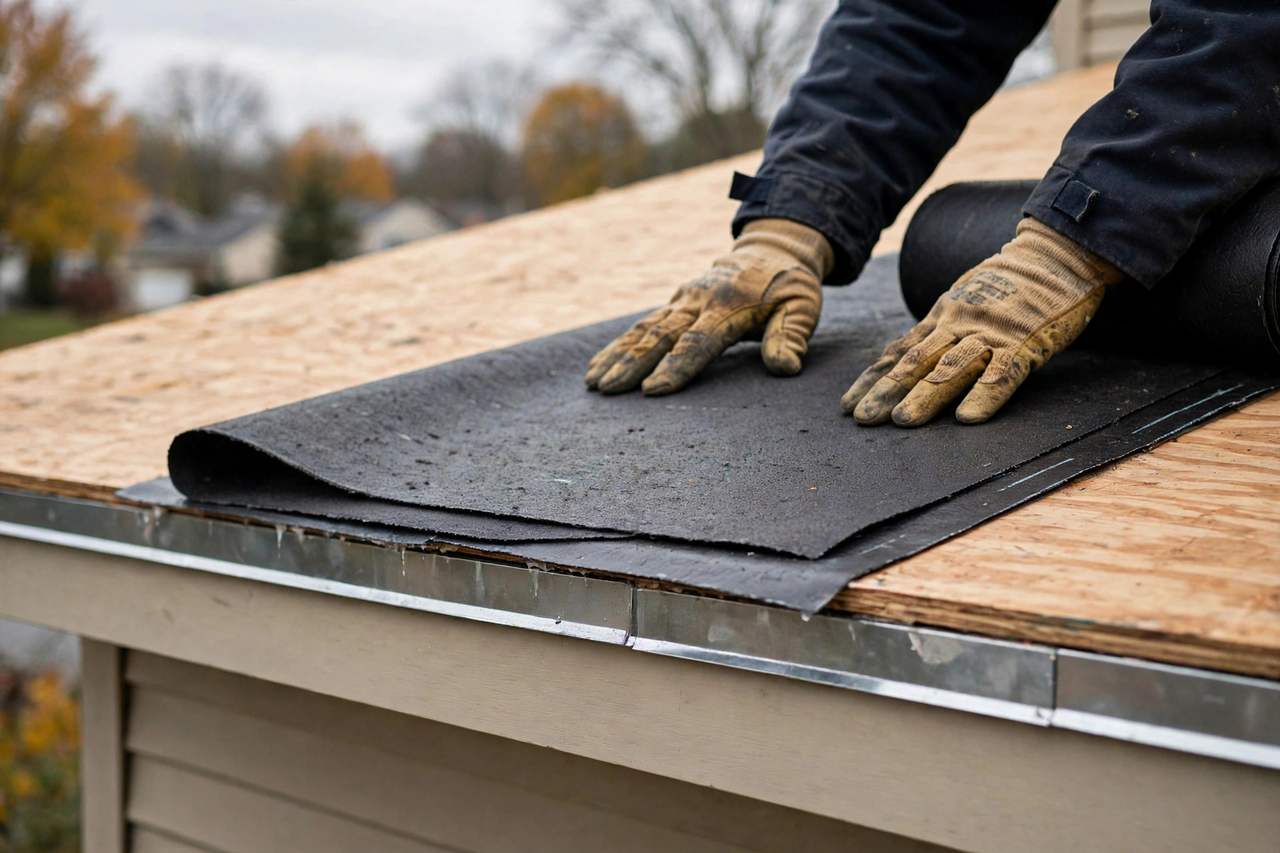
The old membrane and insulation come off down to the deck, and every layer is hauled away. On multi-layer roofs this can mean more than one pass, and the deck is checked for soft spots as each layer comes up.
Damaged or delaminated sheathing is replaced before the new membrane goes down. New decking is fastened to the framing, and the surface is checked flat enough for the system going on.
Slope is built toward the drains with tapered insulation so water leaves the roof instead of standing. Correct slope is what keeps a membrane draining.
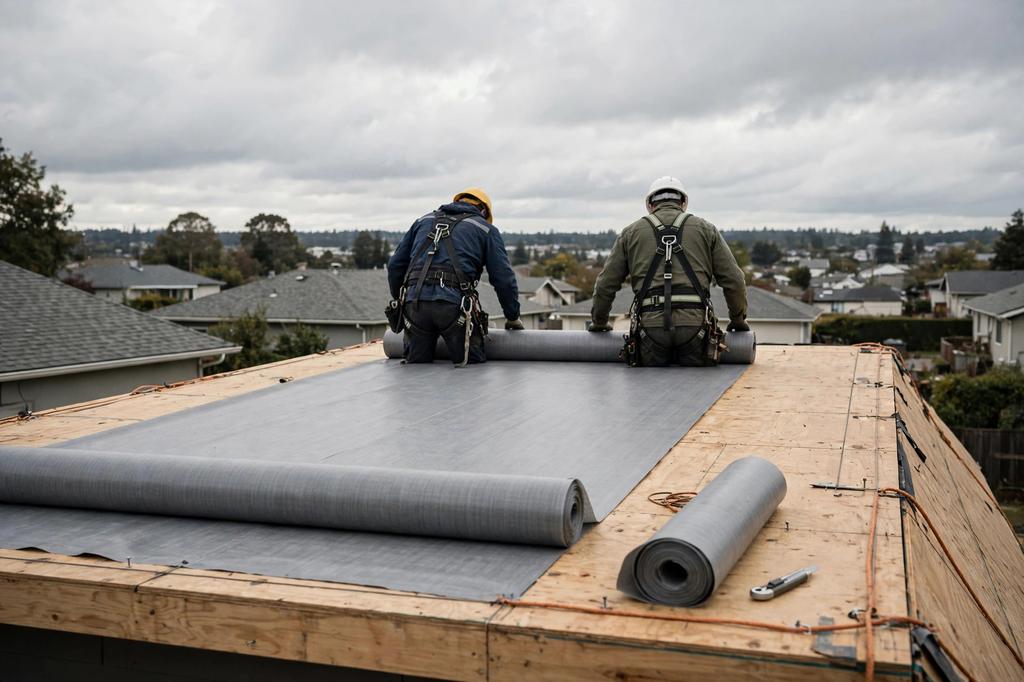
TPO, EPDM, or modified bitumen goes down fully adhered or mechanically fastened. Every seam is welded or rolled and then hand-checked before the next section starts.
New flashing at walls, curbs, skylights, and penetrations, plus rebuilt drain strainers and scuppers. Each drain is checked before the job is closed out.
Magnet sweep, debris haul-off, and a photo record of the finished roof and every detail sealed.
Residential low-slope work and commercial low-slope work are described separately below. The systems overlap; the access, the phasing, and the records differ.
Homes with flat porch, garage, or addition roofs need drainage that works through freeze-thaw. The deck is inspected and the flashing detailed so the membrane drains.
Commercial decks take foot traffic, equipment, and tenant needs into account. Work is phased, and every detail is documented for the property file. Larger properties are described on the commercial roofing page.
A plain-language look at what flat roofing involves and when it is needed.
See how it worksFlat roofing in Urbandale means installing a continuous, fully adhered or mechanically fastened membrane over a low-slope deck, then sealing every penetration, edge, and seam so water sheds to the drains. There are no shingles to overlap and no slope to rely on, so the membrane, the insulation board beneath it, and the flashing details do all the work. TPO membrane, EPDM membrane, and modified bitumen are installed, each paired with underlayment, tapered insulation, and ice barrier at the perimeter where the detail calls for it.
Most low-slope roofs fail at the details, not the field. A clogged drain or a failed flashing collar around a vent lets water back up under the membrane, and by the time a stain shows on the ceiling the decking may already be soft. The flat versus pitched post compares the two roof forms for a home, and the winter preparation post covers drains and seams before freeze-up.
A flat roof is only as good as its drainage and its flashing details.
A job follows the same sequence, whether it is a small porch or a large commercial deck.
The roof is walked, a moisture meter runs across the field, and every penetration, drain, and edge is checked. Photos of what was found go with a written scope, and whether a repair or a replacement is the right call is stated plainly.
The old membrane and insulation come off down to the deck, then soft spots, damaged sheathing, and failed fasteners are checked. Delaminated decking is replaced before anything new goes down.
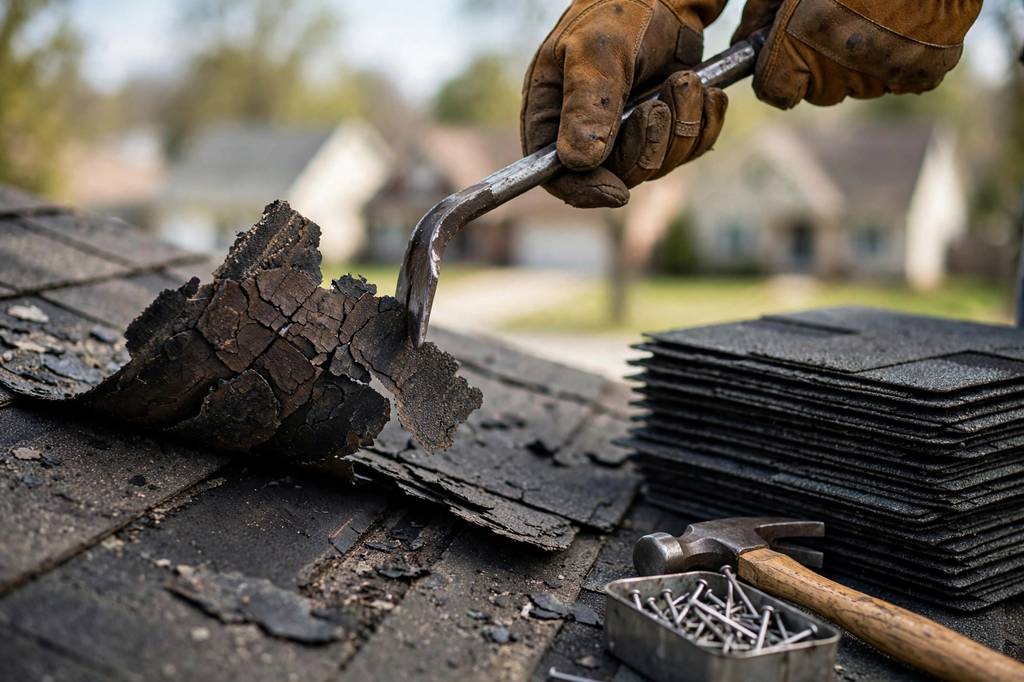
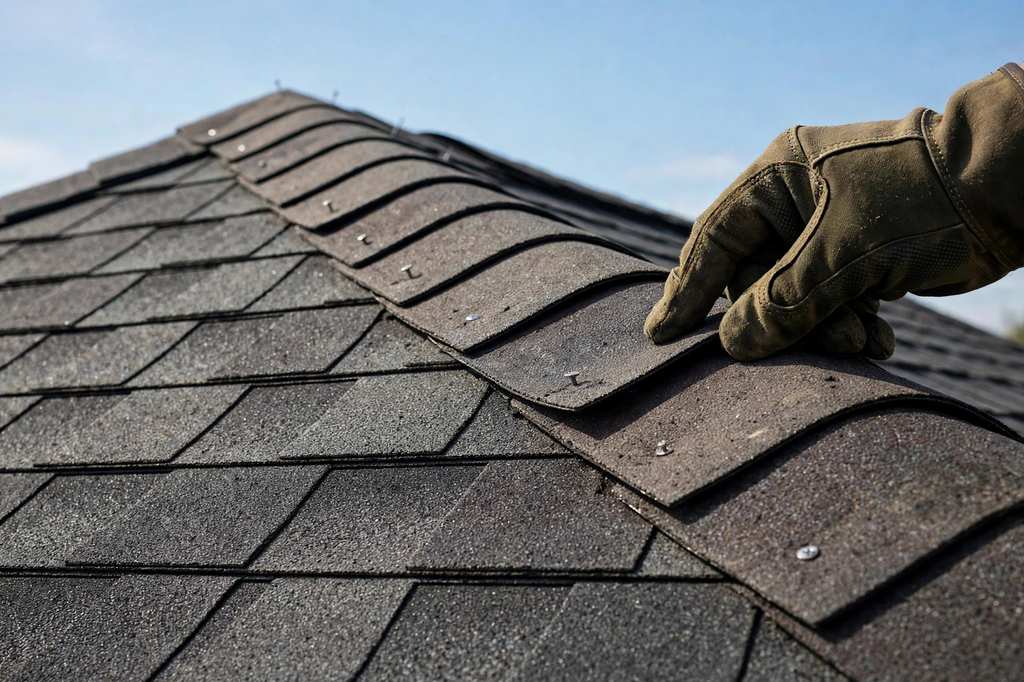
Tapered insulation is laid to build slope toward the drains, then the membrane is installed. TPO and EPDM are fully adhered or mechanically fastened; modified bitumen is torch-applied or cold-process. Seams are hot-air welded or rolled, and every one is checked by hand before moving on.
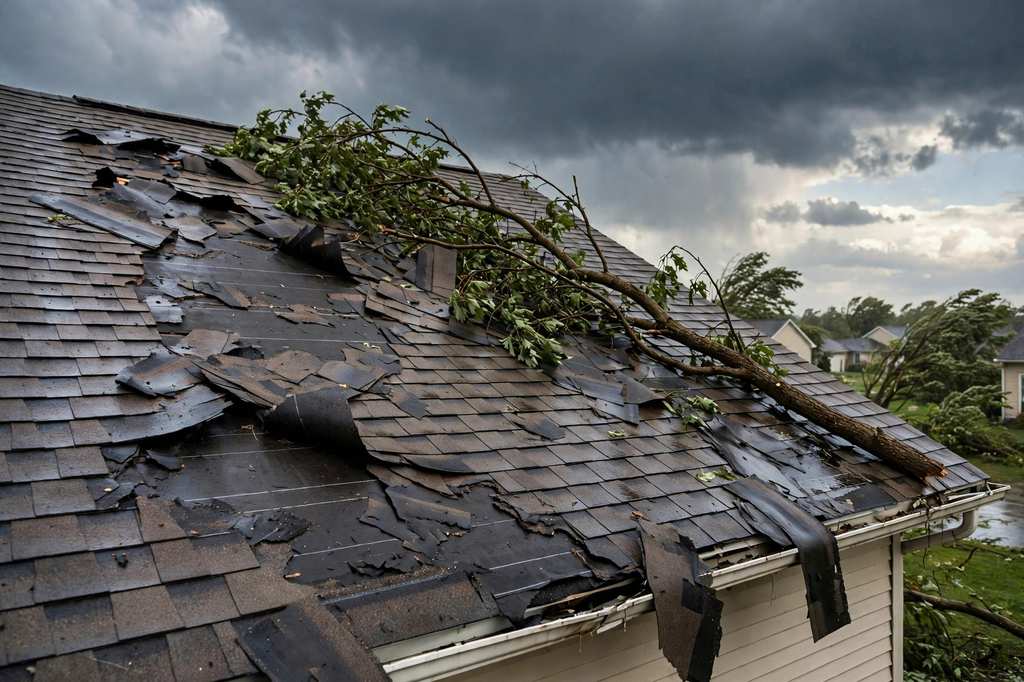
This is where most flat roofs leak, so the time goes here. New flashing goes in at walls, curbs, and penetrations, drain strainers are rebuilt, and terminations are sealed with a termination bar and lap sealant. Skylight curbs and chimney flashing get the same treatment, and each drain is checked before leaving.
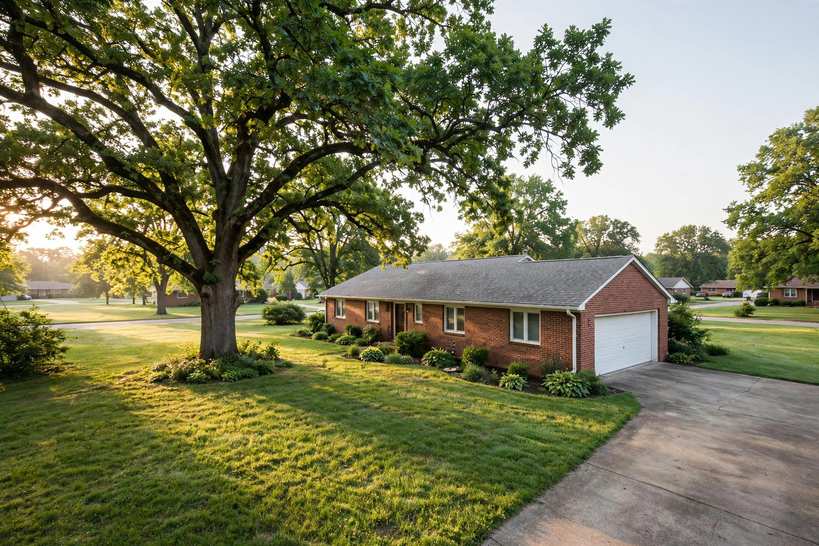
The driveway and lawn are magnet-swept, every scrap of old membrane is hauled off, and the roof is walked. A photo record of the finished install and the details sealed goes with the job.
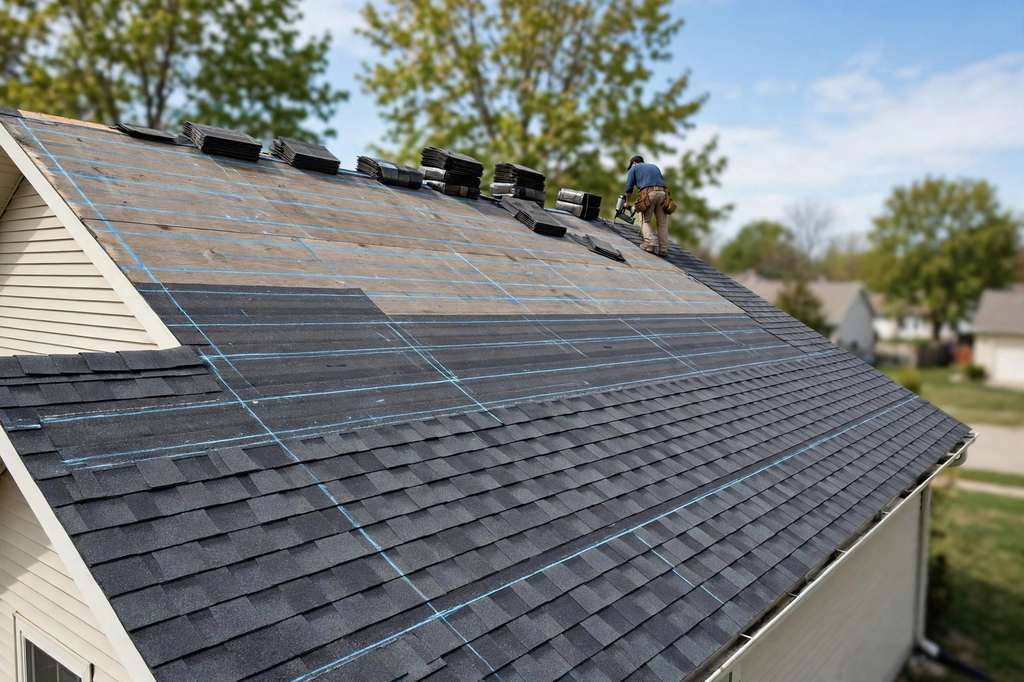
Move across a circle, or focus it and press Enter, for an illustrative thermal view of the photograph.
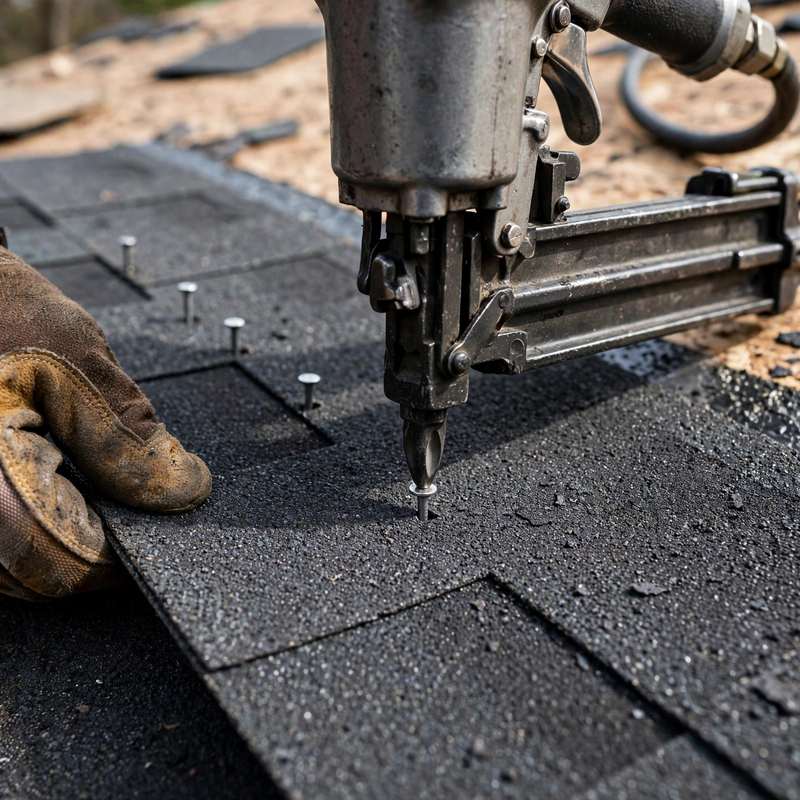
Scans the membrane and insulation for trapped water before a repair or replacement is scoped, showing whether a section can be saved.

Fastens new decking and insulation board consistently, which matters on larger commercial decks.
Welds TPO seams into a continuous sheet. Every seam is hand-checked after welding to confirm the bond.

Used for tear-off, cutting membrane sections, and opening up flashing details without damaging the surrounding roof.
Marks seam and insulation board layout so the membrane runs straight and laps are consistent across the deck.
Thermal views are illustrative, generated from the photographs.
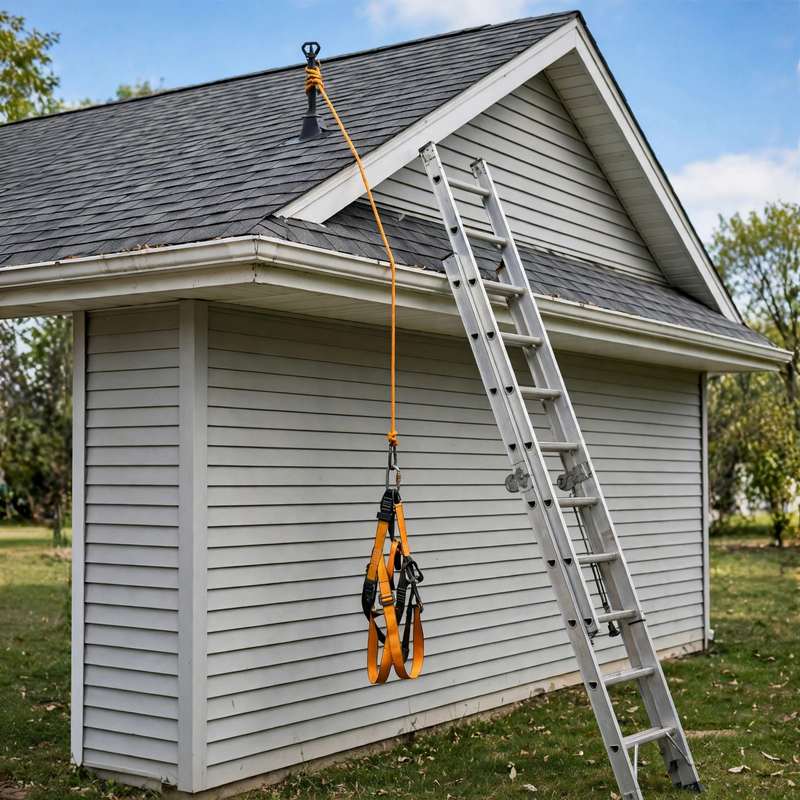
Harness and ladder setup for commercial decks and stable access on residential low-slope roofs.
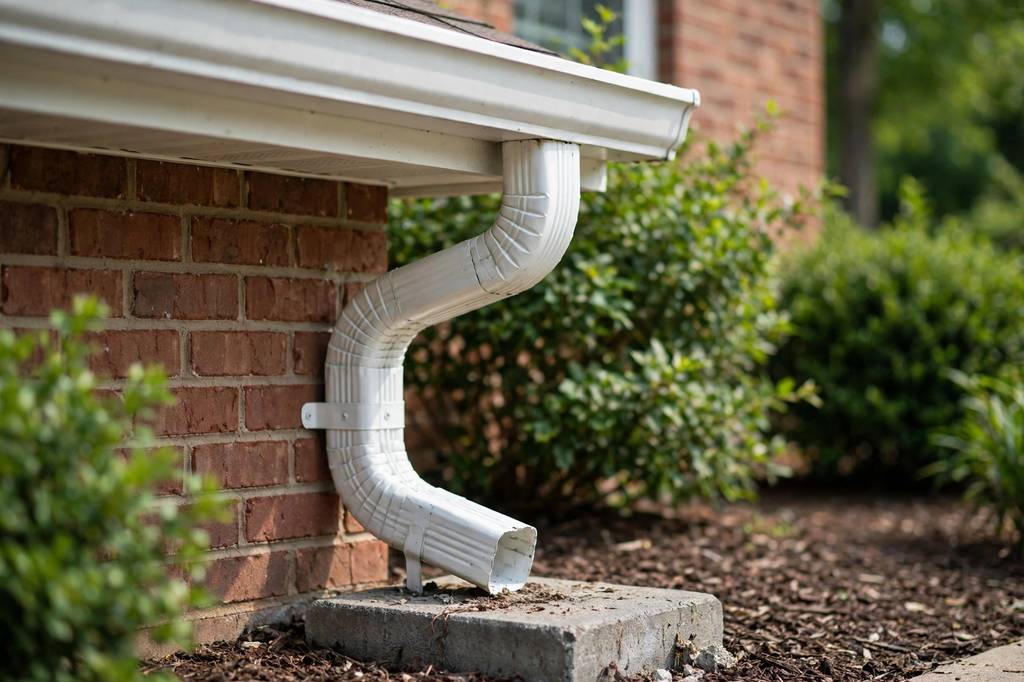
Fabricated to match the roof area, so runoff leaves the membrane and clears the foundation.
The membrane is bonded to the insulation with adhesive across the full field, which limits wind uplift at the perimeter and gives a clean, flat finish.
Fasteners and plates secure the membrane and insulation where adhesion is not practical, such as over certain deck types. Fasteners are spaced to the wind zone and every plate is covered with the membrane lap.
Tapered insulation boards are laid out to build slope toward drains and scuppers. This is the method that addresses ponding rather than hiding it, designed per roof rather than from a stock layout.
Every wall, curb, and penetration gets new flashing tied into the membrane with a termination bar and lap sealant.
A garage roof is ponding at the back corner and leaking onto the floor after heavy rain.
The old membrane is torn off, damaged sheathing at the low corner is replaced, tapered insulation corrects the pitch, and a new membrane goes on with a rebuilt drain.
Outcome: The garage stays dry, and the corrected slope means water clears after a storm instead of standing.
A retail building has a membrane roof with a lifted seam over a tenant space, and the repair must not close the store.
The failed seam is cut out, insulation is dried, a new lap is welded in, and the edge termination is resecured, working in sections so the tenant keeps operating.
Outcome: The leak is addressed, the tenant stays open, and a photo record goes to the property file.
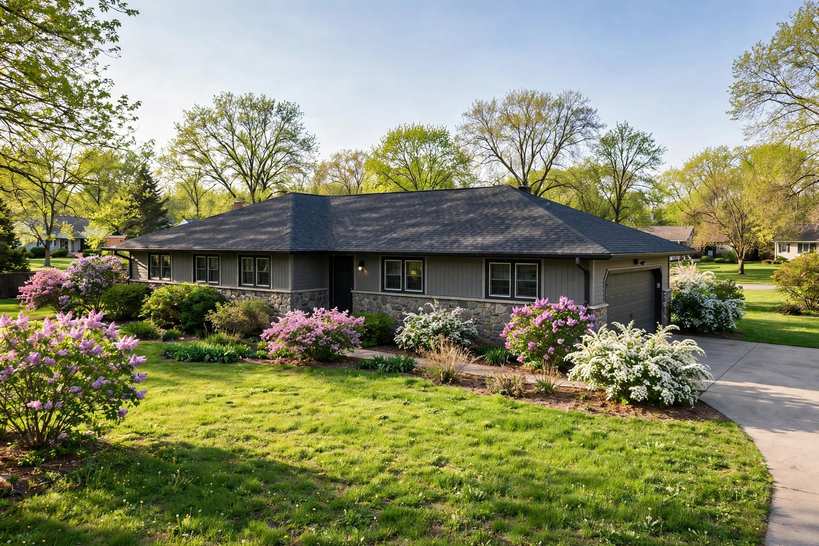
A porch roof has a skylight that has leaked despite repeated sealant patches.
The skylight curb is rebuilt, new flashing goes in, the membrane is tied into it properly, and the surrounding field is checked for water damage.
Outcome: The ceiling stays dry through freeze-thaw cycles, and the repair addresses the curb rather than the sealant.
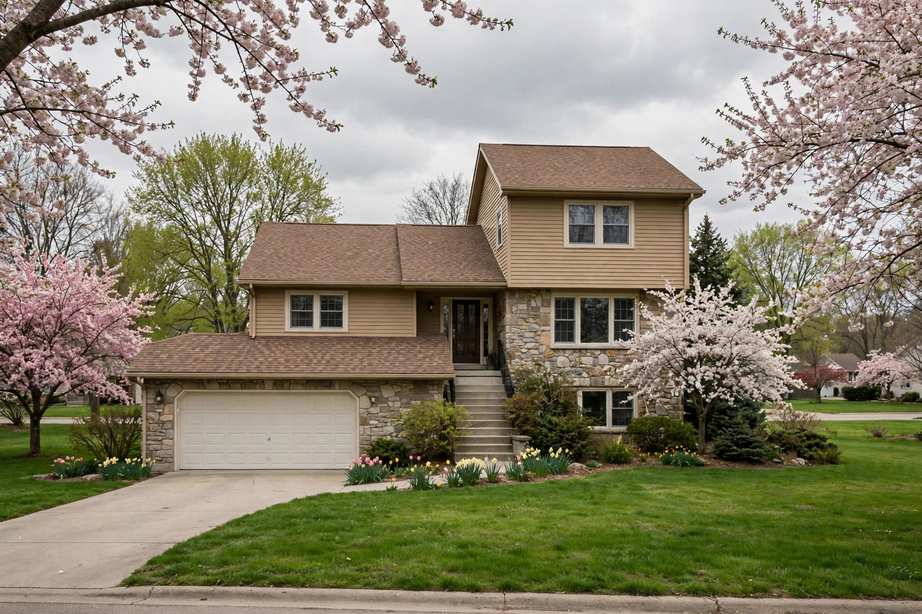
A commercial property needs a full flat roof replacement, and the owner asks how the building will be affected.
Tear-off and install are phased, materials are staged to keep entrances clear, and work is arranged around business hours. The phasing is described in the written scope.
Outcome: A new membrane system goes on with a photo record and a maintenance description for the property file.
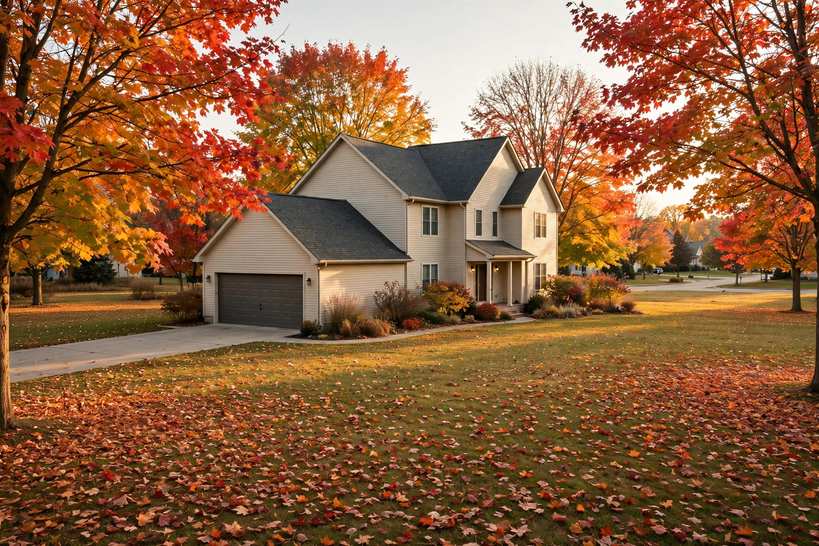
A sale inspection flags a flat roof over an addition with a soft spot near the drain.
The deck is inspected, soft sheathing is replaced, the drain detail is rebuilt, and a new membrane section goes over the addition.
Outcome: The repair is documented, with a record available for the closing file.
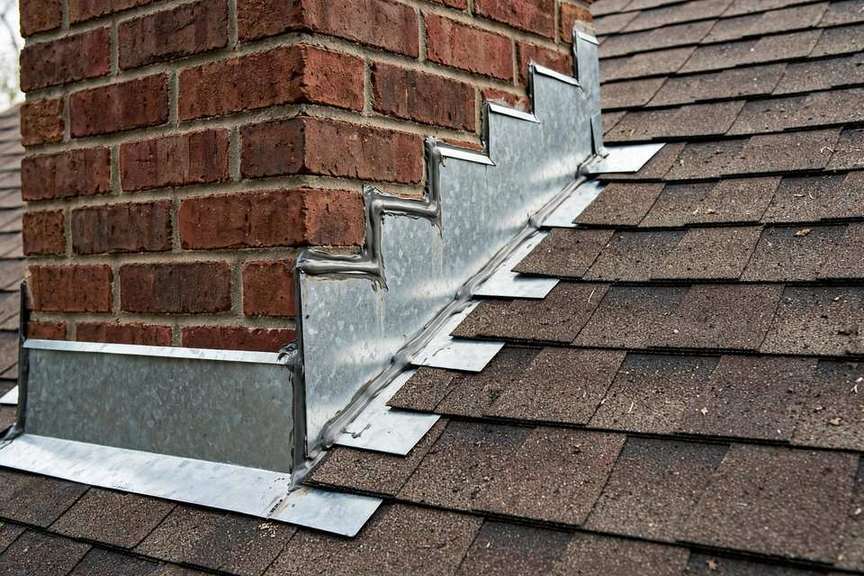
Flat roofs in this city take freeze-thaw cycling from November through March, heavy spring rain, and summer hail. That cycle is hard on seams and flashing, which is why every seam is hand-checked and every drain is tested. The 2018 code editions adopted by the City govern commercial work through the 2018 IBC, including its roofing chapter.
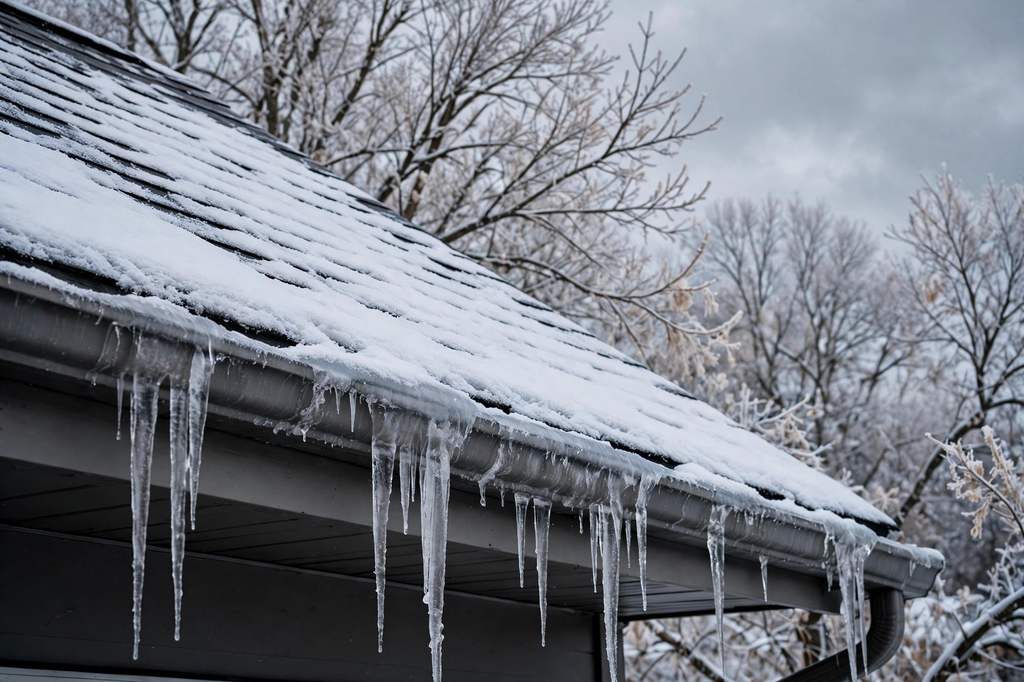
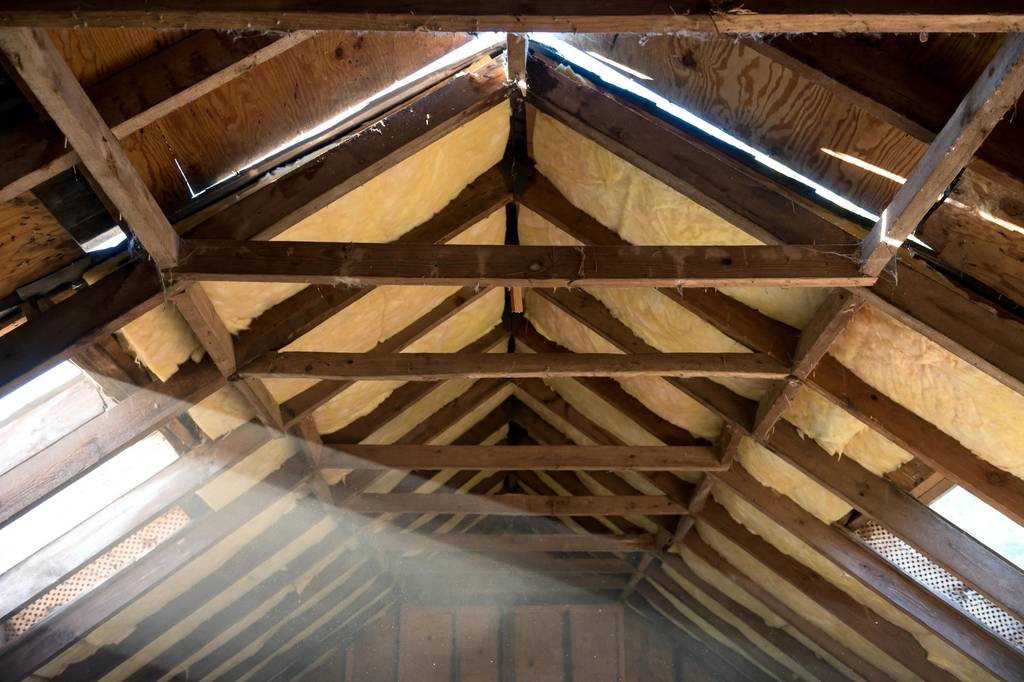
The building stock mixes mid-century homes with flat porch and garage roofs, commercial strips, and older buildings near Downtown Urbandale where parapets and built-in gutters need careful detailing. Snow and ice are the other local factor: ice dams form at the perimeter when attic heat escapes, so ventilation and insulation are checked while the roof is being worked on.
A membrane suited to this city is one detailed for cold, not just for sun. Drain pitch, seam condition, and flashing terminations are checked at inspection, and ponding is addressed with slope rather than sealant.
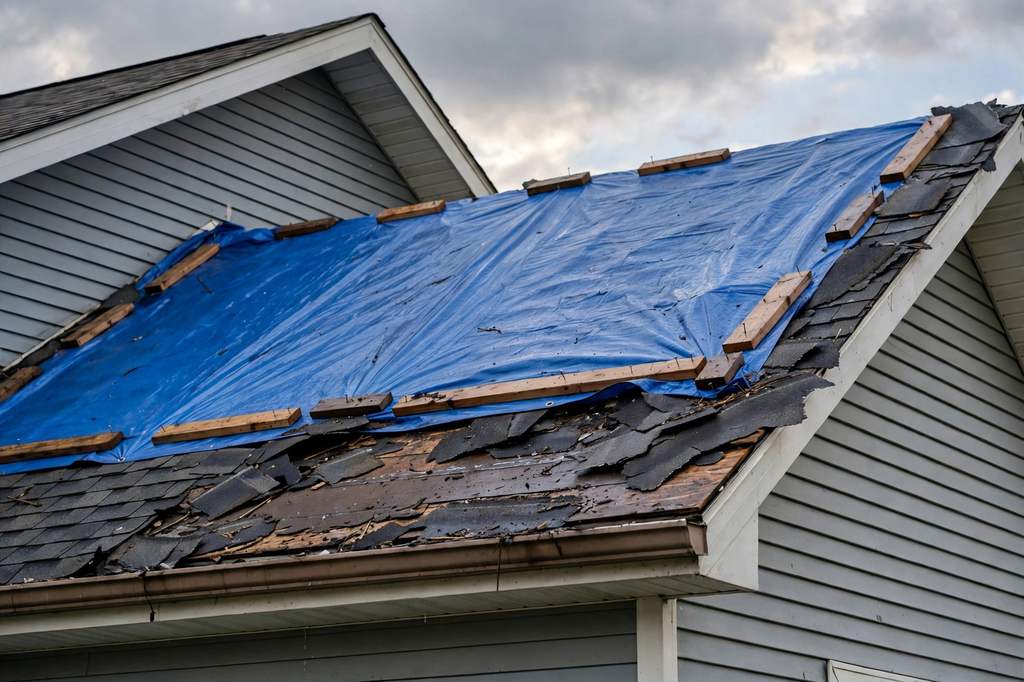
Before: A modified bitumen roof ponded at the back corner after every rain, and the ceiling showed a stain. The insulation under the low corner was saturated and the sheathing had started to delaminate.
After: The roof is torn off to the deck, damaged sheathing is replaced, tapered insulation corrects the pitch, and a fully adhered membrane goes on with a rebuilt drain. Water clears after a storm instead of standing.
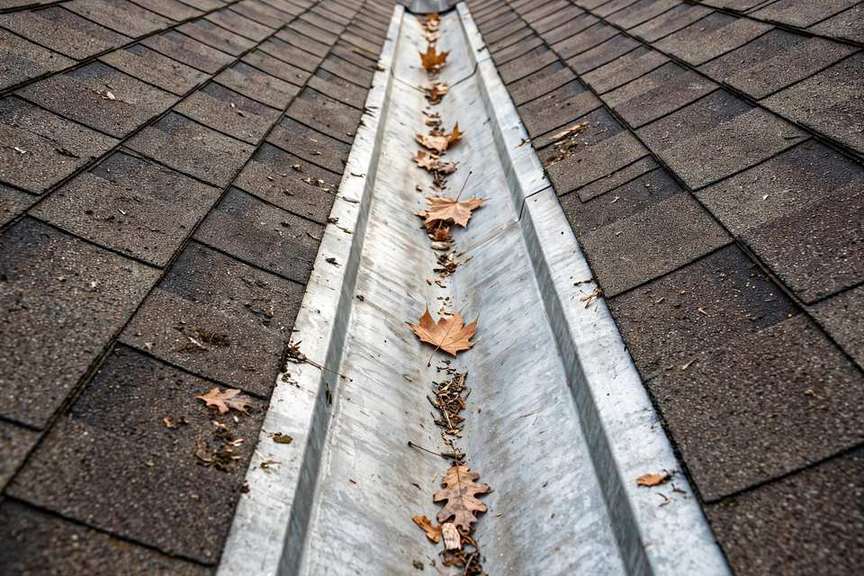
Clear the drain strainer regularly and check seams. Keeping the drain clear is what protects the corrected slope.
Before: A lifted seam over a tenant space leaked during every heavy rain, and previous sealant patches had failed. The property manager needed the repair without closing the store.
After: The failed seam is cut out, insulation is dried, a new lap is welded in, and the edge termination is resecured. The tenant stays open, and the leak is addressed.
Regular drain and seam checks keep the rest of the membrane sound. Perimeter lift is flagged before it becomes a leak.
Before: A skylight on a flat porch roof had leaked for two winters. Sealant patches kept failing, and the drywall around the opening had started to stain.
After: The skylight curb is rebuilt, new flashing goes in, and the membrane is tied into it properly. The detail is checked before leaving.
Check the curb flashing each fall before the first freeze and keep the roof clear of debris around the skylight.
Low-slope roofs fail in predictable ways. The four below are the ones inspection looks for.
A dry building and a roof that clears water.
A welded membrane has seams that can be counted, compared with thousands of shingle tabs and nail penetrations. Fewer seams means fewer places for water to find a way in, and hot-air welded seams hold up to freeze-thaw cycling better than a patched-over surface.
When a flat roof takes damage, the affected section is cut out, insulation is dried, and a new patch is welded in. That is a section repair, not a full tear-off, and it keeps the rest of the membrane in service.
A low-slope roof covers less surface area than a steep pitched roof over the same footprint, and the work runs without staging shingle bundles. The scope is described in writing before work starts.
With drains, scuppers, and tapered insulation, the path water takes off the roof is controlled. That matters where spring melt and heavy rain arrive fast. Drains and downspouts are sized to the roof area so water does not stand after a storm.
Clear records to keep and share.
Before, during, and after images
What was done and where
Check notes per drain
Layout of welded seams
A single-ply membrane welded into a continuous sheet
A rubber single-ply membrane, often mechanically fastened
A rolled asphalt membrane, torch or cold applied
A mailing address can carry a neighboring city's name, and an Urbandale address can carry a neighboring ZIP code. A parcel record settles which city governs an address. Call and ask about a specific street.
The pages below hold roofing information for Urbandale plats and districts. Each page describes its area. Call and ask about a specific street.
This business publishes no prices on this site, and no Des Moines-specific flat-roof figure was located in the research, so none is stated here. A scope depends on tear-off layers, deck condition, drainage work, and parapet and curb detailing, all described in the written scope.
No lifespan figure is published on this site. Drainage is the variable that matters most: roofs that hold standing water lose service life, while roofs with clean drains and correct slope hold up better. Drain pitch and insulation are checked during inspection.
Yes, for inspection and maintenance, with care. Stay on the field and off the seams in cold weather, when the membrane stiffens and foot traffic can stress welded seams and flashing. Use a ladder with a stabilizer rather than leaning a ladder against the gutter, and never walk a roof that is ponding or covered in ice.
TPO, EPDM, and modified bitumen are the three systems described on this page. The match depends on the deck, the drainage, and the access. TPO seams are hot-air welded, EPDM suits simple decks, and modified bitumen fits porches and additions. No single system is presented as the right choice for every roof.
Related pages from the services list.
Call Rocc Solid Construction at (641) 219-5108 to describe the roof and ask about inspection and a written scope. The listed hours are Open 24 hours, every day.
Call (641) 219-5108 to talk about a roofing question. The office is at 3815 109th St, Urbandale, IA 50322, United States, and the listed hours are Open 24 hours, every day.